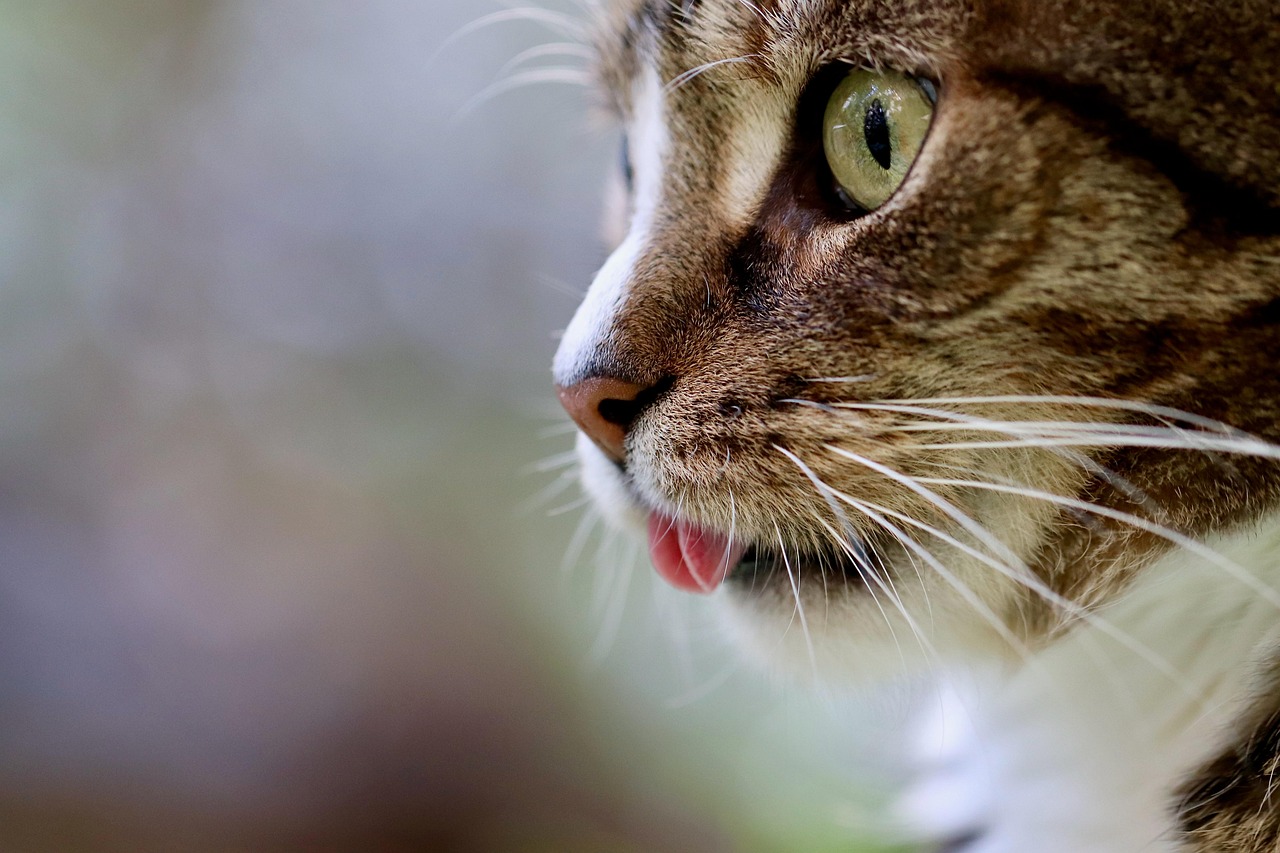

Understanding Cat Behavior During Extended Trips
Traveling with your cat, especially for an extended period, can be a rewarding yet challenging experience. Cats are creatures of habit, and their behavior often reflects their environment. When embarking on long-term travel, it’s essential to ensure a smooth transition for your feline friend. A stable environment helps reduce anxiety, allowing your cat to adjust to new spaces. Additionally, familiarize them with carriers early to alleviate stress during travel. Setting up a temporary space in your accommodation can also help them feel secure. Providing familiar items like their bed, toys, or blankets assists with this transition. Routine is another vital aspect; maintaining their feeding and play schedule is crucial for their comfort. Remember, every cat has unique preferences. Some may appreciate a quiet area, while others might enjoy observing everything happening around them. Understand your cat’s temperament and adjust your travel plans accordingly. Frequent stops in safe, pet-friendly areas can help your cat stretch and explore without feeling confined. Overall, planning and awareness of your cat’s needs can ensure an enjoyable journey for both of you, leading to wonderful memories and stronger bonds.
Before heading out on your long-term adventure, assessing your cat’s temperament is crucial for a successful journey. Some cats are naturally more adventurous, while others can be easily overwhelmed by new experiences. Evaluating your pet’s behavior helps predict potential challenges during your travels. For instance, social cats may enjoy meeting new people and interacting with other animals, while shy ones may need extra care to feel secure. In addition, familiarizing your cat with being in a carrier ahead of time can significantly reduce travel-related stress. Gradually increasing the time they spend in the carrier can help desensitize them, making it less daunting. Pack essentials like food, water, and their favorite toys when traveling. Also, consider a portable litter box for their convenience. Cats can be sensitive to abrupt changes, including diet shifts. Therefore, maintaining consistent feeding practices is vital. Before leaving, ensure your cat is up-to-date on vaccinations and flea control, as you may encounter various environments. Lastly, don’t forget to research pet-friendly accommodations and transportation options to ensure a stress-free experience. Your bond will strengthen with patience and understanding, making it well worth the effort.
Behavioral Signs of Stress in Cats
As you travel with your cat, being aware of potential stress signs is essential for their well-being. Cats express stress through various behaviors, such as hiding, excessive grooming, or vocalizing more than usual. Observe your cat during the journey to identify any changes in habits. For instance, if they start to refuse food, it could indicate they feel uncomfortable or anxious about their new environment. Another sign is restless pacing or attempts to escape from their carrier, which may suggest they need some time to adjust. Additionally, some cats might display destructive behaviors due to stress, like scratching or knocking items over. It’s important to remain attentive to your pet’s needs and provide comfort as required. Create a designated safe space where your cat can retreat and feel secure away from overwhelming stimuli. Offering soothing words and gentle petting can also reassure them during difficult moments. If their stress escalates, consult your veterinarian for guidance. They may suggest pheromone products or calming supplements to ease your cat’s anxiety during travel. Early identification and intervention can significantly improve their travel experience.
One way to make your long-term travel experience seamless for your cat is by including them in your routine. Cats thrive on routine and predictability, so maintaining similar daily patterns while traveling helps reduce anxiety. Plan consistent feeding times based on their regular schedule and allow enough time for daily play sessions, which are vital for mental stimulation and bonding. Engaging with your feline friend during leisure time can strengthen your relationship and create positive associations with new environments. Utilize interactive toys or a simple piece of string to keep them entertained during downtime. Additionally, try to introduce short play sessions in unfamiliar places to help them acclimate to new surroundings. If possible, create a travel itinerary that includes regular stops, allowing your cat to stretch and explore without getting restless. Keeping their litter box clean during long trips is equally important, as this helps maintain hygiene and comfort. If necessary, schedule breaks at pet-friendly parks where they can exercise and explore safely. A well-planned routine benefits both you and your cat, leading to a more enjoyable travel adventure.
Managing Expectations and Preparing for the Unknown
Traveling with your cat for an extended time may come with unexpected challenges, so managing expectations is essential. Understand that your feline companion may not adapt as quickly as you hope when encountering new environments. Some days may be smooth, while others might necessitate more patience. Consequently, have realistic expectations about their behavior and comfort. Preparing for various scenarios during your travels can help address potential issues before they arise. Always have a supply of your cat’s preferred food, clean litter, and essentials on hand for unforeseen situations. Pack extra items, such as a blanket or their favorite toy, to provide comfort and reassurance. It’s also wise to have medical records accessible in case of emergencies, especially when traveling to unfamiliar territory. Ensure that you have a backup plan should you encounter difficulties, such as pet-friendly accommodations or alternative routes. Consult other travelers or pet owners for insights related to travel experiences, as their advice may prove invaluable. By staying flexible and open-minded, you enhance your cat’s overall experience and ensure a successful journey together.
As you embark on your long-term travel adventure, prioritize your cat’s safety and well-being at every step. Securely fasten their carrier during car trips, ensuring it won’t slide or tip over. This helps create a secure environment where they feel safe. Carry a leash and harness for stops, allowing them to explore safely on a leash. Familiarize your cat with wearing a harness and leash before embarking on your journey. By doing so, you can introduce them gradually, minimizing stress. Frequent breaks are essential during long drives; these stops provide opportunities for your cat to stretch their legs and relieve themselves. If flying with your cat, understand carrier regulations and book pet-friendly accommodations in advance. Learn about local pet-related laws and trends to ensure compliance and enhance travel enjoyment. Moreover, consider scheduling vet visits before your trip to obtain necessary health certificates and preventative treatments against fleas or ticks. Being informed and prepared will alleviate many potential travel challenges. A little planning goes a long way toward crafting an enriching journey, paving the way for shared experiences and cherished memories.
Returning Home After Long Trips
After an extended journey, reintroducing your cat to their home is crucial for their comfort and adjustment. Just as you carefully prepared them for travel, be mindful of their needs upon returning. They may display signs of confusion or temporary distress after being away. Allow your cat time to explore their familiar space again at their own pace. Providing familiar comforts can help reintegrate them more easily, such as their bedding or favorite toys. Gradually reestablish routines at home regarding feeding times, play sessions, and litter box cleaning to offer consistency. Some cats may become clingy or seek extra affection after a prolonged absence, so be prepared to provide them with comfort and companionship. Create a cozy environment by minimizing household disturbances, ensuring that your cat feels safe and secure during the transition. Monitor their behavior closely for any ongoing signs of stress, such as not eating or excessive grooming. If these behaviors persist, consult your veterinarian for advice on managing anxiety. Through gradual reintroduction, you can help your cat feel at ease and promote a smooth transition back to their home life.
In summary, understanding cat behavior during long-term travel is vital for a positive experience for both you and your feline companion. By recognizing their needs and mannerisms, you cultivate a healthy relationship and create memorable experiences together. Awareness of potential stress signals leads to quicker interventions, enhancing your cat’s comfort. Maintain routines while traveling and allow flexibility to adjust to their demands. Implementing proper planning ensures you have everything needed for a smooth journey. Keep safety the top priority throughout your travels by securing carriers and preparing for every potential scenario. As outlined above, gradual acclimatization is essential when transitioning to new environments, whether during travel or upon returning home. Lastly, the bond you share with your cat can be deepened through patience and understanding during the journey. Traveling with your cat can become a rewarding experience filled with challenges and joys. By embracing these tips, you’ll foster care, curiosity, and companionship in your furry friend, thus creating lasting memories. Planning and thorough preparation will empower you to venture into adventures confidently and explore new destinations together, all while ensuring your cat remains happy and healthy.