
Understanding Ear Mites in Cats: A Complete Guide
Ear mites are microscopic parasites that can infect cats, leading to discomfort or serious ear conditions if untreated. These pests are highly contagious and can easily spread between pets, making awareness crucial for pet owners. Commonly, ear mites cause itching, inflammation, and excessive wax. If your cat shakes its head often or scratches its ears, it may be experiencing an infection. Diagnosing ear mite infestations typically requires a visit to your veterinarian, who will perform a physical examination, sometimes taking samples from the ear and examining them under a microscope. Treatment for ear mites can vary, but many effective topical medications are available. It’s important to follow the full treatment regimen prescribed by your vet. Supervision of any potential side effects or adverse reactions is crucial during treatment. In severe cases, vet intervention may require additional care. Finally, cleaning your cat’s environment is essential to prevent reinfestation. This means regularly washing bedding and vacuuming areas your cat frequents. Consistently monitoring your cat’s ears helps catch problems early, ensuring happy and healthy ears for your feline friend.
Understanding symptoms of ear mites can significantly improve your cat’s health and aid prevention. Typical signs include ear scratching, head shaking, and a distinctive dark discharge that may resemble coffee grounds. Additionally, you might notice a foul odor coming out from the ears which is indicative of a significant infestation. Your cat may exhibit sensitivity or irritation in areas around the ears, particularly if mites have caused inflammation. Early recognition is vital as untreated mites can lead to more severe ear infections or even permanent damage. Thus, it is crucial to observe any changes in behavior and grooming habits closely. If your cat suddenly becomes more irritable or starts to cry while interacting, these could be signs of discomfort due to ear mites. Regular ear checks and cleaning can facilitate early detection. Use a gentle ear cleaner recommended by your vet to maintain ear hygiene. It’s also advisable to keep your living environment clean and free of contaminants. Cats that spend time outdoors are particularly susceptible to these parasites, so extra diligence is required for outdoor cats. Lipid-based treatments can soothe irritation and help eradicate mites promptly.
Treatment Methods for Ear Mites
Once diagnosed, it’s essential to treat ear mites effectively, as they can lead to further complications. Numerous effective treatments exist, including topical insecticides and medicated ear drops that eliminate mites. Regular veterinary visits will allow for accurate assessment and prescription of the most suitable treatment options for your pet. Follow-up appointments may be necessary to ensure the infection is completely resolved. Appropriate treatment usually involves a series of applications over several days to ensure all eggs and adult mites are exterminated. It’s also important to carefully follow the dosage instructions given by your veterinarian to facilitate effective treatment. If you notice no improvement after the treatment course, consult your veterinarian for additional assistance or alternate medication options. Besides topical treatments, it may be beneficial to clean your cat’s ears using specialized wipes recommended by your veterinarian, enhancing efficacy further. The meticulous cleaning of the cat’s ear helps to remove ear wax accumulation caused by the mites. Remember that ear mites can survive for several weeks to months even in the environment, so thorough cleaning of your home’s surroundings increases the likelihood of preventing reinfestations.
Reinfestation can be a significant concern once treatment is completed. Thus, you should implement a systematic approach to ensure your cat remains free from ear mites. Begin by cleaning all environments frequented by your cat, including furniture, bedding, and toys. Regularly washing bedding in hot water will also help eliminate any lingering mites or eggs. Utilizing a vacuum to clean floors and upholstery is crucial as it helps eliminate potential infestations. Additionally, avoid sharing grooming tools or beds with other pets, especially if they are not vetted to rule out mites. If you have multiple pets, ensuring that all of them undergo treatment simultaneously can prevent cross-contamination. Keeping a close watch on outdoor access is also crucial, as yard environments may harbor a range of pests. Regular veterinary checkups can aid early detection of any reinfestation, as can facilitates pet health examinations. Employing common-sense hygiene habits – including frequent handwashing and pet grooming – can also greatly help control mite populations. Lastly, if reoccurrences happen frequently, consider identifying and eliminating potential sources of infection, whether environmental or through potential carrier pets.
The Importance of Routine Ear Cleanings
Routine ear cleanings can be a preventive measure against ear mites and various infections. Regular inspections can help pet owners detect changes in their cat’s ear health before problems arise. For cleaning, always use ear cleaners recommended by veterinarians to ensure safety and efficacy. It’s essential to approach the cleaning process gently to reduce stress for your cat, as some cats may become anxious during ear examinations. Start by reassuring your cat and giving it treats to establish a positive association with the process. Apply the cleaner according to your vet’s instructions, massaging the base of the ear gently after application for better distribution. Next, allow your cat to shake its head to let out any excess cleaner – this is a natural action that helps with the cleaning process. Use cotton balls or gauze to wipe away excess grime or discharge gently. Never insert anything into the ear canal, as this could result in harm. Keeping a regular cleaning schedule, generally recommended once a month or as advised by your vet, will greatly enhance your cat’s overall health and well-being.
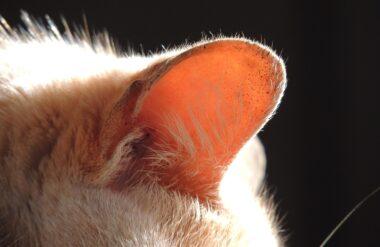
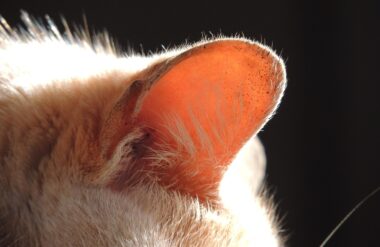
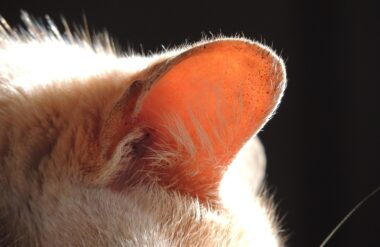
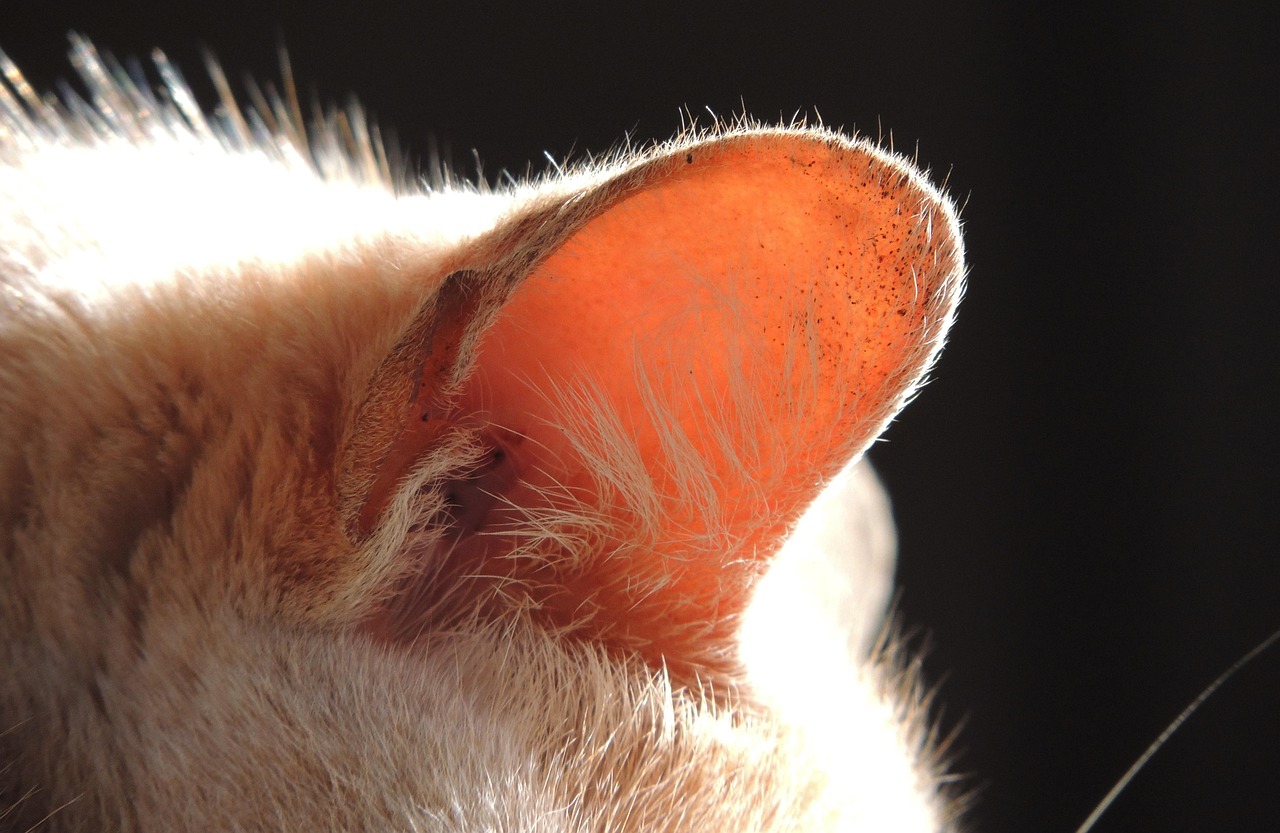
Being proactive about your cat’s ear health involves knowing the potential signs of infections and infestations. As a responsible pet owner, familiarize yourself with what healthy ears should look like. Healthy ears should be clean with a minimal amount of ear wax, without any presence of odor or excessive scratching. If your cat’s ears appear red, swollen, or irritably inflamed, these signs warrant immediate veterinary attention. It’s important to consider an integrated preventive approach towards your cat’s ear health, combining outplays of regular cleanings, inspections, and environmental controls. If you provide your cat with a diet rich in essential nutrients, it can enhance their immune system allowing them to combat infestations more efficiently. Furthermore, routine veterinary check-ups allow for early detection of potential parasitic issues. Keeping up-to-date with vaccinations is also beneficial, as a healthy immune system can keep ear mites at bay. Understanding your cat’s unique behaviors and patterns is vital as well. Any significant changes should be followed up with a visit to your vet. Longevity in your cat’s health is achievable with consistent efforts to maintain proper ear hygiene and healthcare practices.
When to Seek Professional Help
Consulting a vet promptly if you suspect your cat has ear mites or any ear issues is fundamental. While many treatments are available, some require precise medical guidance. If signs of ear mites persist beyond initial treatment – like continuous scratching, inflammation, or discharge – don’t hesitate to revisit your veterinarian. The continued symptoms might indicate a severe infestation or other underlying ear diseases that need to be addressed. Be cautious with over-the-counter remedies, as self-diagnosis can lead to inappropriate treatment. Veterinary examinations will allow for cytology, determining the actual cause of symptoms clearly. In some instances, impacted ear wax or a secondary infection may contribute to the problem, necessitating a different treatment approach. Your vet can provide tailored treatment plans compatible with your pet’s needs. Additionally, it can also uncover if your cat is displaying symptoms of allergies or other conditions resulting in ear discomfort. Building a solid relationship with a veterinarian encourages ongoing proactive health management for your cat, ensuring a healthy and happy life. Don’t underestimate the expertise and support that your vet can provide, as it’s essential for your pet’s overall well-being.
In conclusion, understanding and addressing ear mites in cats is essential for overall pet health. Many cats suffer silently, so owners need to remain vigilant regarding their cats’ behavioral changes and physical signs. Proactive monitoring allows you to identify and rectify problems as they arise, reducing the chances of serious complications. Routine professional check-ups facilitate timely interventions and enhance treatment efficacy when issues present. Awareness of ear mite symptoms is crucial, as early signs prompt owners to seek immediate treatment. Coupled with consistent ear cleaning and keeping a clean living environment, pet owners can help ensure their cat’s comfort and health. Routine inspections allow for early detection of potential problems, providing opportunities for timely interventions. A robust preventative routine can safeguard your cat’s well-being throughout its life. Veterinary advice is invaluable, so recognize the role of your vet in managing your cat’s health. It’s equally important to create a supportive relationship with your pet, reinforcing positive behavior associated with health checks and grooming. By investing time into understanding your cat’s health, owners are investing in a long and happy companionship with their beloved feline friends.