
Using Black and White Photography for Japanese Bobtail Cats
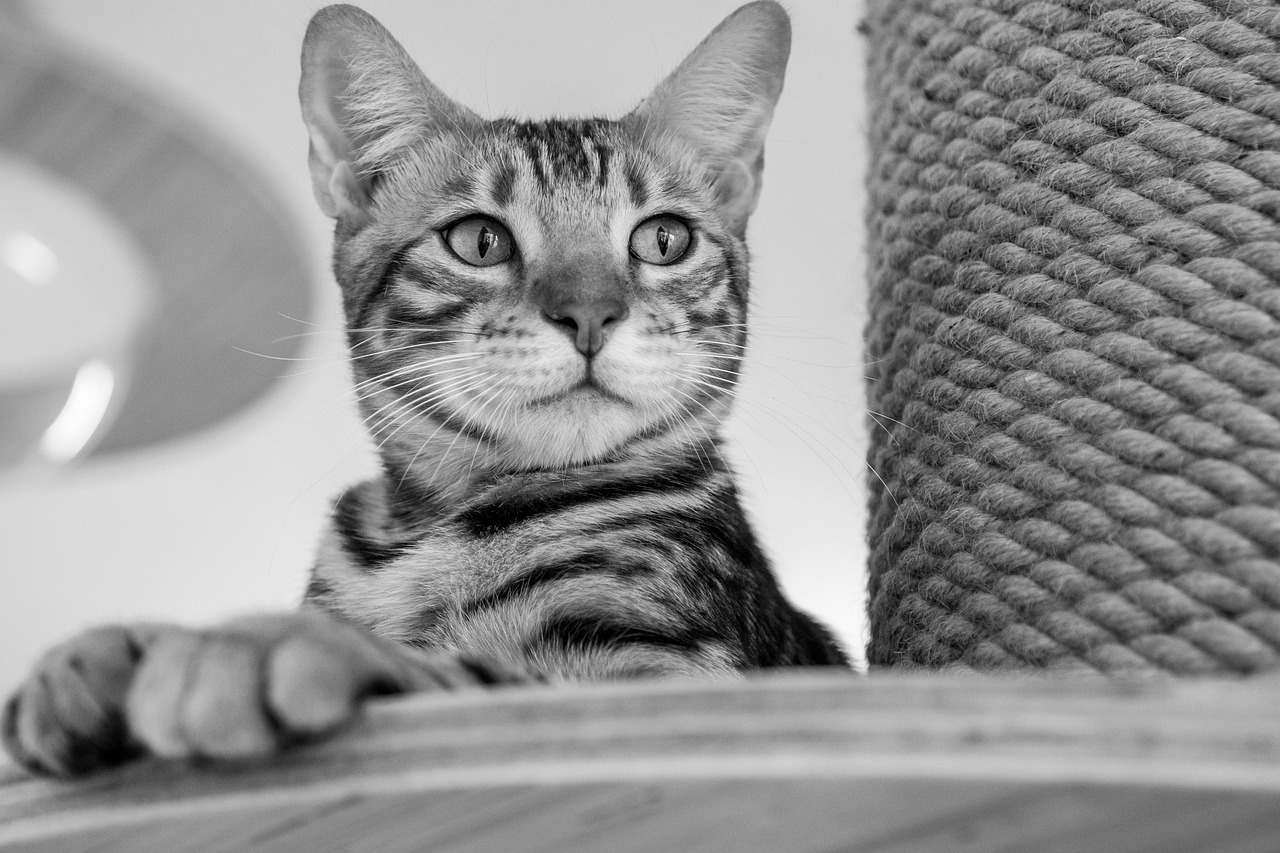
Capturing the essence of Japanese Bobtail cats through black and white photography requires a specific approach. The Japanese Bobtail, known for its short, bobbed tail and playful personality, offers a unique subject perfect for artistic expression. Working with black and white photography allows photographers to focus on contrasts, shapes, and textures. When shooting these cats, lighting plays an essential role, creating dramatic shadows and emphasizing their sleek fur. Use natural light when possible, and avoid harsh sunlight that can wash out details. Indoor settings should feature soft, indirect light to bring out the animal’s features. A consideration of angles is crucial; low angles can help portray the cat’s stature and personality. Additionally, utilizing a shallow depth of field draws attention to their expressive eyes and distinctive fur patterns. Use a fast shutter speed to capture their playful jumps or curiosity. Finally, post-processing in black and white should enhance clarity and contrast to achieve a striking image. Doing so will allow the viewer to appreciate the grace and beauty of the Japanese Bobtail while celebrating the art of black and white photography.
To achieve compelling black and white photographs of Japanese Bobtail cats, consider their characteristics. This breed boasts a unique build, including a slender figure and striking features. Capture their innate playfulness by showcasing them in action; photographs revealing their natural behavior will resonate with viewers. Candid shots of a Japanese Bobtail playing with its toys or curiously exploring new spaces create dynamic images. Incorporating various props, such as toys or textures, can provide an additional layer of interest to your photographs. Moreover, compositions reflecting the distinctive triangular shape of their face can enhance visual appeal. An important consideration is the background; a clean, non-distracting background ensures that the cat remains the focal point. Ensure that the contrasts in your black and white photography are well-defined. The absence of color can emphasize shapes and forms that may otherwise go unnoticed. Consider incorporating objects that contrast with the cat’s fur, enhancing their features. Experiment with different perspectives; a close-up shot of their eyes can convey deep emotion, while full-body shots capture movement. Black and white photography enables a timeless quality, allowing the audience to connect with the cat on an emotional level.
Lighting Techniques for Black and White Photography
In black and white photography, mastering lighting techniques can drastically alter the mood of your images of Japanese Bobtail cats. Soft, diffused light typically highlights details effectively, minimizing harsh shadows that may detract from the subject. Aim to photograph during the golden hour—just after sunrise or before sunset—when the light presents a warm glow, which can enhance the texture of the cat’s fur. When photographing indoors, consider using curtains or reflectors to diffuse strong light. Additionally, investigate using natural shadows formed by furniture or other objects to create depth. When shooting under artificial lighting, customized setups can emphasize the contours of their coat. Experimenting with backlighting can also produce mesmerizing silhouettes, contributing an ethereal quality to the image. Create contrast by pairing bright highlights with dark shadows, which can enhance the overall dramatic effect of your black and white photos. Remember to adjust your camera settings accordingly, ensuring that light integration is finely tuned to avoid underexposure or overexposure. Understanding the interplay between light and shadow is crucial for capturing the true nature of the Japanese Bobtail in all its beauty.
When photographing Japanese Bobtail cats, the use of angles can significantly influence the final outcome. Shooting from various perspectives allows for unique compositions—high angles can present a playful aesthetic, while low angles may elicit a sense of grandeur. It’s essential to vary your shooting positions to discover which angles best capture their personality or mood. Aim for eye-level shots, as they create a connection with the viewer, drawing them into the moment. Framing your subjects with surrounding elements can also lead to striking visuals. For instance, surround them with natural elements like plants or toys to create a narrative. Patience is key; waiting for the cat to adopt its unique pose will greatly enhance the quality of your photographs. Additionally, consider using burst mode when they are active, capturing multiple shots in quick succession. This technique allows you to select the best pose later. Make sure the environment is comfortable for the cat, as a relaxed subject leads to more authentic images. Ultimately, the goal is to reflect the distinct essence of the Japanese Bobtail while exploring various photographic angles and techniques.
Editing Techniques for Black and White Cat Photos
Post-processing is an important step in finalizing black and white photographs of Japanese Bobtail cats. Editing allows photographers to perfect their images and highlight desired features. First, use software tools to adjust contrast and brightness; carefully balancing these elements can dramatically enhance textures and outlines within the fur. When converting images to black and white, play with various presets to find one that best captures the mood. Focus on clarity, ensuring that details such as whiskers and fur patterns are crisply defined. Cropping can also improve composition; eliminate distractions to draw attention to the cat’s expressive face. Additionally, explore the option of including vignettes to focus the viewer’s attention on the primary subject. Remember, while editing can refine an image, retaining the natural beauty of the Japanese Bobtail is crucial. Subtle enhancements are often more effective than drastic changes. The goal is to create images that genuinely reflect the personality of the cat while celebrating its unique characteristics through the art of black and white photography.
The Japanese Bobtail is a fascinating breed that showcases exquisite beauty and playful energy, making it perfect for photographers. These cats possess an intriguing personality, noted for their intelligence and social nature, often enjoying interaction with their human companions. When photographing these cats, prioritize capturing their unique traits, such as their large eyes and charming expressions. Explore various settings, whether in a garden or indoors, using contrasting background elements to create dynamic visuals. Broaden your shooting experience by experimenting with diverse atmospheres, as lifestyle photographs telling a story resonate more deeply with the audience. Incorporating environmental elements, such as plants or fabrics, can frame the cat beautifully, enriching the narrative. Additionally, timing your photoshoots during active moments of the day allows you to capture candid shots that reflect their lively charm. Observing their behavior provides invaluable insights into creating photographic opportunities. Each Japanese Bobtail cat has a distinct personality, and understanding this individuality can inform how you approach your photography sessions. By merging technical skills with an appreciation for the breed, you are more likely to immortalize inspiring images that honor their uniqueness.
Final Thoughts on Black and White Cat Photography
In conclusion, black and white photography presents a captivating avenue to showcase the unique characteristics of Japanese Bobtail cats. By embracing the lack of color, photographers can emphasize shapes, contrasts, and textures, leading to impactful compositions. The techniques discussed, including lighting, angles, and post-processing, serve as essential aspects for capturing stunning images. Each photographic session will unveil new aspects of the feline’s beauty, revealing layers of emotion through careful consideration of settings and techniques. Always be patient, as working with pets can involve unexpected moments that add charm to your portfolios. While the black and white medium celebrates simplicity, it also demands skill and creativity to effectively convey the essence of these cats. In exploring this genre, you can create timeless images that resonate with a vast audience, fostering an appreciation for the artistry involved in pet photography. Always continue to learn and adapt, because every shoot can present new challenges and opportunities. Ultimately, embracing both the art and discipline of this form of photography will yield rewarding results for those passionate about cats and their stunning representation through images.
In conclusion, black and white photography presents a captivating avenue to showcase the unique characteristics of Japanese Bobtail cats. By embracing the lack of color, photographers can emphasize shapes, contrasts, and textures, leading to impactful compositions. The techniques discussed, including lighting, angles, and post-processing, serve as essential aspects for capturing stunning images. Each photographic session will unveil new aspects of the feline’s beauty, revealing layers of emotion through careful consideration of settings and techniques. Always be patient, as working with pets can involve unexpected moments that add charm to your portfolios. While the black and white medium celebrates simplicity, it also demands skill and creativity to effectively convey the essence of these cats. In exploring this genre, you can create timeless images that resonate with a vast audience, fostering an appreciation for the artistry involved in pet photography. Always continue to learn and adapt, because every shoot can present new challenges and opportunities. Ultimately, embracing both the art and discipline of this form of photography will yield rewarding results for those passionate about cats and their stunning representation through images.