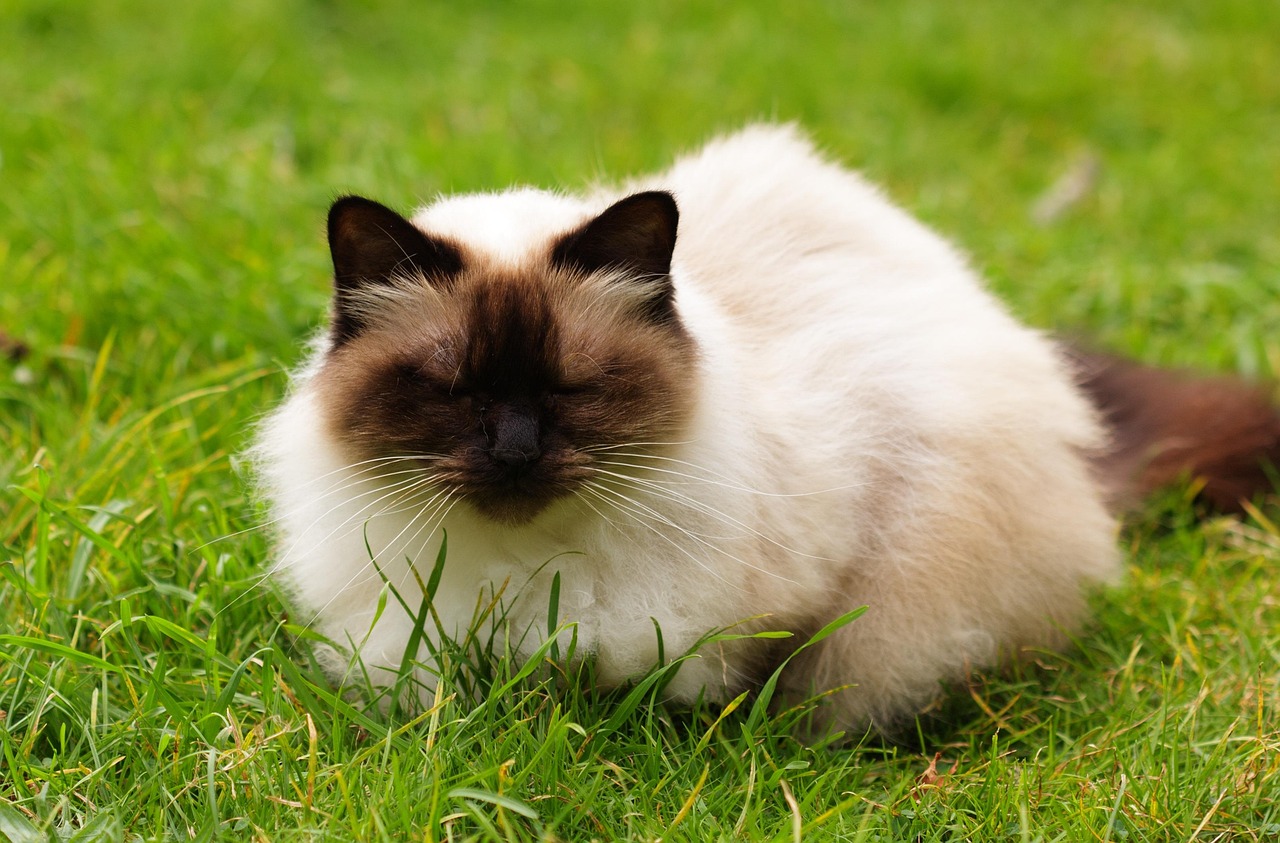

How to Handle Shedding and Matting in Himalayan Cats
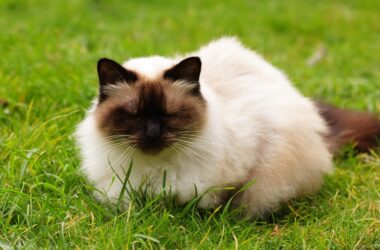
Himalayan cats are known for their striking beauty and luxurious fur, but their long, silky coats necessitate regular grooming. To keep their fur healthy and reduce shedding, it’s essential to establish a grooming routine early. Aim to brush your Himalayan cat at least two to three times a week, gradually increasing frequency during shedding seasons. Tools like a slicker brush or a wide-toothed comb can help prevent matting and remove loose fur efficiently. To make the grooming process enjoyable for your cat, ensure that it’s done in a calm environment, rewarding them with treats afterward. Additionally, consider investing in a grooming mitt, which can help to remove dead hair while also providing comfort. During this time, check for any signs of skin irritations or parasites. If your cat seems uncomfortable, it may be beneficial to consult a veterinarian for advice on the best grooming products or techniques tailored to your Himalayan’s specific needs. Maintaining a regular grooming schedule can be the key to keeping your cat’s coat untangled, soft, and healthy for years to come.
Matting can be a common issue for Himalayan cats due to their long fur, especially in areas like behind their ears or under their armpits. To effectively handle matting, it is crucial to be gentle while removing knots. Avoid pulling on matted fur, as it can cause pain or injury. Instead, use a pair of blunt-tipped scissors or a dematting comb to carefully separate the fur. Work from the tips of the fur toward the roots, holding the base to minimize discomfort. If mats are particularly tight or large, you may want to consider seeking professional grooming services. Experienced groomers can skillfully address severe matting without causing stress to your pet. Regular bathing can also help in reducing matting, as dirt and oils can cause tangles. Ensure to use a quality cat shampoo and rinse thoroughly. If you need to bathe your Himalayan, introduce it gradually, so they can become accustomed to the water. In emergency cases, a veterinarian may provide additional options to remove difficult mats. Preventing mats simplifies the grooming process and enhances your cat’s overall comfort, contributing to their quality of life.
Establishing a pleasant grooming environment is essential for Himalayan cats. Start by choosing a comfortable and safe space for grooming sessions, such as a cozy blanket on the couch or a designated grooming table. Be mindful of noise levels and potential distractions, as anxiety can lead to resistance during grooming. Create positive associations by using treats and gentle petting during these sessions, allowing your cat to feel relaxed. Additionally, prepare all necessary grooming tools beforehand to minimize interruptions. Utilize a soft brush for regular brushing, and keep clippers or scissors handy for specific tasks. For certain cats, playing calming music might also help ease their nerves. Consider scheduling grooming when your cat is most relaxed, such as after a meal or playtime. Always pay attention to their reactions; if they seem agitated, take a break and return later. This gradual approach will make grooming less stressful, allowing for more effective care. Remember, patience is essential to developing a good relationship during grooming sessions. Creating this atmosphere makes it easier for both you and your cat, leading to a more enjoyable experience overall.
The Role of Diet in Shedding
A well-balanced diet plays a pivotal role in maintaining your Himalayan cat’s coat health and reducing excessive shedding. Essential fatty acids, particularly Omega-3 and Omega-6, can significantly influence fur quality. Incorporate foods rich in these fatty acids, such as fish oil or flaxseed oil, to promote a healthy and shiny coat. Consider high-quality cat food that includes all the necessary nutrients, vitamins, and minerals. Wet food can help keep your cat hydrated, which also aids in skin health. Regularly check food labels for protein sources and ensure meat is a priority, as it provides adequate amino acids for fur growth. Some Himalayan cats might benefit from specific diets that target shedding issues, which can be recommended by your veterinarian. Always ensure fresh water is available, as proper hydration contributes to overall skin condition. Monitor your cat’s weight to prevent obesity, as excessive weight can impact grooming and hygiene. Balancing nutrition is paramount; it ensures your cat thrives and displays the luxurious coat they are known for.
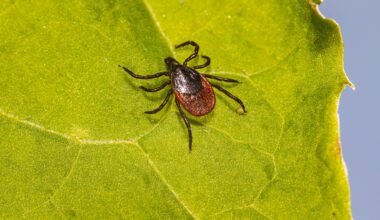
Regular veterinary check-ups are vital in addressing shedding and matting concerns in Himalayan cats. During these appointments, you can discuss any worries regarding your cat’s coat condition or skin health. A veterinarian may recommend specific grooming tools or techniques better suited to your cat’s fur. Additionally, parasites like fleas or ticks can significantly impact overall fur quality and lead to increased matting if left unchecked. Routine examinations allow for early detection of such issues. Furthermore, some Himalayan cats may develop skin allergies or sensitivities that cause excessive scratching and shedding. Your vet can suggest effective treatment options or dietary adjustments to alleviate these problems. Should you notice any unusual changes in your cat’s coat, don’t hesitate to bring it up during the visit. Comprehensive health checks ensure both your cat’s physical well-being and their coat’s appearance. This proactive approach can ultimately save costs and time in the long run, as detecting challenges early improves your cat’s overall quality of life and grooming process. A healthy cat means a beautiful coat that requires less grooming attention and reduces common issues related to matting.
Creating a routine grooming schedule for your Himalayan cat fosters familiarity and reduces stress. Set aside time for weekly brushings to prevent matting and reduce shedding. A consistent schedule helps you notice any changes in your cat’s coat or skin condition. Begin with short sessions, gradually increasing the duration as your cat becomes comfortable. Rather than viewing grooming as a chore, turn it into a bonding activity. With patience and a gentle touch, your cat will view grooming as a pleasant interaction. Utilize various grooming tools, like pin brushes or de-shedding tools, to cater to your cat’s specific needs, providing a comprehensive approach to their coat management. Include regular inspection of ears, eyes, and nails during grooming sessions as part of holistic care. This routine may also help you catch potential health issues before they escalate. Keep a diary to track your cat’s grooming sessions and any observations, adjusting the schedule as necessary. This meticulous care enhances your cat’s coat appearance and contributes to a stronger human-animal bond, fostering trust and affection.
Conclusion
In conclusion, handling shedding and matting in Himalayan cats requires commitment and diligence. By establishing a consistent grooming routine, focusing on nutrition, and seeking veterinary guidance, you can maintain your cat’s glorious coat effectively. Consistency in grooming prevents stress for both you and your cat while also ensuring their comfort and overall health. Embrace the process by transforming grooming into a bonding time, ultimately creating a trusting relationship that helps your cat stay calm. Remember to include a variety of grooming tools tailored to your cat’s specific fur type. Stay observant about any changes in your cat’s skin or coat condition as these may signal underlying health issues. Should matting occur, employ gentle techniques or seek professional help if necessary. Monitor your cat’s overall health through proper nutrition and regular veterinary visits, ensuring longer-lasting beauty in their fur. With patience and love, your efforts to manage shedding and matting will lead to a rewarding experience for both you and your Himalayan cat. By prioritizing their coat care, you enhance not just their appearance but their overall happiness and well-being too.
In summary, maintaining a healthy coat for your Himalayan cat is a multifaceted approach that combines grooming, proper nutrition, and medical care. Investing time into grooming will pay off with a less stressful experience for both you and your feline friend. Incorporate this routine into your regular activities while balancing the cat’s overall health with proper veterinary support. By providing the right environment and encouraging positive associations during grooming, they will be more cooperative. Maintain good communication with your vet regarding concerns about matting, shedding, and diet. Check up on your cat’s condition regularly, and consult health and diet options. A healthy cat equates to a happier living situation where daily grooming becomes less of a task and more of an enjoyable interaction. By patiently implementing these practices, you can improve the quality of life for your Himalayan cat, ensuring they remain vibrant and comfortable. Ultimately, a well-groomed cat signifies a healthy, happy, and cherished member of your family that fulfills the standards of feline beauty. Both you and your Himalayan will be rewarded by this shared commitment to care, beauty, and happiness.