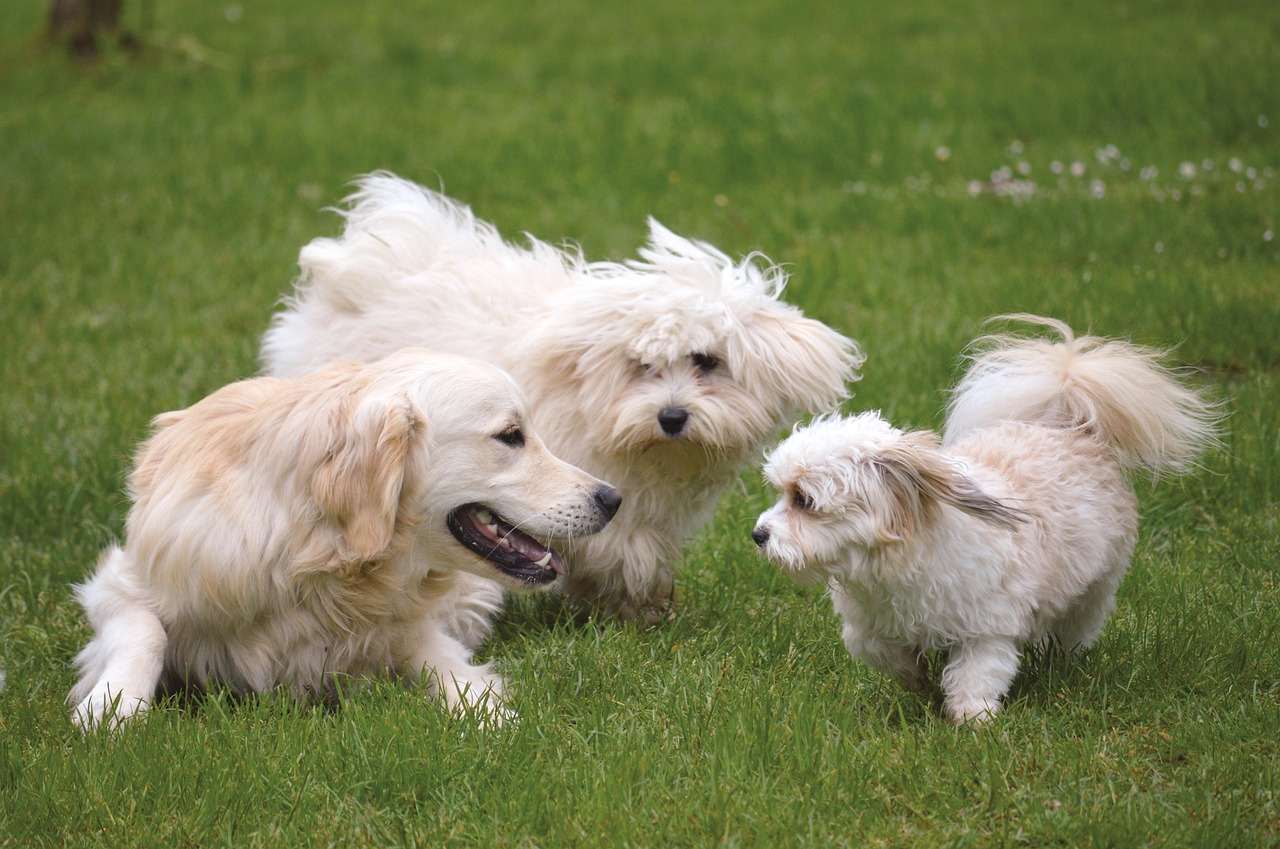

The Role of Socialization in Preventing Behavioral Issues
Socialization is a crucial component in the training of dogs, significantly affecting their behavior. Effective socialization ensures that dogs are exposed to a variety of people, environments, and other animals. This exposure helps them develop confidence and adaptability. Dogs that lack proper socialization may develop fear or aggression towards unfamiliar stimuli. For instance, a dog that hasn’t experienced different social settings may react negatively when encountering children, strangers, or other pets, resulting in stress for both the dog and its owner. Therefore, promoting positive interactions during the early stages of a puppy’s life is essential. Owners can facilitate this by organizing playdates, visits to dog parks, or enrolling their pets in training classes. Each of these gatherings presents an opportunity for dogs to learn appropriate behavior cues, strengthening their coping mechanisms in various scenarios. Additionally, proper socialization can help alleviate separation anxiety in dogs, making them less reliant on their owners. Proper training methods, especially at a young age, lay the foundation for positive behavioral development. Owners should actively seek socialization activities to prevent issues later in the dog’s life.
As dogs progress through their socialization journey, consistency is essential. Regularly exposing dogs to different stimuli reinforces their learning and understanding of acceptable behaviors. When owners invest time in socializing their dogs, they contribute to long-term benefits. Dogs that engage socially often display better manners around people and other animals. This transformation not only strengthens the bond between the dog and its owner but also enhances the overall community environment. Well-socialized dogs are more likely to be accepted in various settings, including homes, parks, and even businesses, making outings enjoyable for everyone involved. Additionally, participating in puppy classes or group training sessions provides structured environments for learning. These encounters can help dogs become more relaxed around potential triggers, such as loud noises or crowds. Effectively introducing dogs to diverse experiences can mitigate fearfulness, leading to more balanced behaviors. Owners need to remember that socialization isn’t just a phase; it’s an ongoing process. This continuous exposure ensures adaptable behavior, creating a well-rounded companion. Over time, a dog’s experiences shape its personality and responses, emphasizing the importance of early and consistent socialization efforts.
Identifying Behavioral Issues Early On
Recognizing early signs of behavioral problems is key in pet ownership. Owners should be observant when their dogs are interacting with others. Signs like excessive barking, growling, or retreating may indicate discomfort or fear. Such behaviors often stem from a lack of social exposure. If a dog consistently reacts negatively in social situations, it’s crucial to address these concerns proactively. A professional trainer can offer strategies tailored to the dog’s specific challenges. Implementing positive reinforcement techniques encourages gradual exposure to the stimulated environment. Moreover, dogs may sometimes exhibit aggression when overwhelmed. Identifying these triggers allows owners to modify environments or situations to prevent adverse reactions. Gradual desensitization to fearful stimuli can be achieved through controlled exposure and rewarding calm behavior. Organizations specializing in dog training provide valuable resources and support for owners navigating these issues. By working collaboratively with trainers or attending workshops, owners can better understand their dog’s needs. Paying attention to signs of stress or anxiety is paramount in fostering an environment conducive to healthy social behaviors. Early intervention not only improves the dog’s well-being but also enhances the owner’s quality of life.
Socialization practices not only prevent behavior problems but also enrich the dog’s overall life experience. Engaging with other dogs and humans can help fulfill natural instincts for companionship and exploration. Dogs are inherently social animals; thus, they thrive on interaction. Regular social engagement can discourage loneliness and boredom, leading to destructive behaviors in the home. Activities such as group walks, training sessions, or doggy daycare can satisfy their social needs. Such environments also expose dogs to a variety of sounds, sights, and scents, fostering mental stimulation. Dog training academies often provide tailored programs designed for specific behavioral goals. Activities focusing on agility, obedience, or even dog sports encourage physical fitness, which is critical for maintaining a healthy lifestyle. Additionally, participating in these activities builds a strong bond between the owner and the dog, enhancing trust. Trust plays a significant role in a dog’s responsiveness during training. When dogs feel secure, they are more inclined to follow commands and exhibit good behavior. Therefore, incorporating regular socialization routines into a dog’s life can have profound effects on their emotional and behavioral development.
The Importance of Professional Guidance
Seeking professional guidance can greatly enhance a dog’s socialization experience. Trainers knowledgeable in canine behavior recognize the signs of stress and fear in dogs, providing strategies to address them. Many trainers offer classes that include socialization exercises, allowing dogs to learn in a structured setting. These classes typically emphasize positive reinforcement, rewarding good behavior during interactions. Additionally, trainers can highlight areas needing improvement, equipping owners with specific techniques to implement at home. Evaluating socialization progress over time is crucial to improving overall skill sets. Consistent feedback from a professional can reveal patterns and habits that owners might overlook. Furthermore, trainers may introduce controlled playdate environments, managing the interactions to ensure safety and comfort. After attending these sessions, owners often notice a remarkable change in their dog’s confidence and behavior. Investing in professional resources often leads to better outcomes in challenging situations that could arise later, addressing underlying issues before they escalate. Thus, enrolling in structured training programs is a worthy consideration for all dog owners committed to ensuring a well-behaved companion.
Once dogs experience positive interactions with others, owners should continue fostering these relationships regularly. Consistency reinforces learning, helping dogs generalize behaviors across various environments. Establishing a routine that includes social visits or training classes cultivates a well-adjusted pet. In addition to formal classes, inviting friends or family over who are dog-savvy can aid socialization efforts. Controlled introductions provide an opportunity for the dog to meet new people comfortably, gradually building its confidence. Ensuring that experiences remain positive is vital; negative interactions can quickly diminish progress made. Owners should be prepared to step in if the situation escalates, redirecting the dog’s focus toward a safer behavior. This may involve distracting the dog with treats or engaging it in an activity. Moreover, regular socialization doesn’t just benefit dogs; it enhances the owner’s social interactions as well. Connecting with other dog owners opens the door for shared experiences and support. Ultimately, the goal is to cultivate an enjoyment of social settings for both the dog and owner. A well-socialized dog is likely to thrive in different environments, fostering a harmonious relationship.
Long-term Benefits of Socialization
The long-term benefits of appropriate socialization extend far beyond behavioral improvements. Well-socialized dogs are typically more adaptable, making transitions easier for both the animal and the owner. This adaptability simplifies logistical challenges, such as traveling or welcoming guests into the home. For instance, when a dog is introduced to various experiences early on, it is less likely to develop anxiety during changes in routine. Additionally, socialized dogs are often more comfortable in various situations, whether it’s a family gathering or a visit to the vet. This comfort level can drastically reduce stress for both the dog and owner, leading to a more enjoyable experience. Furthermore, well-socialized dogs tend to form stronger, healthier relationships with both humans and other animals, which is fundamental for emotional well-being. Pet owners can feel confident bringing their dogs out into the community, knowing that they can appropriately engage with others. The confident demeanor of a well-socialized dog also positively reflects on the owner’s training efforts. Investing time in socialization will yield significant rewards over a dog’s lifetime, enhancing happiness, health, and companionship.
It is evident that socialization serves as a pivotal element in fostering healthy behavioral development in dogs. Dogs require proper exposure to diverse environments and situations to grow into well-rounded companions. Prioritizing socialization can prevent many behavioral challenges, such as fear, aggression, or anxiety. By introducing puppies to new experiences early on, owners can provide a strong foundation for their future interactions. Engaging in regular training sessions and social activities ensures that dogs remain adaptable and responsive in various settings. Continuous improvement in a dog’s social skills enhances both their quality of life and the owner’s experience. By recognizing behavioral problems early on and implementing corrective measures, owners can mitigate the effects of poor socialization. Seeking professional guidance when needed can further enhance the experience and support the overall training process. The investment of time and effort in a dog’s socialization journey will ultimately yield a more harmonious relationship. As dogs learn to navigate their world with confidence and positive interactions, they embody the essence of what a well-trained pet should be. Thus, fostering an understanding of the significance of socialization is essential for all dog owners.