
How Early Socialization Helps Cats Adapt to New Environments
Early socialization is crucial for cats, significantly influencing their ability to adjust to various environments. A cat that has been socialized from a young age experiences less anxiety when encountering new situations or people. This adaptability leads to overall better behavior and health outcomes. Trained cats exhibit enhanced social skills, allowing for smoother interactions with humans and other pets. Proper early exposure to different stimuli, such as sounds, sights, and people, helps cats develop confidence. Gradually introducing them to these new experiences fosters comfort and reduces fear-based reactions. Furthermore, well-socialized cats are less likely to display aggressive behavior in unfamiliar situations. The benefits of socialization extend beyond mere comfort; they can also affect a cat’s learning capability. A socialized environment encourages curiosity and exploration, vital aspects of a cat’s well-being. As a result, early socialization becomes fundamental in nurturing a well-adjusted pet that thrives in a homely atmosphere. Ultimately, responsible cat owners must prioritize socialization practices, emphasizing their long-term benefits, thus improving the quality of life for both the feline and their companions.
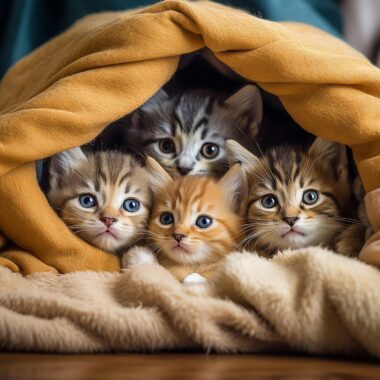
Research indicates that the ideal window for socializing cats is between two and nine weeks of age. During this developmental phase, kittens are highly impressionable and receptive to new experiences. They develop their personality and behavior patterns during this time, establishing lifelong traits and preferences. Owners can maximize socialization efforts by gently exposing kittens to different humans, pets, and environments. Yet, it’s essential to approach this process with patience and a positive attitude to ensure kittens associate new experiences with comfort rather than fear. A gradual introduction to various stimuli can include sounds like vacuums, doors ringing, and interactions with different people. The goal is to create a balanced environment, minimizing stress. Furthermore, positive reinforcement, such as treats and praise, can enhance a kitten’s learning. This encouragement fosters trust and confidence, reinforcing good behavior. As these young cats grow, repeat positive experiences can help them feel secure and adaptable. By concentrating on socialization, owners enable their cats to form healthy relationships with their environment, proving that early interventions can yield outstanding results as they mature into friendly, confident adults.
The Role of Environment in Socialization
The environment plays a pivotal role in shaping a cat’s socialization experience. Ensuring a safe, stimulating space can significantly impact how quickly and effectively a cat adapts. A rich environment filled with diverse textures, safe toys, and areas for exploration engages curiosity. Proper environmental challenges stimulate mental and physical growth. It promotes brain development while supporting their instincts to hunt, play, and explore. Cats without adequate stimulation may exhibit unwanted behaviors due to frustration or boredom. Therefore, creating a multi-faceted environment is essential for encouraging social development and preventing negative traits. Additionally, socialization should extend beyond the home and include outdoor experiences. Supervised interactions in gardens or patios introduce them to different sights and smells. Gradually, this exposure helps forge positive associations with things outside their comfort zone. Integrating new environments will build resilience and adaptability in adult cats, ensuring they are better equipped for the world around them. Environments should be dynamic to continue fostering a cat’s social development positively. By prioritizing their comfort, confidence can grow, setting the foundation for an enriched life.
Kittens that experience poor socialization often develop various behavioral issues, including anxiety and aggression, distinguishing them from their well-adjusted peers. Cats that haven’t benefited from early socialization may struggle with timidness, leading to an inability to form bonds with owners or other animals. Such issues typically manifest as defensive behavior like hissing or swatting when feeling threatened. Furthermore, a lack of socialization exacerbates fear in unknown situations, making it challenging for owners to manage their cats effectively. Early socialization practices directly correlate with reducing these stress-related behaviors. Cats less exposed to various stimuli might also shy away from interactions with unfamiliar people in adulthood. Addressing these concerns early can prevent long-term emotional distress. Investing time into socializing kittens initially pays off, providing a foundation for confidence throughout life. Encouraging interaction with a range of people, pets, and environments fosters a healthy, stable cat. Regular exposure to diverse stimuli allows felines to adopt adaptive coping mechanisms rather than resorting to aggressive displays. In general, socialization is a vital aspect of responsible pet ownership that directly benefits the cat’s overall well-being and behavior.
Socialization Techniques for Owners
Owners can employ various methods to socialize their cats effectively during early development. One successful technique is handling kittens frequently within a short period consistently. They should be held gently, cuddled, and stroked. This fosters a positive association with human contact and helps build trust. Introducing kittens to a variety of people during this period can reinforce these interactions. Guests should approach kittens calmly, offering treats to create positive experiences and build comfort around new individuals. Additionally, using toys to encourage playtime strengthens relationships, promoting fun interactions. Engaging with different toys, colors, and textures can enhance their adaptability. Owners can also provide playdates with other vaccinated kittens or friendly adult cats, encouraging vital social skills. Observing others can teach appropriate behavior, improving their ability to relate to peers. Gradually exposing your cat to various textures and sounds helps cultivate adaptability and familiarity. Moreover, utilizing clicker training can support learning during socialization. Positive reinforcement builds confidence while helping establish desired behaviors. By integrating these techniques thoughtfully, owners can help their cats grow into well-mannered and sociable companions.
Moreover, patience is crucial in practicing socialization techniques. Each cat has a unique temperament, requiring tailored approaches based on their comfort levels. Some kittens may naturally be more timid or confrontational. Recognizing these differences allows owners to adapt their socialization strategies accordingly and avoid creating negative experiences. Rushing interactions may result in fear or anxiety, causing setbacks. Therefore, taking gradual steps is vital in building their confidence with persistent encouragement. A calm environment during socialization is also essential, as excessive noise can create stress. Owners should ensure playtime remains upbeat and filled with praise, encouraging connections without overwhelming their cats. Alongside gradual exposure, being mindful of individual personalities allows owners to develop a greater understanding of their feline companions. Furthermore, ensuring that socialization efforts occur in a fun and playful manner can foster long-lasting benefits. Positive associations created during early socialization can lead to stronger bonds between cats and their owners. Therefore, the owner-captivating relationship becomes enriched, enhancing trust, security, and, ultimately, a loving home. With commitment, anyone can transform their cat into a confident, socially adept companion, ensuring a fulfilling life together.
Long-Term Benefits of Socialization
Ultimately, the significance of early socialization extends beyond the kitten phase, influencing a cat’s entire life. This foundational experience fosters long-term adaptability and resilience in various environments. Adult cats benefit from their early social experiences and exhibit balanced behaviors, significantly reducing anxiety in changing situations. Cats that have undergone early socialization generally adjust better to introductions of new pets or familial changes, lowering the stress levels in the household. Their ability to relate to unfamiliar environments reflects their initial exposure to a variety of stimuli. Better social skills result in seamless integration into family life, creating harmony amongst household members. Furthermore, health benefits come forth, as stress often correlates with physical health issues. Less stress leads to fewer trips to the veterinarian, enhancing overall well-being. Additionally, socialized cats are typically more confident, showing higher engagement or playfulness. A well-adjusted cat enriches the lives of their human companions by displaying affectionate behaviors. Therefore, prioritizing early socialization is essential for the holistic growth of a cat’s emotional and physical well-being, ultimately contributing to a fulfilling partnership with their human families.
In conclusion, early socialization plays a critical role in shaping a cat’s adaptability to various environments. A well-socialized cat exhibits confidence, healthier relationships with others, and stability in unfamiliar situations. Investing time and effort into socializing cats during their formative weeks yields long-term benefits that enhance their quality of life significantly. Owners should recognize how vital these interactions are, striving to create diverse experiences that foster positive traits and behaviors. By introducing new faces, sounds, and experiences, cats learn to navigate their environment with ease and grace. Monitoring and adapting strategies based on individual needs will also encourage the best results. Furthermore, ensuring ample opportunities for social interaction fosters enriching experiences supporting their emotional health. As a result, these lifelong benefits cement the importance of early socialization not only for cats but for the communities and families they join. Ultimately, a well-socialized cat can thrive in any environment, making them better companions for every pet owner seeking joy and connection in their lives.