
The Role of Antioxidant Supplements in Dog Nutrition
Antioxidant supplements play a crucial role in your dog’s nutrition, impacting their overall health. These supplements help combat oxidative stress caused by free radicals, which can lead to cellular damage. By neutralizing these harmful elements, antioxidants contribute to longevity and a healthier life for your canine companion. Common antioxidants like vitamins E and C have been shown to provide multiple benefits. For instance, vitamin E promotes healthy skin and coat while vitamin C supports the immune system. Additionally, antioxidants from natural sources, such as fruits and vegetables, can be integrated into your dog’s diet. Foods like blueberries, spinach, and carrots are not only nutritious but also rich in antioxidants. Moreover, commercial dog foods often contain these essential vitamins, yet supplementation can maximize their effects. It’s critical to consult with a veterinarian before introducing these supplements into your dog’s diet, as excess amounts can be harmful. Understanding your dog’s specific needs will help tailor an effective nutrition plan. Antioxidants can support your dog during various life stages, including puppyhood and aging, ensuring they thrive during every phase.
Benefits of Antioxidants for Dogs
Including antioxidants in your dog’s diet can lead to numerous health benefits, especially as they age. A primary advantage is the reduction of inflammation, which is significant as chronic inflammation can lead to various diseases. Antioxidants support joint health, helping to prevent arthritis and maintaining mobility. Additionally, they help improve cognitive function, reducing the risk of conditions such as canine cognitive dysfunction syndrome. Dogs with better cognitive health may exhibit improved memory and learning abilities. Furthermore, antioxidants help protect vital organs such as the heart, liver, and kidneys from oxidative damage. The nutrients found in these supplements can support normal cellular function, improving overall vitality. For dogs with specific health conditions, such as cancer, antioxidant supplementation may be particularly beneficial. They can assist in enhancing the efficacy of conventional treatments and support your dog’s well-being. Regularly including antioxidant-rich foods in your dog’s meals can offer overall enhancement to their health. A balanced diet with antioxidants can lead to a longer, healthier life, allowing your furry friend to enjoy active days well into their senior years.
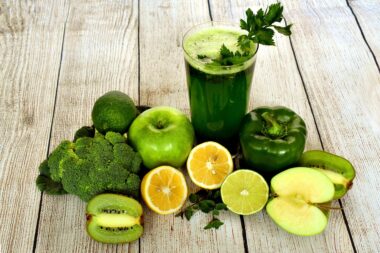
Various sources of antioxidants are available, allowing owners flexibility when considering supplements. Natural sources include berries like blueberries and strawberries, as well as vegetables such as spinach and kale. These foods provide a variety of nutrients essential for overall health. However, in specific cases, synthetic supplements may be recommended, particularly for dogs with serious health conditions. When choosing supplements, it is essential to opt for products that have been tested for purity and efficacy. Look for those certified by veterinary health organizations. Adding antioxidants to your dog’s diet can be done gradually to observe any potential side effects. Keeping an eye on your dog for any changes in behavior or health after supplementation is advisable. If your dog has any pre-existing health conditions or is on medication, consult your veterinarian before introducing antioxidants. They can help determine appropriate dosages and ensure your dog’s safety. The importance of moderation cannot be overstated, as excess intake of certain antioxidants can lead to adverse effects. Quality over quantity is key to implementing effective antioxidant supplementation.
Choosing the Right Antioxidant Supplements
Choosing the right antioxidant supplements for your dog requires careful consideration. Not all supplements are created equal, and it’s essential to select those that are suitable for your dog’s unique needs. Before purchasing, it’s wise to research ingredients and recommended dosages based on your dog’s size and breed. Consult your veterinarian to determine the appropriate antioxidant regimen for your furry friend. They can help select supplements tailored to address specific health concerns. Additionally, pay attention to the source of the antioxidants. Natural sources are generally preferred over synthetic ones due to the added nutrients that are beneficial for dogs. Check labels and look for supplements that utilize high-quality ingredients. Be wary of products containing artificial additives or fillers, as these can be detrimental to your dog’s health. Consider looking for brands that offer transparency regarding sourcing and production processes. Reviews and recommendations from fellow pet owners can also guide you in making informed choices. Ultimately, providing your dog with the best possible nutrition is an investment in their health and happiness.
Antioxidants can be found in various forms, such as tablets, powders, or liquid solutions. Each form has its own pros and cons, depending on your dog’s preferences and needs. For example, some dogs may be more accepting of tasty chewable tablets, while others may resist taking a pill. Liquid supplements may be easier to administer, but they sometimes have shorter shelf lives. Understanding your dog’s individual preferences can help streamline the process of incorporating nutitional supplements into their daily routine. Mixing powders into food can be an effective way to provide antioxidants, making it an easier option for picky eaters. Ensuring consistency in administration is paramount for achieving the desired health benefits. If you’re introducing new supplements, do so slowly and observe any changes in your dog’s reaction. Timing can also play a key role in managing supplements. For best results, administer them at specific times that align with meals. Adequate hydration is crucial as well, especially when introducing dry supplements. It’s essential to keep your dog hydrated for optimal absorption of these healthy substances.
Potential Risks of Over-Supplementation
While antioxidant supplements are generally beneficial, it’s important to be aware of the potential risks of over-supplementation. Providing excess antioxidants may lead to toxicity, especially with fat-soluble vitamins such as vitamins A, D, E, and K. Toxicity can manifest in various health issues, including nausea, lethargy, and more serious complications. Always adhere to recommended dosages provided by your veterinarian or the product label to avoid these potential health problems. Individual responses to antioxidants can vary from dog to dog. Sometimes what works well for one breed or age may not be suitable for another. Monitoring your dog’s health and behavior after introducing new supplements can help identify any adverse side effects early on. If you notice any unusual symptoms, consult your veterinarian without delay. It is also crucial to evaluate all dietary components your dog consumes, as some foods contain naturally high levels of antioxidants. Overlap between diet and supplementation can sometimes lead to inadvertent over-supplementation. Educating yourself on your dog’s nutritional requirements is vital for safe and effective use.
Integrating antioxidant supplements into your dog’s nutrition shouldn’t be rushed; gradual adjustment allows for better acclimatization. Start with small doses and monitor your dog’s reaction over the course of several days. Noticeable changes in energy levels, coat health, or overall vitality can indicate effectiveness. Tracking these changes in a journal can also help identify patterns over time. Consistency is key; providing antioxidants regularly can yield the best health benefits. Gather feedback from your veterinarian during follow-up visits to assess your dog’s progress and make necessary adjustments. Evaluate the impact of the supplementation as part of your dog’s routine. Adequate nutrition involves balancing antioxidants with other essential nutrients (proteins, carbohydrates, and fats) to support overall well-being. Additionally, regular physical activity complements the potential benefits of antioxidants by promoting a robust metabolism. Establishing a well-rounded wellness regimen will enhance your dog’s quality of life. Remember that a proactive approach to health care leads to better outcomes in the long term. Engage in continuous learning about canine nutrition to remain equipped for providing optimal care for your companion.
The Bottom Line on Antioxidants
Antioxidants are vital to your dog’s health and should be strategically included in their diet. The role they play in combating oxidative stress and supporting overall health cannot be overstated. By considering factors such as source, form, and appropriate dosages, you can create a tailored nutrition plan for your furry friend. Remember, consultation with a veterinarian will provide the best guidance on how to safely integrate these supplements. With thoughtful choices and regular monitoring, antioxidant supplementation can lead to a healthier, happier life for your dog. Implementing these changes will require commitment, but the benefits for your dog’s health are significant. Empowering yourself with knowledge about canine nutrition will also enhance bond and understanding between you and your pet. Consider exploring additional resources or attending seminars to expand your understanding of dog nutrition. Many online communities offer great advice and experiences regarding antioxidant use in canine diets. By using available resources wisely, you will continue to meet your pet’s needs responsibly. In conclusion, antioxidants play an essential role in dog nutrition and should be approached thoughtfully for success.