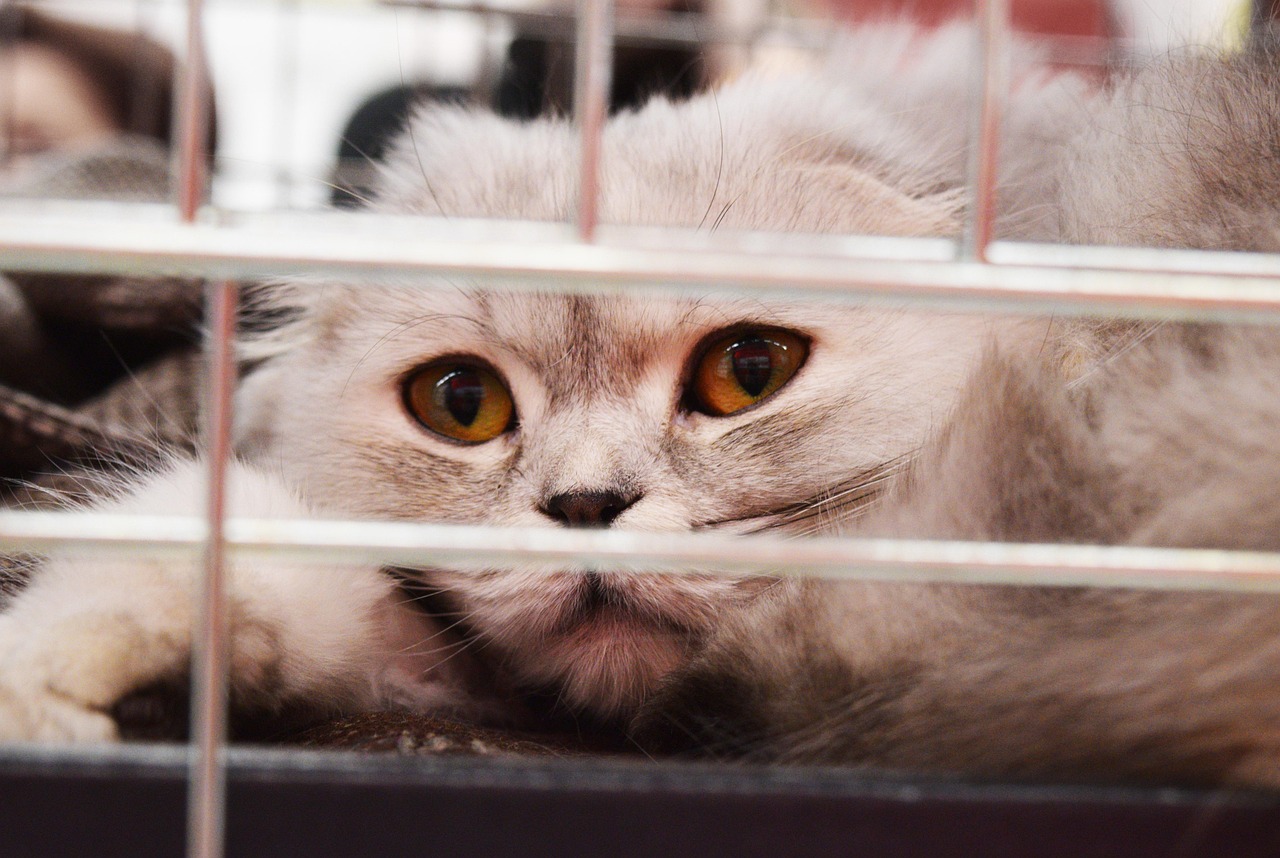

The Importance of Patience During Cat Adoption Adjustment Period
Adopting a cat can often feel rewarding, yet it may also come with various challenges. Understanding the adjustment period is crucial for both the owner and the adopted cat. During this time, patience plays a pivotal role in fostering a healthy relationship. New cats may experience anxiety and stress after leaving their previous homes, which may lead to behaviors that are unexpected or undesirable. These initial challenges can include hiding, refusal to eat, or aggressive gestures. To alleviate these issues, owners can create a safe and comfortable space that encourages exploration. Providing the essentials such as a litter box, food, water, and a comfy bed will significantly help their transition. Owners should also avoid overwhelming their new furry friends with excessive attention. Building trust takes time and cannot be rushed. Patience allows the cat to acclimatize at their own pace, ensuring a smooth integration into their new environment. Each cat’s adjustment period varies, and understanding this can help owners align their expectations accordingly. By taking each day as it comes, a rewarding bond can emerge, leading to a happy and harmonious living experience.
Being aware of the importance of patience will enable first-time adopters to prepare better for their new roles as pet parents. It’s not uncommon for adopted cats to display unpredictable behaviors, stemming from varying degrees of stress and fear. While many cats settle quickly, others might take several weeks or even months to adjust properly. Owners must establish a routine that provides consistency, as this promotes a sense of security. Daily interactions can gradually be increased as the cat builds confidence. Simple games using toys can encourage playfulness and interaction while offering an outlet for pent-up energy. Furthermore, giving them designated safe spaces allows them to retreat and gather courage whenever needed. Positive reinforcement through treats and gentle petting can facilitate trust-building. Connecting with advocacy groups and reading resources can also provide invaluable insights into the specific breed’s behavior. It is essential to stay informed while remaining vigilant to any potential health issues during this transition phase. Being patient and allowing for a gradual onboarding process can rapidly lead to enjoying a loving companionship that will enrich both your lives.
Understanding Cat Behavior During Transition
Recognizing the signs of stress in adopted cats is vital for ensuring a smooth transition. Cats communicate their feelings through body language, vocalization, and their overall behavior. Owners may notice early signs of discomfort, such as excessively hiding or aggressive posturing. Learning to interpret these signals can significantly aid in creating a comfortable environment. For example, a cat that flattens its ears may be frightened or stressed, while a relaxed body posture conveys contentment. Providing them with stimulating toys, scratching posts, and interactive play is highly beneficial. These small adjustments promote activity and keep their minds engaged. Gradually introducing them to various spaces within the home can help them feel secure and understand their new territory better. Furthermore, patience can be exercised by avoiding sudden movements or loud noises that may spook them. By understanding their behavior during this transition, owners can create a foundation based on respect and trust. Addressing their emotional and physical needs may require trial and error, but consistent effort will surely yield progress over time. Overall, allowing for gradual exposure to a new environment can contribute positively to emotional stability.
Developing patience with an adopted cat not only aids in their adjustment, but also fosters long-term relational success. Cats are naturally curious creatures, and providing an exploration-friendly environment fuels their instincts. Building a positive relationship requires observation and understanding of their unique personalities. Some cats may readily engage, while others might be shy and take longer to come out of their shells. While patience shouldn’t be confused with acceptance of destructive behaviors, it’s important to distinguish typical adjustment behaviors from underlying issues. In cases where behavioral problems persist after an extended period, consulting a veterinarian may be advisable to rule out any health concerns. A veterinarian’s inputs can be influential in determining the best course of action. Often, behavioral adjustments can be made easily, but sometimes a deeper understanding of feline psychology is needed. Investigating effective methods of training and behavior shaping can further support this adjustment phase. Community resources, such as local shelters, offer assistance and educational materials to new adopters. Being proactive not only aids in the adoption experience but provides long-term benefits for both cat and owner.
Creating a Positive Home Environment
A positive home environment significantly boosts a cat’s adjustment process, providing context for their new surroundings. Owners must reframe their home for the adopted cat, ensuring it is safe and comfortable. Essential items should be thoughtfully arranged to promote ease and reduce anxiety. Features like high perches, cozy hiding spots, and scratching surfaces cater to their instincts. Additionally, the inclusion of enrichment toys can help alleviate boredom, promoting activity and curiosity. Careful planning for their feeding and resting areas fosters a sense of ownership and independence. It is crucial to maintain a clean living environment with good ventilation which can lead to healthier living conditions. As these cats interact with their new homes, patience and observation will guide each day’s pace and expectations. Creating a familiar routine helps the cats acclimatize. Employing a low-traffic approach can also facilitate their exploration journey without overwhelming them. Owners should seize opportunities for positive reinforcement when they discover their cat engaging positively with their environment. Following these guidelines creates an engaging space in which the adopted cat will thrive and find contentment.
Socialization is an integral aspect of a cat’s adjustment. Owners are encouraged to supervise interactions with family members and existing pets, ensuring a stress-free meeting process. Introductions should be done gradually to minimize overwhelming emotions. Monitoring how your new cat responds to both people and existing pets helps to identify comfort levels and boundaries. Utilizing separate spaces where introductions can take place over time allows for a smoother transition into a multi-pet household. Utilizing the first few weeks to observe and build rapport lays the groundwork for relationship success. Owners can prioritize gentle play when introducing cats to new friends, allowing them to ease into their interactions. Each adoption experience is unique, and being sensitive to the signs of readiness helps prevent any undue stress. Communicating love and warmth consistently opens the door for trust to grow. Strategic introductions combined with various home environments enhance the potential for relationships while building a sense of family. Therefore, nurturing these connections through gentle encouragement cultivates a happy coexistence among all family members.
Long-term Benefits of Patience in Adoption
Practicing patience during the adoption period of a cat produces long-lasting benefits that extend far beyond initial adjustments. As both the owner and cat experience this journey together, a fond bond is likely to develop, creating companionship based on mutual trust and respect. Owners may discover that the patience exercised pays off exponentially as their adopted cats become more responsive and confiding over time. This rich relationship fosters emotional well-being for both the pet and adopter while reducing instances of stress and anxiety. Through lovingly facilitating each exploration and interaction, the cat identifies their place within the household structure. Repeat interactions reinforce comfort levels, making it easier for both parties to develop a sense of security. Engaging them regularly through play and affection will create cherished memories as they flourish in their new home. Consistent doses of patience when establishing routines will yield a feeling of stability for the feline, ultimately transforming their behavior positively. Embracing this profound journey not only contributes to personal growth as a cat owner but results in an enriching experience full of joy and love.
A successful cat adoption hinges largely on the commitment to patience throughout the adjustment period. The emotional rewards derived from a strong relationship overshadow any initial difficulties faced during this time. Each cat requires understanding as they explore their new homes, making the trials justified in the long term. Owners are encouraged to share their experiences and knowledge within their local communities, bolstering support networks while offering insights to new adopters. By connecting this way, the quality of life for all participating felines can be uplifted. Upcoming events and discussions can create platforms for fostering learning opportunities as well. Not only does this benefit the community, but it enhances the relationships individuals develop with their cats. Ultimately, the importance of patience in adjusting to an adopted cat paves the way for years of love and companionship. When you consider the fantastic personalities within our furry friends, the challenges become dwarfed by the joy they bring. Every dedicated cat parent recognizes that the effort put into nurturing such relationships leads to rewarding exchanges filled with companionship and joy. Each transformed life reaffirms the vital significance of patience in helping every feline flourish.