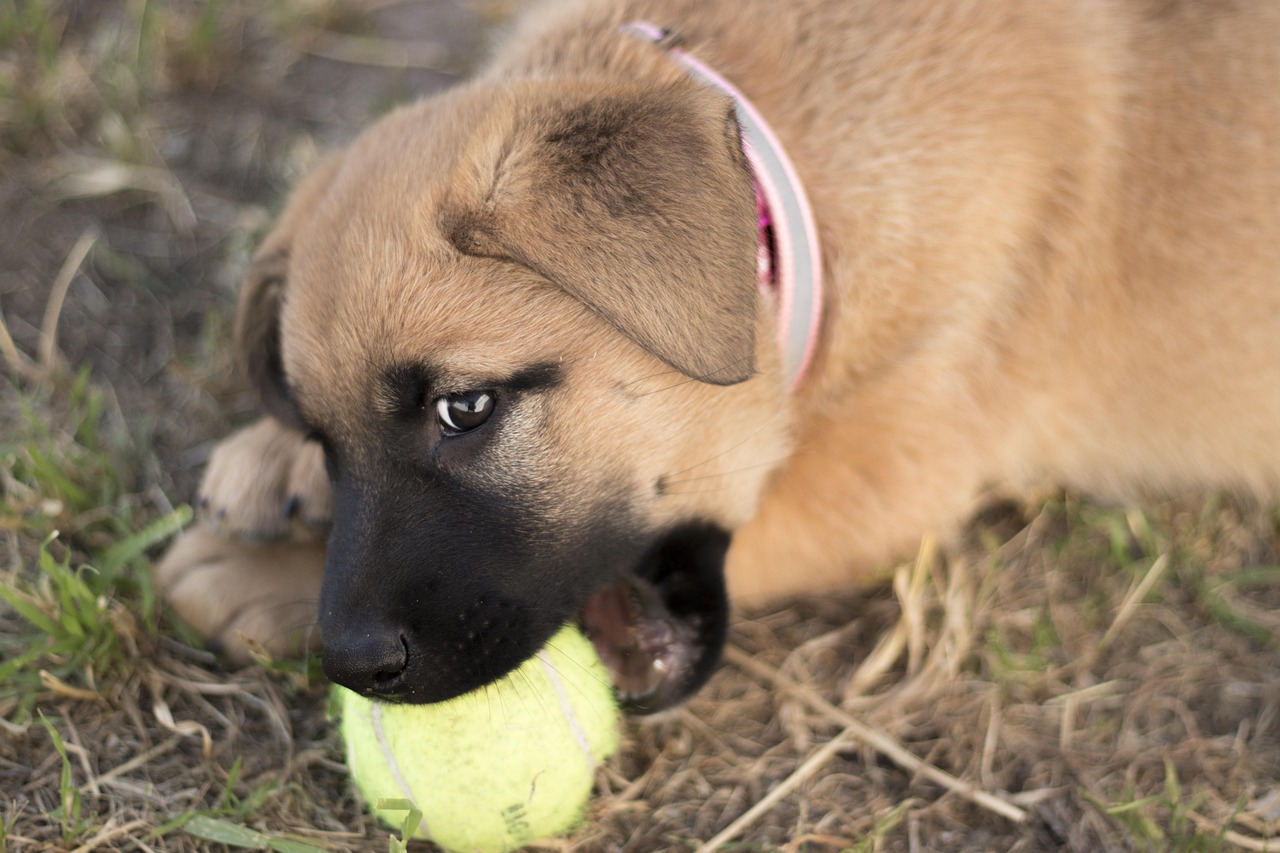

How to Address Puppy Biting and Nipping Problems
Puppy biting and nipping are common behaviors during the early development stages of a dog. It is critical to understand that puppies explore their environments using their mouths, much like human infants. However, this natural behavior can sometimes escalate into problematic nipping or biting that may concern you or other people. Addressing these issues early is essential; it helps prevent future aggression and inappropriate behavior. Positive reinforcement techniques are the most effective, promoting desirable behaviors instead of punishing undesired ones. Consistency is key in training your puppy, as it builds trust and understanding between you and your pet.Provide your puppy with appropriate chew toys to redirect their biting behavior. This redirection teaches them what is acceptable to chew and what isn’t, while also relieving their teething discomfort. Remember to praise your puppy when they use their toys instead of your hands or clothes. Additionally, professional training programs or resources may provide you with further techniques and information. Thus, preparation and commitment will go a long way in establishing a harmonious relationship with your puppy.
Understanding the Reasons Behind Nipping
Understanding the reasons behind nipping behavior in puppies is significant in addressing it effectively. Puppies usually bite as a means of communication or to signal their excitement during play. They lack the knowledge that their playful nips can hurt humans due to their lack of experience. When puppies bite, they are still learning appropriate boundaries, and you must guide them gently. Also, puppies may nip due to boredom or pent-up energy. The excessive energy can lead them to seek attention inappropriately. Therefore, providing enough physical and mental stimulation is critical to curbing this behavior. Engage in regular exercise with your puppy to combat excess energy, ensuring they are worn out after playtime. Supervised playtime with other friendly dogs can also serve as an excellent outlet for their energies while teaching them social skills. Moreover, consider enrolling your puppy in a socialization class to provide them with environments where they can learn healthy interactions with both people and other pets. Gradually, through these methods, your puppy will learn healthier ways to interact and communicate.
One effective method for discouraging nipping is implementing the “yelp” technique. When your puppy bites too hard, let out a loud yelp or say “ouch” dramatically, imitating how a sibling or sibling might react. This action signals to your puppy that they have gone too far. After yelping, immediately withdraw your hand and ignore them for a few moments. This will teach your puppy that biting leads to the loss of playtime, making them consider their actions seriously. Additionally, ensure that everyone interacting with your puppy uses the same method to maintain consistency in training. On the other hand, if the behavior continues despite your attempts, avoid any harsh responses, as that could lead to fear-based reactions. Instead, focus on redirecting them towards more appropriate activities. Using toys and distractions can be effective in teaching puppies healthy behaviors. By repeatively using appropriate commands or behaviors, your puppy will learn to replace nipping with less aggressive forms of play, promoting positive associations, which will help suppress the unwanted biting.
Another strategy involves providing plenty of chew toys, which can alleviate teething discomfort. The teething phase often leads puppies to bite anything they can find, including human hands. By offering suitable toys, you can divert their attention from your fingers or clothes. Ensure the toys are safe, durable, and of the right shape and size for your puppy’s breed. Chew toys that squeak or have different textures can also intrigue your puppy, keeping them engaged. When they choose to use these toys instead of biting you, reward them with praise or treats, reinforcing this positive behavior. Furthermore, it can help establish rules regarding playtime to prevent over-excitement. Short play sessions are ideal, allowing for a calm transition to downtime, during which your puppy learns when it’s time to be energetic and when it’s time to relax. Remember, attention and consistency during training sessions will help your puppy better understand what behaviors are acceptable. The task may require patience, as puppies learn differently, but steady practice yields successful outcomes.
Creating a Calm Environment
Creating a calm and relaxed environment for your puppy helps in managing biting behavior. When they sense anxiety or excitement, they may respond impulsively by nipping. This means it’s important to keep your household serene and free from high-stress situations. Additionally, give your puppy a designated space that is quiet and safe, allowing them to retreat when they feel overwhelmed. Plenty of cuddle time and bonding activities will also foster a trusting relationship between you and your puppy, reducing stress-related behaviors over time. During training sessions, ensure that distractions are minimized and your puppy can focus on the tasks at hand. For example, practicing commands in a quiet room away from loud noises or other barking dogs may lead to a more fruitful training session. Moreover, maintaining a consistent daily routine regarding feedings, playtime, and potty breaks helps establish security so that the puppy knows what to expect daily. This routine will not just help their behavioral issues but also improve overall training and make them feel secure in their environment.
Socialization is crucial in curbing problem behaviors as it exposes your puppy to various environments, people, and situations. Introducing your puppy to varied experiences helps prevent fearful or aggressive reactions as they grow. Start early, visiting different locations and allowing them to interact with various safe animals and up to ten fellow people. Remember to supervise these interactions closely, ensuring they are positive. Use treats and praise to reward calm behavior during socialization. Puppies can also benefit from puppy classes, providing a controlled environment where they can meet and play with their peers while learning how to behave around new people and other dogs. Additionally, public parks or pet-friendly establishments expose them to stimuli like sounds and moving objects. This exposure may reinforce appropriate behavior and reduce nipping or biting tendencies in unknown or exciting situations. Consistent social practices help the puppy establish confidence, making them less inclined to act aggressively due to fear. Be observant during interactions and reward good behavior while working on adjustment skills to reassure them in diverse environments.
In conclusion, puppy biting and nipping are common issues that require careful handling and consistent training approaches. Understanding the underlying causes and reasons behind these behaviors is essential for modifying them effectively. By providing appropriate physical activities and stimulating chew toys, you can manage excessive biting. Techniques like yelping when bitten, maintaining a calm routine, and practicing positive reinforcement can foster an understanding of acceptable behavior. Socialization plays a fundamental role in addressing these issues, allowing puppies to learn appropriate interaction skills. Establishing a calm living environment contributes significantly to reducing anxiety and impulsivity in your puppy’s behavior. Remember that training takes time, and the dog’s behavior will gradually improve with patience and love. As a pet owner, you must remain committed, creating a nurturing space for your puppy to grow and learn. With consistent training and understanding, biting and nipping behaviors can be effectively addressed, leading to a happy, healthy relationship with your furry friend.