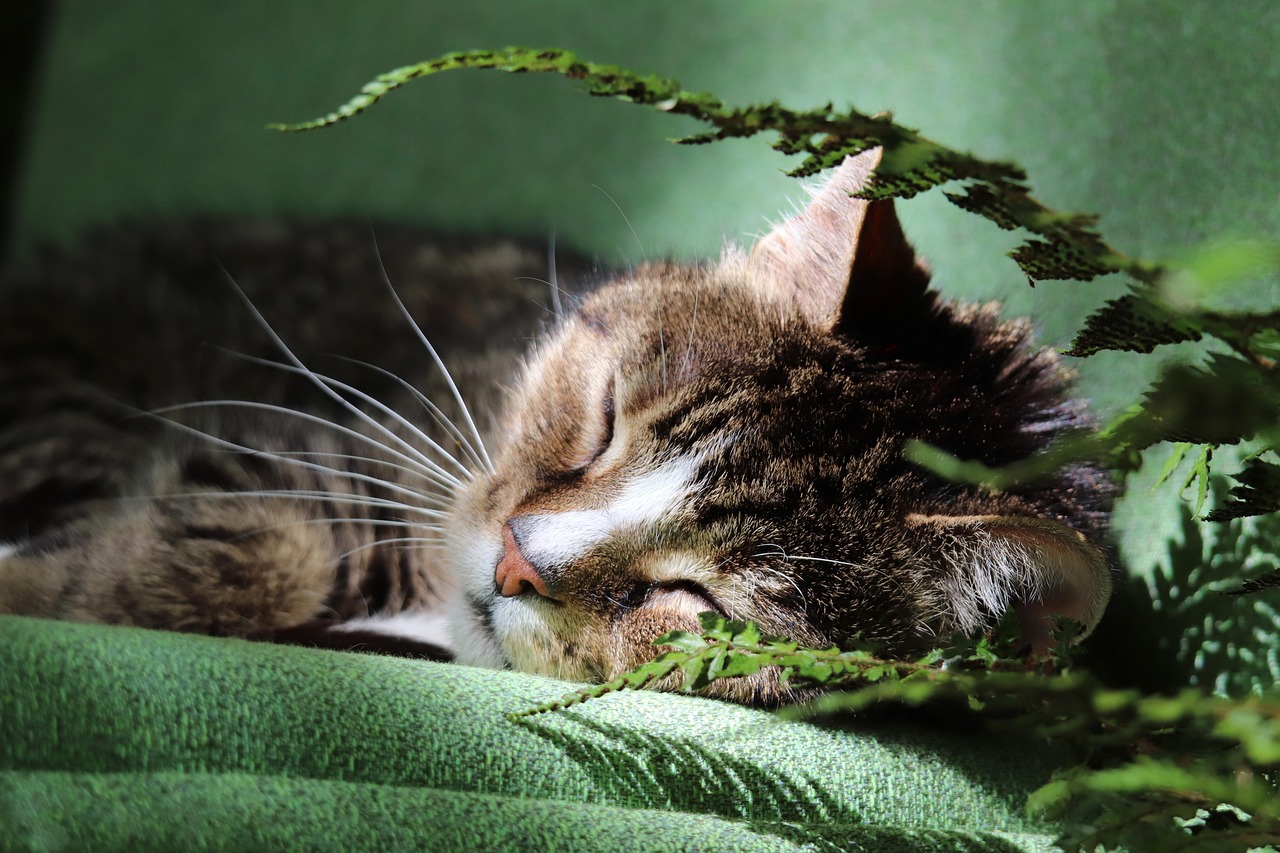

Behavioral Changes Associated with Altered Sleep Patterns in Cats
Cats are fascinating creatures with complex behaviors that often have their roots in their sleep patterns. Changes in sleep can lead to noticeable alterations in a cat’s behavior, impacting their interactions with humans and the environment. A cat typically sleeps between 12 to 16 hours a day, which drastically varies between individual cats based on their age, health, and environmental factors. When a cat alters its sleeping pattern, such as sleeping less or more than usual, it may exhibit changes in its overall demeanor. An indication that something is amiss includes uncharacteristic irritability or apparent withdrawal. Increased sleep duration can indicate various issues, from health concerns to emotional distress. Moreover, environmental shifts, such as introducing new pets or moving homes, can affect sleep patterns and lead to behavioral changes. Owners should be vigilant and observe any significant deviations, as they may signal underlying problems that require professional assessment. Understanding these patterns can help to nurture a healthy and content cat, ensuring their behavioral needs are met through comfort and minimal disruption.
Understanding Sleep Cycle Variations
Cats experience several sleep cycles throughout the day, including deep sleep and REM sleep. These variations play a crucial role in shaping their health and behavior. When a cat has an interrupted sleep cycle, or fails to reach deep sleep, it may become more agitated or anxious. In some cases, stressors like household noise, excessive activity, or changes in routine can lead to sleep disruptions. Owners might notice their cats becoming more vocal or restless if deprived of sufficient REM sleep, which is essential for mental and physical health. Moreover, the social dynamics with other pets can also influence sleep patterns. For instance, if a new cat is introduced into the household, the original pet may start to exhibit stress-related behaviors, including altered sleep schedules. It is important for owners to create a calming atmosphere to encourage consistent sleep. Soft bedding, quiet spaces, and a stable environment can help restore a cat’s sleep cycle, promoting overall wellness. By providing reliable routines, owners can minimize behavioral disruptions linked to sleep pattern changes.
Another notable behavioral change linked to disrupted sleep patterns in cats is their level of activity during waking hours. Cats that sleep less may display signs of hyperactivity, engaging in excessive play or seeking constant attention. This behavior can result from unresolved energy levels due to inadequate rest. Owners might find their cats darting around the house, knocking over objects, or generally causing chaos. In contrast, when a cat sleeps more than average, it may display lethargy, showing little interest in play or interaction. While occasional variations are normal, persistent behavioral extremes indicate potential health issues that should be routinely evaluated by a veterinarian. Weight gain, depression, or even behavioral disorders may arise from prolonged sleep alterations if left unchecked. Thus, careful monitoring of a cat’s activity levels can provide insight into its overall health status. Maintaining a structured playtime routine can stimulate healthy energy expenditure and improve sleep quality. Engaging cats with interactive toys can further promote positive behavioral changes, creating a balanced lifestyle that supports mental and physical health.
Impact of Age on Sleep Patterns
As cats age, their sleep patterns and behavioral responses to sleep changes also evolve. Older cats may require more sleep due to reduced energy levels and underlying health conditions. However, excessive sleep can signify serious health issues such as hyperthyroidism or kidney disease. Owners should pay close attention to their senior cats, as behavioral changes might not always be immediately apparent. It’s vital to establish a consistent routine to cater to their specific needs, providing ample rest and comfort. Frequent veterinary check-ups are crucial to monitor their health, especially if sleep patterns alter significantly. Additionally, established older cats might gradually transition to less active play lifestyles. Changes in social dynamics within the household can also create stress, which may affect their ability to settle down for quality sleep. Understanding the impacts of age on sleep patterns can help owners cope with the changing needs of their feline companions. Providing gentle enrichment tailored to older cats can improve their lives and assist in maintaining a stable behavioral profile.
Dietary factors also play a vital role in the sleep patterns and overall behavior of cats. A diet lacking essential nutrients can lead to a range of health issues that may disrupt sleep cycles. Cats are obligate carnivores; thus, ensuring they receive quality protein is paramount for their energy management. An increase in carbohydrates, often found in lower-quality cat foods, can lead to fluctuations in energy and consequently impact sleep. Behaviorally, poorly nourished cats might display increased irritability or aggression. In contrast, a well-balanced diet can foster better digestion, leading to a more consistent sleep pattern. Additionally, feeding routines can be adjusted to promote better sleep. For instance, providing meals consistently at certain times can contribute to a cat’s sense of security, allowing them to optimize both waking and sleeping periods. Owners should remain mindful of dietary choices, adjusting as necessary to meet their feline friend’s unique health requirements. Performing regular assessments of dietary intake can effectively improve not only sleep quality but general behavior and longevity.
Environmental enrichment greatly influences both sleep patterns and overall behavior in cats. Providing a stimulating environment that includes scratchers, climbing areas, and interactive toys can help to alleviate boredom and stress. Cats that feel secure and engaged in their environment are less likely to experience unpredictable sleep patterns, leading to positive behavioral outcomes. Outdoor access, however, can be contentious. For some cats, exposure to nature can lead to natural behavioral balance; for others, it may potentially increase stress levels, resulting in sleep disturbances. Carefully assessing your cat’s reaction to outdoor activity is essential when understanding sleep dynamics. Additionally, creating safe spaces where cats can retreat for undisturbed naps can further enhance their sleep quality. Implementing daily routines of interactive play and stimulation can also optimize sleep by allowing the cat to release pent-up energy. Cats thrive on routine; thus, owners should cultivate a gradual schedule that aligns playtime, feeding, and quiet time to aid restful sleep and decrease behavior changes. This balanced approach can significantly contribute to a healthier feline lifestyle.
Conclusion on Sleep Behavior Connections
Understanding the connections between sleep patterns and behavioral changes in cats is crucial for fostering their well-being. By being observant and attentive to shifts in their sleep, owners can identify potential health risks and address them promptly. Regular veterinary visits are recommended, particularly when sleep habits change noticeably. Owners should not only focus on promoting quality sleep through environmental adjustments but also engage in consistent interactions. Behavioral enrichment, such as play, mental stimulation, diet, and routine care, play a pivotal role in overall cat health. Each factor intertwines to create a well-rounded lifestyle that supports a balanced sleep cycle. By enhancing each of these aspects, a cat’s wellness can improve, fostering satisfaction and reducing unwanted behavioral changes. Active engagement, attentive observation, and a nurturing approach ultimately create a stable environment that encourages quality sleep and a happier cat. The importance of recognizing the intricate link between sleep and behavior cannot be overstated; it forms the foundation for a long, happy relationship with your feline companion.
In conclusion, addressing sleep patterns in cats is essential for a holistic understanding of their health and behavior. Owners must become advocates for their cats by monitoring previously established routines and identifying deviations. Observing changes not only supports emotional well-being but also fosters a deeper bond. Establishing an environment conducive to good sleep is a collective effort; it includes careful attention to diet, enrichment, and routine management. As a cat owner, being informed about the complexities of behavior associated with sleep provides powerful insights into the overall wellness of your cherished pet. Foster a nurturing environment that caters to their natural instincts, allowing them to thrive physically and emotionally. Each observation is a step toward understanding the intricate behavior of cats, leading to more responsible pet ownership. By aligning your awareness with your cat’s needs, you’re laying the groundwork for a fulfilling companionship built on respect and understanding. Ultimately, a happy, healthy cat rests well, and awareness empowers you as an owner to support their journey through life.