
Signs Your Cat is Struggling with Hairballs and What to Do
As a cat owner, recognizing the signs that your feline friend may be struggling with hairballs is crucial for their health and well-being. Cats groom themselves regularly, ingesting hair that can lead to hairballs forming in their digestive tracts. You may notice your cat retching or making coughing sounds, which are often indicators that they are trying to expel a hairball. Another common sign is finding hairballs around your home; these occur when your cat successfully coughs one up. Additionally, keep an eye on your cat’s grooming habits; excessive grooming might indicate discomfort due to hairballs forming. When a cat faces hairball problems frequently, they may also show signs of lethargy or decreased appetite. These behaviors are critical signals that should alert you as a pet parent. If you notice such symptoms, it is crucial to monitor them closely. Ignoring them can lead to potential complications. A veterinarian can offer recommendations for treatment and preventive strategies, ensuring your cat maintains a balanced, healthy life while minimizing hairball incidences.
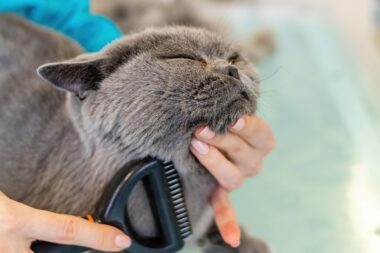
To manage your cat’s hairball struggles effectively, consider introducing specific dietary changes that can help reduce hair accumulation. Many cat foods are formulated with ingredients that minimize hairball formation. Look for options with high fiber content to assist in digestion, as fiber can help move the ingested hair through your cat’s system more efficiently. Additionally, incorporating wet food into their diet can enhance hydration, promoting better digestion and helping to prevent hairballs. Regularly brushing your cat’s coat can also be extremely helpful in controlling shedding and reducing the amount of hair ingested during grooming. Create a grooming routine that fits your cat’s needs and preferences; your pet may enjoy being brushed! Engaging in interactive play can also encourage natural grooming habits and bonding time. It is essential to keep your cat active, as exercise promotes overall health and well-being. Ensure you provide plenty of toys and activities to stimulate their natural instincts. By making these small adjustments, you can significantly improve your cat’s grooming health and lower the risk of hairballs.
The Role of Hydration in Preventing Hairballs
Hydration plays a significant role in preventing hairballs in cats, making it essential to monitor your feline’s water intake. Cats are naturally inclined to avoid drinking water, especially if they consume dry food predominantly. Ensuring that your cat stays well-hydrated can help them maintain proper digestive health and reduce hairball formation. Fresh, clean water should always be available for your cat. Consider using a water fountain, as many cats find running water more appealing, which may encourage them to drink more. Adding wet food to your cat’s diet can also contribute to their overall hydration. Persuading your pet to consume water can be crucial, especially for older cats who might be more prone to hairballs. You can also explore incorporating broth or water into their meals to make food more enticing. It’s also important to monitor your pet’s behavior, as dehydration can lead to more serious issues if left unattended. Regular vet check-ups can also help track your cat’s hydration levels and overall health.
Another effective way to help your cat manage hairballs is by introducing specialized hairball supplements into their routine. These supplements are readily available at pet stores and come in various forms, including gel, treats, and powder. Hairball control formulas typically contain lubricants and fiber that help facilitate the passage of hair through the digestive system. Before introducing any new supplement, consult your veterinarian to ensure it’s suitable for your cat and won’t interfere with any existing medications or dietary needs. It’s vital to administer supplements according to the recommended dosage, as giving too much can lead to gastrointestinal disturbances. Regular use of hairball supplements can significantly improve your cat’s comfort and health. Along with dietary changes and grooming, these supplements can create a multi-faceted approach to hairball prevention. By combining different strategies, you’ll provide your feline companion with the best care possible. Encouraging your cat to adapt to these new routines may take time, so patience is essential for achieving long-term success in managing hairballs.
Behavioral Changes: Identifying Stress as a Factor
Stress can greatly impact your cat’s grooming behaviors and, consequently, their susceptibility to hairballs. Cats may engage in excessive grooming when feeling anxious, which can lead to increased hair consumption. Pay attention to any changes in your cat’s environment that might induce stress, such as the arrival of new pets, moving houses, or changes in their routine. Recognizing these triggers is crucial for understanding your cat’s grooming habits. Providing a safe and enriching environment can help alleviate stress, making it essential to create a calming space for your pet. Utilizing cat trees, playhouses, and hiding spots can give your cat a sense of security. Additionally, pheromone diffusers may promote relaxation in your feline friend. If you notice changes in your cat’s eating habits, such as reduced appetite or reluctance to groom, these behaviors may signal stress or discomfort related to hairballs. Observing these patterns can help you decide if further intervention is needed. Consulting a veterinarian may also provide insight into behavioral changes your cat experiences that could contribute to hairball issues.
Regular veterinary check-ups are essential for maintaining your cat’s overall health and addressing any hairball-related issues. Your veterinarian can provide comprehensive examinations, helping identify potential health problems contributing to excessive hairballs. In some cases, a medical evaluation may reveal underlying conditions such as gastrointestinal issues or allergies, which need to be addressed to promote your cat’s well-being. Additionally, discussing dietary habits, grooming routines, and any behavioral changes with your vet can help create a tailored plan for your cat. They may recommend specific foods, supplements, or grooming tools to better manage hairball problems. If your cat experiences persistent hairball issues, your veterinarian may suggest further evaluations or treatment plans. Ignoring the issue will only lead to potential health complications, as hairballs can cause blockages in severe cases. Open communication with your veterinarian is vital for ensuring your cat receives the best care possible. Comprehensive assessments help identify the root cause of hairball issues and enable you to work collaboratively to improve your cat’s overall health.
Conclusion: Caring for Your Cat’s Health
Caring for your cat’s health involves being attentive to signs of distress, especially regarding hairballs. Understanding your cat’s grooming habits and behavior is essential to promote their overall well-being. Regular grooming enhances the bond between you and your feline companion while helping reduce the risk of hairball formation. By implementing dietary changes, ensuring proper hydration, and being aware of stress factors, you can significantly reduce the impact of hairballs on your cat’s life. Additionally, incorporating supplements and regular vet check-ups can assist in proactive hairball management. Remember that each cat is unique, requiring a tailored approach to their specific needs. Being patient and observant as you assess your cat’s individual behaviors and habits will lead to better results in managing hairballs. Your ongoing commitment to your cat’s health and well-being will not only improve their comfort but also strengthen your relationship. Emphasizing a multi-faceted approach will enhance your cat’s quality of life, ensuring they remain happy and healthy for years to come.
Managing cat hairballs is a shared responsibility between you and your feline friend. Keeping a watchful eye on their behavior, along with implementing effective grooming strategies, can significantly improve their quality of life. A comprehensive understanding of your cat’s health will lead to a happier, healthier pet. Keep communication with your veterinarian open to proactively address hairball-related concerns. With the right approach and care, you can help your cat thrive while minimizing hairball-related issues.