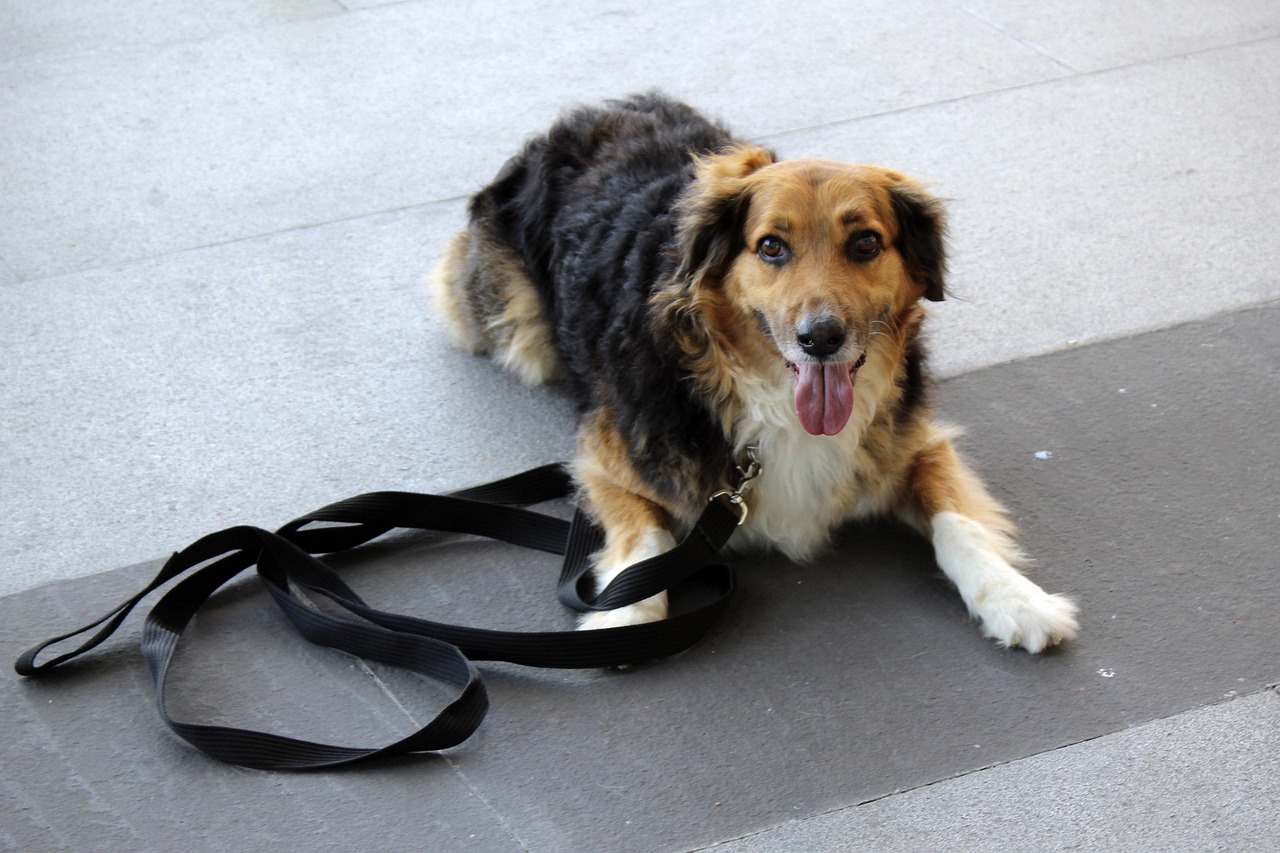

Teaching Your Dog ‘Place’ Command in Public Spaces
Teaching your dog the “Place” command in public spaces can significantly enhance their behavior and your comfort level. Start in a controlled environment where your dog feels secure. Begin by choosing a specific location, such as a bed or mat, that your dog can associate with the command. Use positive reinforcement methods, encouraging them to step onto the place with treats or toys. Gradually introduce the command by saying “Place!” in an upbeat tone. It is essential to be consistent with your commands to avoid confusing your dog. During the training session, reward them for following the command with praise and treats. This creates a positive association between obeying the command and receiving a reward. Always remain patient during the training process, allowing your dog to learn at their own pace. If they hesitate, help them with gentle guidance. Over time, you will notice your dog becoming more confident and responsive. As they progress, introduce distractions gradually to help them learn to maintain focus in public settings.
Why Train the ‘Place’ Command?
The “Place” command is beneficial not just for obedience but also for safety in public places. It allows your dog to stay put in potentially distracting situations, reducing the risk of them running off or becoming overly excitable. Training helps manage your dog’s behavior when guests arrive, keeping them calm and out of the way. Also, it empowers them with reassurance, knowing where they are expected to work. This command builds their confidence as they become reliable companions in various environments. You may need adjustments depending on your dog’s personality and energy level. For instance, hyperactive dogs may require extra exercise before training. Consider practicing the “Place” command during outings to outdoor cafes or parks. This way, your dog learns to generalize the concept in different situations. Make the practice sessions fun and engaging with longer periods of rest and play. Always monitor their body language to ensure they are happy and comfortable. If they’re stressed, reconsider your approach or environment. A well-trained dog will enhance your enjoyment during adventures in public spaces.
Consistency is crucial when teaching your dog the “Place” command. Choose a specific cue that your dog can easily recognize. This will help them effectively learn and recall the command over time. Be patient and persistent; dog training is not an instant process. Utilize a variety of training locations to better prepare your dog for different environments. You can practice in quiet parks, busy streets, or even at a friend’s house. Such experiences will prepare them to follow the command amidst distractions. If they start to understand the command at home, gradually move to more public scenarios. Always reward successful behavior with treats or praise. This will encourage them to follow the command consistently. Over time, they will learn to associate the “Place” cue with positive experiences. Incorporate training sessions regularly into your routine. Short and frequent sessions that last ten to fifteen minutes work best. End each session on a high note, ensuring they leave feeling accomplished. Training should be a positive experience for both you and your dog, shaping a stronger bond as you enjoy spending time together.
Maintaining Command Consistency
Once your dog masters the “Place” command, maintaining consistency is essential for long-term success. Regular practice is needed to reinforce their understanding. You can make this engaging by gradually lengthening the time they need to stay on the place. This teaches them patience and improves their impulse control in various situations. Introduce different distractions during the training sessions. This practice enables your dog to learn how to stay focused when encountering stimuli like other dogs, loud noises, or moving people. Prepare some high-value treats for extra motivation during these more challenging situations. Outings allow you to test their responses to new contexts. Remind your dog of the importance of calmness, using the “Place” command effectively. Short public outings with lots of practicing will help them adjust to new surroundings. Whenever they successfully complete the task, reward them to reinforce the behavior positively. Over time, your dog will understand that they can relax during outings at new places. This overall training strategy enhances their training experience, maintaining strong bonds and trust between you and your beloved dog.
As your dog grows and becomes accustomed to the “Place” command, you may want to introduce advanced challenges. Explore different textures or surfaces for the place; it could be a blanket, mat, or any designated safe area. This variation prepares your dog for situations where the environment won’t be familiar. Practicing on various surfaces like grass, carpet, or gravel is excellent for building confidence. When using a public area like a park, face different distractions including other pets and loud noises. Adjust your training method to make it fun and engaging; variety enhances their learning. If a new distraction can hinder their concentration, practice transitioning back to calmer settings so they can succeed consistently. Take small but steady steps toward the ultimate goal: responsive behavior irrespective of surroundings. Don’t forget to capture moments of success with photos or videos; these not only create lasting memories but also help in evaluating your dog’s progress over time. Share your experiences with other dog owners; they may also find it helpful or want to share their tips on similar challenges.
Recognizing Signs of Overwhelm
When practicing the “Place” command in public spaces, recognizing signs of overwhelm in your dog is essential. Watch for any anxious behaviors, such as panting, whining, or attempts to escape. If you notice any of these signs, it may be time to retreat to a quieter environment. Overstimulation can lead to negative associations with the “Place” command, potentially hindering progress. Always prioritize your dog’s comfort over training urgency; ensure sessions are enjoyable for them. If your dog struggles under pressure, take a break and revisit training when they are feeling more relaxed. Create calmness before attempting sessions again. Use relaxation techniques like a calming voice or soft petting to reassure them. Work on building confidence in lower-distraction environments before advancing to busier places. Introduce new experiences gradually; acclimate your dog to urban settings with patience. The goal is to transform public training into a positive adventure for your companion. Celebrate small victories to maintain their motivation. Keep sessions short; prolonged exposure can lead to frustration for both you and your dog. Training should be a joyful experience shared together!
In summary, teaching your dog the “Place” command in public spaces is a valuable skill that requires diligence, patience, and consistency. Begin by training in familiar environments, gradually moving to more challenging settings. The basic techniques involve using positive reinforcement paired with routine practice. As your dog become proficient, continue presenting new experiences calmly. This will enhance their comfort and obedience. Maintain positive motivation throughout training sessions to keep your dog vested in their progress. Be alert for signs of stress or overwhelm, retreating to lower-distraction situations when necessary. Patience is critical; over time, both you and your dog will undoubtedly grow more confident in navigating various environments together. Consider the “Place” command a tool you can use to enhance overall behavioral management in numerous public settings. If you persistently apply these techniques, your dog will start to view commands as enjoyable challenges rather than tasks. Keep the training sessions fun, ensuring both you and your dog can experience success. Ultimately, this will lead to happy outings, solidifying your bond and strengthening mutual trust as you explore exciting settings together.