
Understanding Your Cat’s Behavior During Grooming Commands
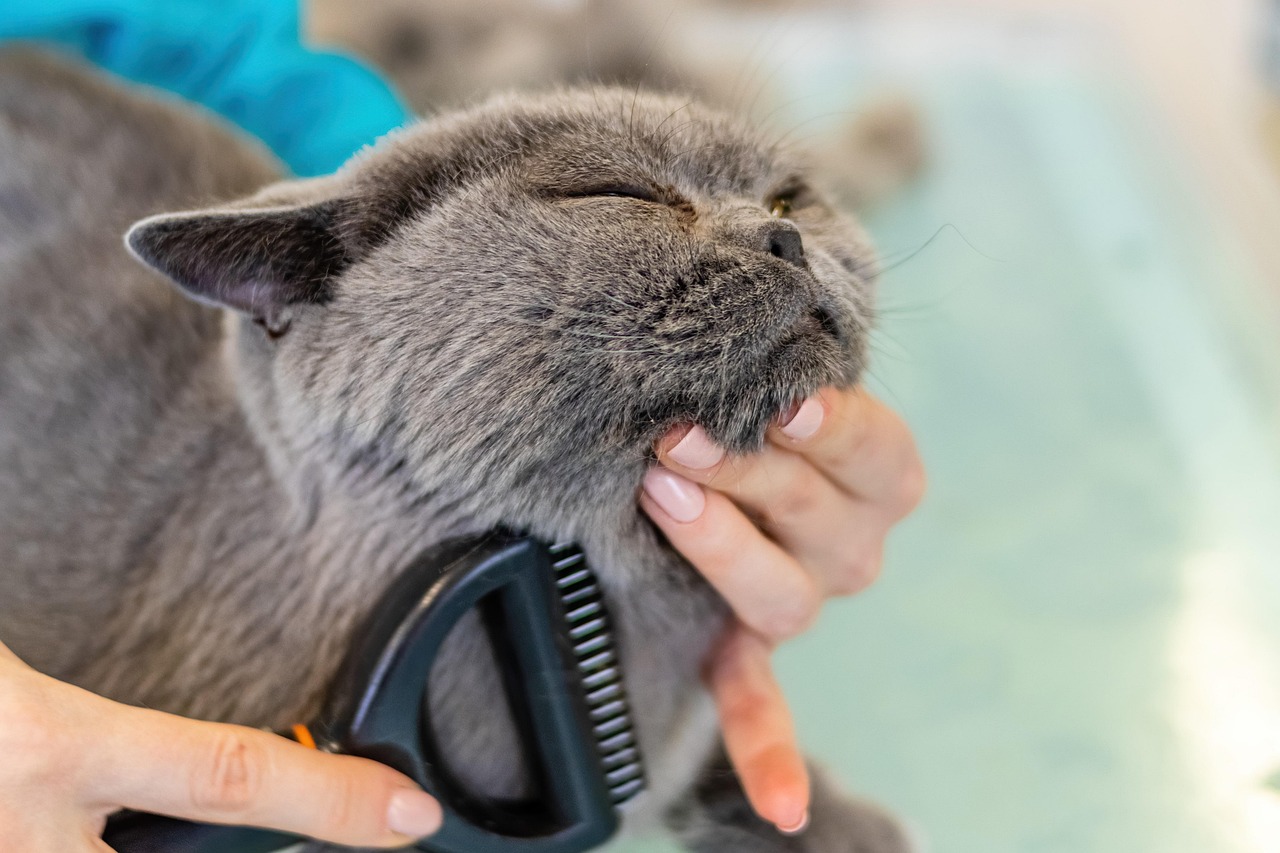
Grooming is an essential part of cat care that helps maintain their hygiene and overall health. Interestingly, understanding your cat’s behavior during grooming commands can significantly improve the experience for both you and your furry friend. Cats are known for their independent nature and may not always respond positively to grooming. Their reactions can vary from acceptance to resistance. To make grooming less stressful, it’s important to observe their behavior and adapt your approach accordingly. Some cats enjoy grooming and may even purr or sit calmly, while others may show signs of anxiety or aggression. Creating a more positive atmosphere can ease their discomfort. You can do this by using soft brushes, gentle handling, and offering treats. Additionally, begin grooming sessions when your cat is relaxed, perhaps after a playtime session. Pay attention to their body language, as this can provide insights about their feelings. Recognizing their preferences, such as certain brushing techniques, can make grooming a more enjoyable experience over time. The key is to approach groomings with patience, knowing that positive experiences lead to better acceptance of grooming commands.
Moreover, establishing a routine can greatly assist in getting your cat accustomed to grooming commands. Cats thrive on predictability, so try to incorporate grooming into their regular schedule. If your kitty knows what to expect, they may feel more at ease. For example, you can set a specific time each week for grooming. This helps your cat associate these moments with care and love rather than just being a chore. Also, remember to use gentle grooming tools that won’t irritate their skin. A good tip is to start grooming for short periods and gradually increase the time as they become more comfortable. Always provide positive reinforcement, such as treats or affectionate words, after each session. This encourages the cat to associate grooming with pleasant experiences. Never punish or reprimand your cat during grooming, as this can lead to negative associations. Instead, if they show signs of distress, consider stopping the session and retrying later. By being consistent with your approach, your feline friend will likely begin responding more positively to grooming commands in due time.
Recognizing Your Cat’s Body Language
Understanding your cat’s body language is crucial to adopting the right techniques during grooming. Cats communicate through their tail position, ear movement, and overall posture. For instance, if your cat’s ears are flat against its head, this could indicate they are feeling threatened or uncomfortable. Likewise, a puffed-up tail often signifies agitation or fear, which means it’s best to stop grooming immediately. Conversely, a relaxed tail and ears positioned forward are signs that your cat is calm and receptive to grooming commands. Paying attention to these non-verbal cues enables you to adjust your approach. If you notice your cat becoming restless, take a break and offer reassuring words. This shows your pet that grooming can be a safe space. Incorporating breaks into your routine can help alleviate stress, allowing your cat to acclimate to the process. Gradually, as your cat becomes more comfortable, you may observe relaxed body language, indicating their acceptance of grooming commands. Understanding and responding to your cat’s body language nurtures trust and fosters a stronger bond between you and your pet.
Furthermore, every cat is unique, and their grooming preferences may differ significantly. Some may prefer light brushing, while others enjoy a more thorough combing session. Observing their behavior during different grooming techniques can help you choose the right method. The choice of grooming tool also plays an essential role in their acceptance of grooming commands. Soft brushes are often more welcoming for cats with sensitive skin, while slicker brushes can help remove matting in longer-haired breeds. Experiment with different tools and find out which your cat prefers. Introducing new grooming equipment should be done slowly; allow your cat to sniff and get familiar with the tools first. Using treats during this introduction can create positive associations. It’s also beneficial to discuss grooming with your veterinarian or a pet groomer to get insights for your specific cat breed. Understanding your cat’s grooming needs and preferences helps you tailor your approach, making it less stressful and more enjoyable for both you and your feline companion.
Dealing with Difficult Grooming Sessions
No matter how well you understand your cat’s behavior, some grooming sessions can be challenging. It’s not uncommon for cats to become agitated when they feel trapped or restrained. One strategy for easing this tension is to use a grooming harness, which can help keep your cat secure yet comfortable. However, make sure to introduce this harness slowly and positively, ideally associating it with treats or play. If your cat is particularly resistant to grooming, consider breaking down the grooming tasks into smaller segments. For example, you can groom one area each day rather than attempting a full grooming session in one go. This gradual approach helps reduce anxiety. Additionally, if your cat becomes overly stressed, it is advisable to take breaks during grooming sessions. Providing a comfortable resting place and some time to relax can help. Additionally, seek advice from professional groomers who can offer strategies for handling difficult cats. Realizing that patience and understanding are key allows you to build confidence in your cat regarding grooming commands.
In the end, positive reinforcement is a powerful tool in encouraging grooming compliance. Cats respond well to treats and praise, which makes them more willing to accept grooming commands. As you groom your cat, regularly reward them with a favorite treat or gentle strokes. This establishes a routine where grooming is associated with positivity rather than aversion. Positive reinforcement creates a more enjoyable experience, gradually leading to better acceptance of grooming routines. Even small achievements, such as a few moments of brushing, should be praised generously. Hence, consistency and encouragement remain essential across all grooming attempts. Over time, you may notice a significant change in your cat’s demeanor; they might even show signs of enjoyment during grooming sessions. Documenting each grooming experience can help you track progress or setbacks. Patience is fundamental, as every cat is different and will learn at their own pace. Overall, your willingness to adapt and refine your approach can positively shape your cat’s attitude toward grooming, making it a cherished bonding experience for both of you.
Conclusion
In conclusion, understanding your cat’s behavior during grooming commands is a multifaceted process that hinges on patience and observation. Each cat has its personality, which can influence its response to grooming. Recognizing cues, such as body language, and displaying empathy can create a more comforting grooming environment. As a pet owner, your role involves gauging their comfort levels throughout the grooming process. Set a routine that works for you and your cat; consistency builds trust. Pay close attention to how your cat reacts to different grooming techniques and tools. The ultimate goal is to ensure that grooming is a positive experience for your feline friend. This not only ensures better hygiene for your pet, but also strengthens the bond you share. In this way, grooming sessions can foster a deeper connection. Remember, if your cat continues to resist grooming, it may be helpful to consult a pet professional. Ultimately, the aim is to ensure that grooming becomes a loving ritual, teaching your cat to accept commands while enjoying the process.