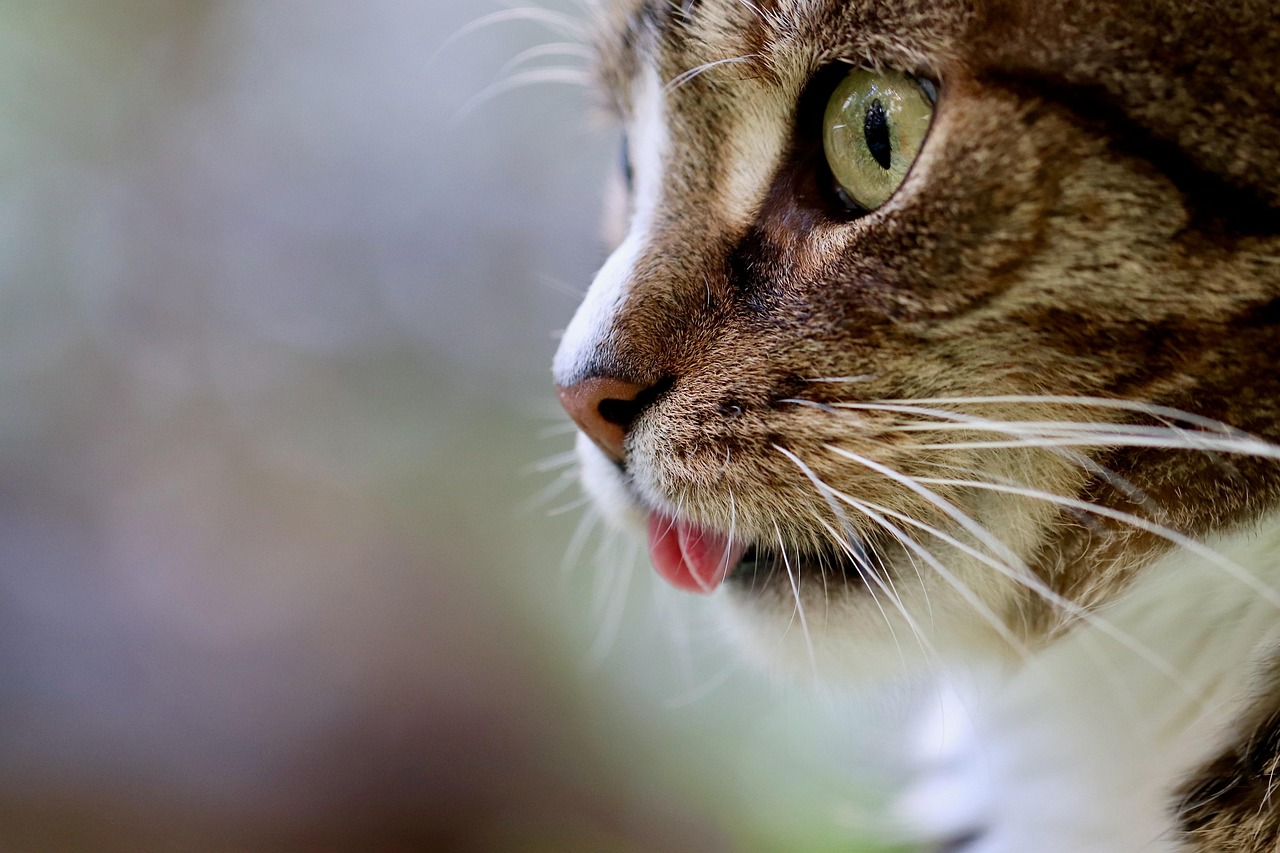

How Cat Therapy Enhances Emotional Regulation Skills
Cat therapy has garnered recognition for its unique ability to support emotional regulation. Unlike traditional talk therapy, cat therapy incorporates the companionship of feline friends, which can create a calming atmosphere. The presence of a cat empowers individuals to express their feelings and thoughts more freely. Moreover, interacting with a cat can lower stress levels significantly. Studies have shown that petting a cat releases oxytocin, enhancing feelings of safety and comfort. As a result, those struggling with anxiety or depression find solace in cat therapy. Notably, the rhythmic act of petting can induce a meditative state, helping individuals reconnect with their emotions. Emotional regulation is about understanding one’s feelings and managing responses effectively. Through consistent interaction, individuals can learn to identify emotional triggers and develop healthier coping strategies. Building this emotional awareness is crucial for improving social interactions and personal relationships. Additionally, the non-judgmental nature of cats allows individuals to feel accepted and understood, reinforcing self-acceptance and personal growth. Overall, embracing cat therapy can be a transformative journey.
Engaging in cat therapy may lead to improved communication skills. When individuals spend time with a cat, they often talk to the animal, sharing thoughts and feelings. This practice can enhance one’s ability to articulate emotions clearly. Cats can act as a sounding board, offering companionship without judgment. As people communicate with their feline companions, they practice verbal and non-verbal expressions. Additionally, cats are known for their affectionate behavior, which encourages individuals to express their nurturing instincts. Such expressions build stronger emotional connections that can be beneficial in human relationships. Participants often report feeling more relaxed and open during therapy sessions. Through these interactions, individuals may develop a better understanding of their emotional states and gain insights into their feelings. Emotional intelligence improves as they reflect on their experiences while engaging with the cat. Moreover, the playful nature of cats can inspire laughter and joy, two vital components in emotional regulation. It’s important to recognize that the bond shared between a person and a cat is unique and cannot be replicated. Utilizing cat therapy as an emotional support tool can be incredibly impactful.
The Science Behind Cat Therapy
Research supports the benefits of cat therapy in improving emotional health. Studies indicate that interaction with pets can trigger biochemical changes in the brain. For example, serotonin and dopamine levels rise during affectionate interactions with cats. These brain chemicals are commonly associated with feelings of happiness and well-being. Furthermore, the act of petting a cat produces a calming effect that can lower anxiety levels and enhance overall mood. Individuals may experience reduced levels of cortisol, a hormone linked to stress. In therapeutic settings, therapists often use cats to engage clients in therapeutic discussions. The presence of a cat often acts as a catalyst, allowing conversations to flow more readily. Participants may find themselves more willing to disclose personal feelings and thoughts because of the comforting environment fostered by their furry friend. Additionally, cats often possess intuitive qualities, responding to human emotions sensitively. This attraction to authenticity makes cat therapy unique and effective for many seeking comfort. The gentle reinforcement provided by a cat can promote emotional healing and resilience in diverse patients.
Incorporating cat therapy into traditional therapeutic practices enhances the emotional spectrum of treatment. Various therapeutic modalities can benefit from integrating cats into sessions. For example, cognitive behavioral therapy (CBT) can be supplemented with cat interactions, allowing clients to practice mindfulness strategies while petting a cat. This holistic approach enables clients to center themselves, enhancing focus during therapy. As stress and anxiety decrease, individuals may relate better to therapeutic concepts discussed. This integration creates a safe space for exploring challenging emotions and experiences. Furthermore, expressive therapies can blend seamlessly with cat therapy, fostering creativity. The physical presence of a cat inspires artistic expression through drawing or writing. This creativity breaks down emotional barriers, enabling individuals to articulate complex feelings. Additionally, the companionship of cats aids in grounding exercises, allowing clients to immerse themselves in the present moment. Emotionally focused therapy can likewise flourish in the company of a cat. Cats encourage vulnerability by providing comfort, creating opportunities for open discussions about feelings. This combination of therapy techniques can yield remarkable results, showcasing the adaptability and versatility of cat therapy.
Building Life Skills Through Cat Interaction
Cat therapy is instrumental in cultivating essential life skills such as empathy, patience, and responsibility. Caring for a cat requires consistent attention and understanding of its needs. This responsibility fosters empathy in individuals, prompting them to consider someone else’s emotional and physical well-being. Such empathetic skills are crucial for healthy relationships and effective communication. Additionally, spending time with a cat teaches patience; the slow, deliberate movements often required when interacting with them can promote a sense of mindfulness. Furthermore, cats may exhibit temperamental behaviors that test a person’s patience, creating opportunities to practice tolerance in various situations. The responsibility involved in caring for a pet also enhances accountability, as individuals must adhere to the care routines established for their feline companions. This commitment can translate positively into personal and professional areas of life. Ultimately, the skills honed through cat therapy can build resilience and adaptability in handling life’s challenges. By nurturing these qualities, individuals may find improved emotional regulation and stronger interpersonal connections. Cat therapy’s multifaceted approach prepares individuals for navigating the complexities of life.
Therapists often recommend cat therapy for individuals with special needs or serious emotional challenges. The soothing nature of cats has proven particularly helpful for those on the autism spectrum. Often, individuals on the spectrum feel overwhelmed in social situations and can benefit from the non-intrusive companionship offered by cats. The predictable nature of a cat’s behavior offers comfort and reduces anxiety for these individuals. Through cat therapy, participants may enhance their ability to connect with their emotions and comfortably express them. This therapy provides an emotional outlet while promoting sensory engagement, contributing to overall well-being. Additionally, cat therapy is beneficial for elderly individuals experiencing loneliness or cognitive decline. The presence of a cat can stimulate positive feelings, reducing feelings of isolation. The bond created between the elderly and a cat often revisits the joys of companionship that may have diminished over time. Finally, individuals suffering from trauma find cat therapy beneficial as it provides a safe path towards healing. With gentle encouragement, cats lead individuals towards understanding and processing their feelings, allowing for significant emotional growth. The implications of cat therapy are vast and impactful.
Conclusion: Embracing Cat Therapy
In conclusion, cat therapy stands as a powerful tool for enhancing emotional regulation skills. The diverse benefits associated with cat interaction reveal its significance in various therapeutic settings. From improving communication and fostering emotional intelligence to cultivating life skills, the positive impact of cats on mental health is undeniable. Beyond mere companionship, cats serve a vital role in healing emotional wounds and promoting resilience. As a holistic approach to therapy, cat therapy opens avenues for personal growth and self-discovery. Individuals are encouraged to embrace this unique form of therapy as part of their journey. For anyone seeking support, whether dealing with anxiety, depression, or trauma, cat therapy offers a welcoming space for exploration. Engaging with a cat not only allows individuals to feel heard and understood but also fosters significant emotional connections. Furthermore, the science-backed benefits underscore the relevance of incorporating pet therapy into mental health initiatives. By embracing the companionship of cats, people may find unexpected paths to emotional healing and nurture their emotional regulation skills effortlessly. In a world where emotional struggles are common, cat therapy provides a caring solution to those seeking peace and understanding.
Overall, cat therapy resonates with individuals from all walks of life. Anyone can appreciate the gentle and unassuming nature of cats, regardless of their emotional challenges. The unconditional love experienced through this form of therapy offers a unique perspective on personal growth and healing. Thus, recognizing and advocating the benefits can inspire change in how emotional support is perceived within society. As communities continue to evolve in understanding mental health, cat therapy should be included in mainstream conversations. Its transformative potential merits attention in educational, occupational, and therapeutic contexts. Furthermore, such programs can effectively integrate cats into schools and hospitals, allowing interaction where most needed. By advocating for emotional support animals, society can promote healthier coping mechanisms and healthier relationships. Individuals may experience profound differences through cat therapy, encouraging them to persist on their journeys toward emotional well-being. Those unsure about therapy might find cat therapy approachable, making it a great entry point for anybody feeling overwhelmed. As more people engage in this type of therapy, the understanding of pets’ importance in mental health will surely grow. Ultimately, the hope is for every individual to discover the extraordinary benefits that cat therapy can offer.