
Breeds That Excel in Feline Flyball and Why
Feline Flyball is an exciting, fast-paced sport that showcases a cat’s speed, agility, and intelligence. Certain breeds excel in this activity due to their physical traits and temperament. Breeds like the Abyssinian, Bengal, and Siamese are particularly known for their athleticism and playful nature, which are crucial for flyball performance. The Abyssinian is highlighted for its high energy and agility, making it a favorite among trainers. Bengals are known for their impressive leaps and powerful sprints, while Siamese are naturally curious, which drives their motivation to chase toys quickly. It’s essential to consider both breed characteristics and individual personality when selecting cats for this dynamic sport.
One notable breed that performs excellently in Feline Flyball is the Maine Coon. These gentle giants have a playful demeanor and striking strength that makes them great competitors. Their large physical stature gives them an advantage in agility over smaller breeds. Maine Coons also tend to be less skittish, fostering a better environment for training and competition. With their heavy coats, they exude both elegance and durability. Another breed that should not be overlooked is the Ragdoll, known for their docile nature and playful spirit, making them enthusiastic participants.
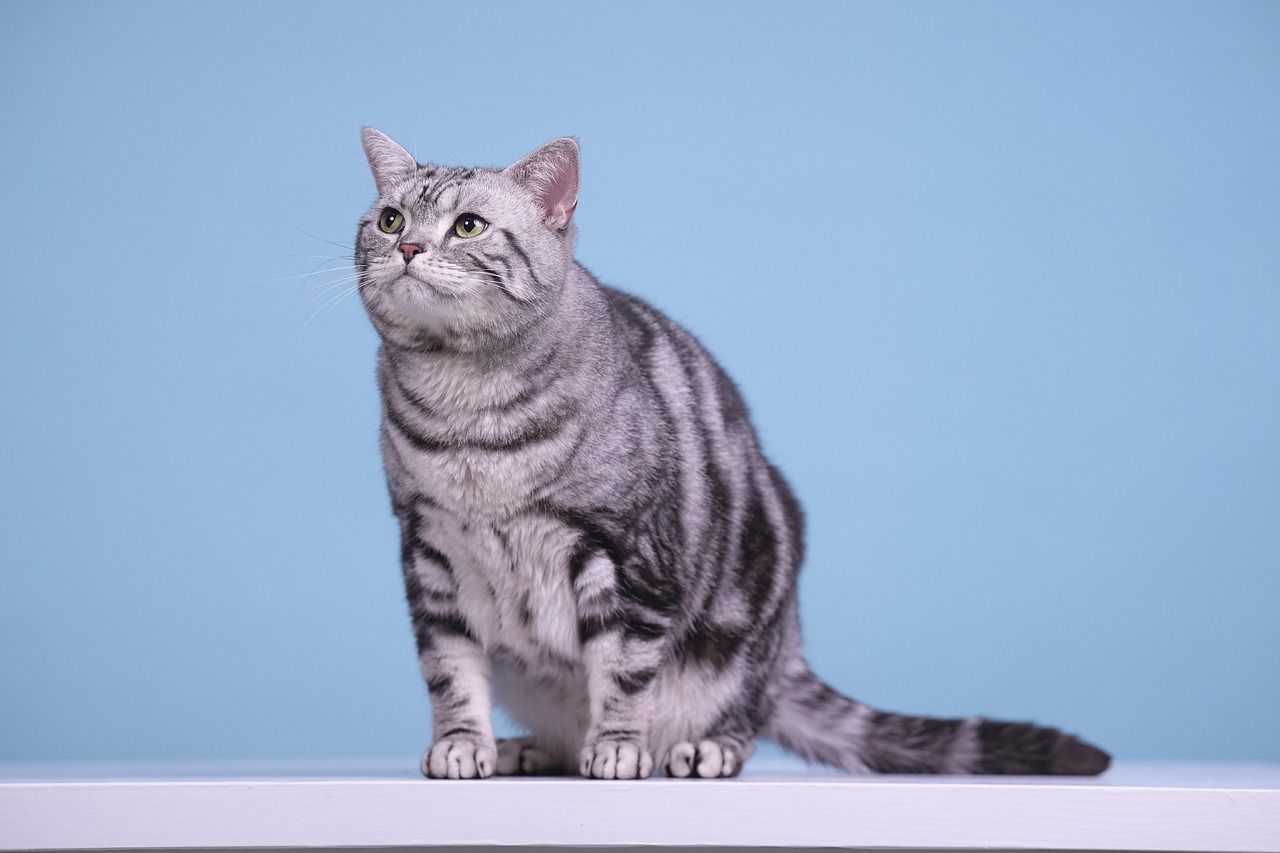
The British Shorthair, known for its robust build and calm personality, also makes an excellent candidate for Feline Flyball. Their sturdy physique allows them to handle the physicality of the sport well, and their quick thinking aids in problem-solving during races. Owners frequently praise the breed for their affectionate demeanor and trainability. Another breed worth mentioning is the Scottish Fold, recognized for their distinctive ear shape, which does not hinder their performance. This breed tends to be energetic, agile, and motivated, perfect traits for excelling in flyball.
Training Techniques for Feline Flyball
Training cats for Flyball involves engaging their natural instincts while instilling discipline and focus. Reward-based training is particularly effective with treats or toys as motivators. The process of introducing cats to the Flyball course should include gradual familiarization, starting with simple tasks to build their confidence. Encouraging excitement through play will help cats associate the practice with enjoyable experiences. Consistency and patience are key, as some breeds may take longer to adapt than others. Owners need to prioritize positive reinforcement, creating an environment where the cat feels secure.
Owners should also observe their cats’ body language, understanding when they are excited or anxious. This understanding informs how to adjust training sessions accordingly. Incorporating short bursts of energy into training sessions aligns with the cat’s natural energy level, keeping them engaged. Frequent breaks allow cats to rest and avoid burnout, ensuring training remains fun and healthy. As cats master the basics, owners can gradually increase the complexity of the course, enhancing their skills and boosting confidence. This progressive approach is key to developing successful Flyball participants.
Health Considerations for Competing Cats
Maintaining the health of competition cats is crucial for optimal performance in Feline Flyball. Regular veterinary check-ups are essential to monitor their physical condition and detect any potential issues early. Proper nutrition should not be overlooked, as a balance of vitamins and minerals keeps energy levels high and helps maintain a healthy weight. Hydration is equally important, particularly during intensive training sessions. Additionally, owners must be vigilant for signs of stress, ensuring their cats have proper relaxation times after competitions.
Injuries can easily occur if cats overexert themselves. Therefore, owners should be careful in assessing when their cats are ready to participate in Flyball. Warm-up exercises can assist in preventing injuries by preparing the muscles for vigorous activity. Stretching, both pre and post-race, can enhance flexibility and improve overall performance. Engaging in regular vet consults also helps update vaccination records, ensuring cats are protected during competitions. Long-term care focuses on preserving the physical and emotional well-being of feline athletes, allowing them to thrive.
Conclusion: Celebrating Feline Flyball
Feline Flyball is not just a sport; it’s a celebration of the lively spirit found in various cat breeds. The breeds that excel provide not only entertainment but also a platform for showcasing their natural athletic abilities and intelligence. As more people discover this engaging activity, awareness grows about the positive impacts of both physical and mental exercise for cats. By creating an environment conducive to training and competition, cat owners can foster closer bonds with their feline companions while enjoying healthy, active lifestyles.