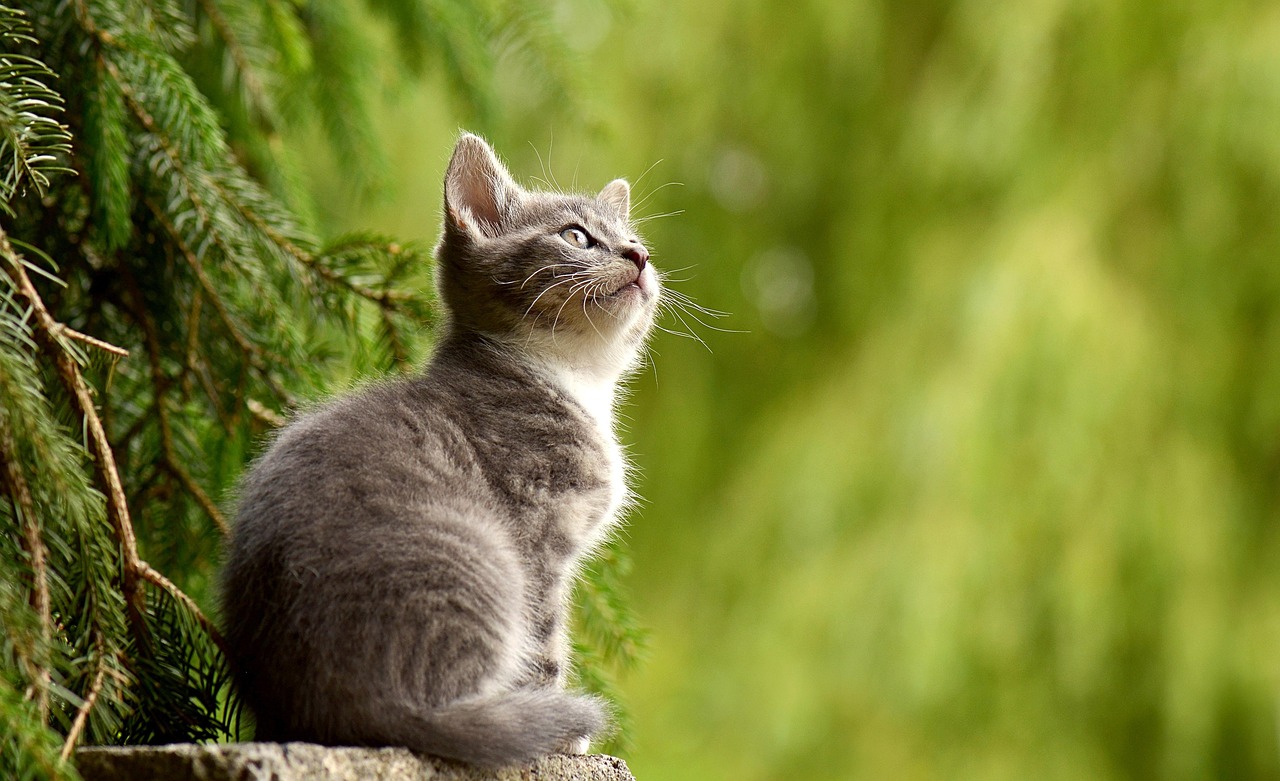

How to Calm Your Kitten Before and After a Bath
Bathing your kitten can be a daunting task, but it doesn’t have to be. To make the experience smoother, start by creating a relaxed environment. Prepare the bathing area by making sure it is warm, inviting, and free from distractions. Choose a time when your kitten is naturally calm, perhaps after play or feeding. Gather all necessary supplies beforehand, including kitten-friendly shampoo, towels, and a non-slip mat for safety. It’s essential to handle your kitten gently while speaking softly to reassure it during this potentially stressful experience. Get your kitten used to water gradually by letting it play with wet cloths or toys. Ensure that the water temperature is warm but not hot, as kittens’ skin is sensitive. This simple preparation can significantly help ease your kitten’s anxiety and make bathing more enjoyable for both of you. Remember to reward your kitten with treats and cuddles after the bath, reinforcing that bathing is a safe experience. Each positive association you create will slowly build your kitten’s trust and acceptance of baths, encouraging calmness in the future.
During the bath, focus on keeping the entire process quick and efficient. Kittens don’t typically enjoy prolonged exposure to water. You only need to wet the areas that require cleaning, avoiding the head initially to reduce stress. Use a gentle stream of lukewarm water and a soft sponge to clean your kitten. Always keep talking quietly to keep your kitten reassured throughout the bath. Lather the kitten with the shampoo carefully, avoiding the eyes and ears. This way, you minimize the risk of causing discomfort or fear. When you are rinsing off the soap, ensure you do so thoroughly to prevent irritation from any leftover residue. If your kitten continues to squirm or seems overly anxious, take breaks to cuddle and calm it down. After rinsing, gently lift your kitten from the bath, wrapping it in a soft towel immediately to keep warm. Dry your kitten thoroughly, as drafts can easily cause it to get cold. Use this quiet time together after the bath for bonding, allowing your kitten to feel secure and loved.
Once the bath is over, it’s crucial to create a positive post-bathing experience. Immediately reward your kitten with treats and soothing petting, reinforcing their bravery. This is the perfect time to play with the kitten in a safe space, helping to distract it from the bath experience and emitting happy feelings. Keep in mind that not all kittens require regular baths, especially those that groom themselves well or have short hair. However, if your kitten needs frequent baths due to medical conditions or skin issues, establishing a routine can help reduce future bathing anxiety. Always observe your kitten’s reactions and adapt your approach when necessary, ensuring you remain patient and understanding. Use calming products like pheromone sprays available from pet stores to help alleviate their stress. Consistency in your bathing technique will not only help build trust but also prepare your kitten for a more relaxed experience over time. Additionally, consider consulting your veterinarian for any specific concerns regarding your kitten’s bathing needs and overall grooming requirements.
Tips for Bath Time Success
To help with bathing your kitten, there are several effective tips worth noting. First, it’s invaluable to introduce your kitten to the bathing area without any water first, letting them explore while offering treats. This method decreases any apprehension about an unknown situation. Also, take your time proceeding through the steps of bathing, ensuring that it doesn’t seem rushed. The calmer the shower, the better it will reflect on your kitten’s behavior. To prevent scratching, consider using kitten-friendly nail clippers before bath time to keep their claws short. A non-slip mat in the tub can also contribute to an easier experience, preventing your kitten from slipping. Avoid bathing anytime close to mealtime as it can raise anxiety levels. Moreover, choosing specific times during the warmer seasons can be beneficial, as it helps kittens feel at ease. With dedication and persistency, your efforts will eventually lead to a stress-free grooming routine for you and your kitten after bath time while fostering mutual trust and comfort.
If you’ve bathed your kitten and it remains anxious, managing stress levels afterward is essential. You can help create a sense of safety by giving your kitten a familiar blanket or favorite toy after the bath. Allowing them to choose when to interact again will enable your kitten to feel more in control. Besides offering treats, you can stimulate positive feelings by engaging in gentle play. After bath time, try to create a dedicated rest area where the kitten can relax and regain its confidence. It’s also helpful to observe and track your kitten’s behavior post-bath, addressing any lingering signs of stress. Over time, you can work towards establishing a routine, helping them get used to bathing as part of their grooming regimen, thus contributing to their overall well-being. For future baths, consider scheduling them when your kitten is naturally tired to build more favorable experiences over the long run. Adhering closely to each kitten’s unique personality, preferences, and stress triggers will undoubtedly enhance their demeanor and enhance the bath experience.
Understanding Your Kitten’s Behavior
Understanding your kitten’s behavior will significantly aid in better managing bath times. Every kitten has different thresholds of stress and comfort, influenced by their experiences and temperament. For instance, if your kitten is more energetic and curious, they might navigate bath time with less anxiety compared to a shyer kitten. Always read their body language, recognizing signs of nervousness and fear. If they hiss, flatten their ears, or try to escape, your approach to bathing needs adjustment. Allowing a gradual exposure to water over time can immensely help your kitten build tolerance. Use positive reinforcement to reward good behavior, in turn prompting your kitten to associate bath time with rewards. Patience is crucial; a rushed bath often triggers anxiety, making the experience worse. Frequent socialization and handling will help your kitten develop a more trusting disposition. The crucial element here is acceptance. By making every bath time a gradual, familiar routine with plenty of distractions and treats, your kitten is more likely to embrace the process willingly over time.
To sum up, ensuring bath time is stress-free for your kitten takes preparation, compassion, and patience. From preparing a calming bath environment and utilizing the right techniques to understanding your kitten’s behavior post-bath, all these factors work collectively to ease the experience. The journey of making bath time enjoyable can take time, but with consistent practices, it will yield positive results. Each successful bath builds trust and confidence, making the next one easier. Always be ready to adapt to your kitten’s specific characteristics and needs, as no two kittens are alike. Celebrate small victories as they arise, allowing you to foster a deeper, more trusting bond. This strong bond will go beyond just bath time, enhancing your kitten’s overall grooming routine, which will translate into a happier, healthier pet. With time, care, and skill, bath time can evolve from a dreaded ordeal into a bonding experience filled with trust. Remember, each moment spent nurturing and calming your kitten will ultimately lead to a stronger connection.
.