
Step-by-Step Guide to Deep Cleaning Your Cat’s House
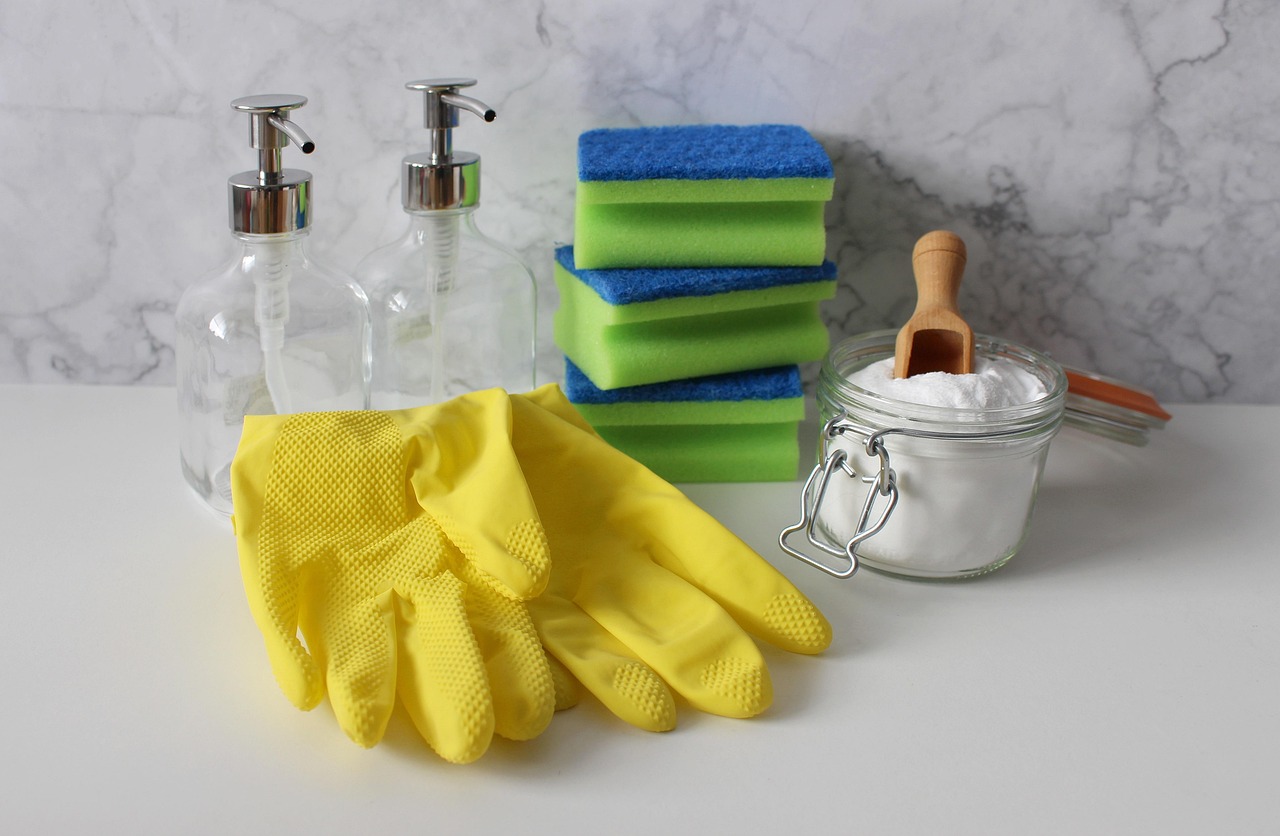
When it comes to maintaining a healthy environment for your feline friend, deep cleaning their house is crucial. Start by removing all items, including cat toys, bedding, and food bowls. Disinfect these items before washing them using hot, soapy water. Make sure to scrub the surfaces to eliminate any lingering odors. For a safe approach, you can opt for natural cleaning agents like vinegar and baking soda. Next, vacuum the entire area to remove fur and dander, paying special attention to corners and under furniture, as those are often overlooked. After vacuuming, wipe down all surfaces with a damp cloth to gather any remaining dust. Once everything is clean, reorganize your cat’s items, ensuring they are dry before returning them to their proper places. To prevent the buildup of dirt, create a regular cleaning schedule where you spend a little time daily maintaining hygiene. Additionally, consider decluttering the space to help improve air circulation, making your home a more pleasant place for both you and your cat. Enjoy a fresh and clean environment that promotes health and happiness for your feline companion.
Once you’ve completed the initial cleanup, it’s essential to address any pet stains or odors efficiently. Pet odor removers specifically formulated for cats can be particularly effective. Begin by identifying specific areas where your cat spends the most time. Apply these cleaners generously, following the manufacturer’s instructions carefully. Allow the product to sit for the recommended duration to ensure effectiveness at breaking down odors. After that, blot the area with a clean cloth to absorb the cleaner and underlying residue. If your cat has had accidents in the house, consider using an enzyme-based cleaner for effective stain removal and odor neutralization. These enzymes break down organic materials, making it more challenging for your cat to return to the same spot. Once the area is treated, once again make sure to dry the surface completely before allowing your cat back onto it. Pay particular attention to any lingering smells as your cat has a powerful sense of smell, and they may prefer to avoid the area otherwise. For ongoing maintenance, frequently clean and refresh these spots in your home to keep the foul smells at bay.
Organizing Your Cat’s Space
After deep cleaning, it is an excellent time to rethink how your cat’s space is organized. Begin by sorting through all the toys, beds, and any other accessories. Discard items that are no longer usable or that your cat seems to have lost interest in. Consider reorganizing the furniture layout as well to create more play space for your cat. Cats enjoy climbing and exploring; thus, placing cat trees or shelving units can provide enriching environments for them. Additionally, consider creating separate zones for eating, sleeping, and playing to avoid any overlaps. Make sure the litter box is placed in a quiet, easily accessible area, away from their food and water. Regularly assess what items your cat frequents and adjust the organization as needed. Rotate toys periodically to invigorate your cat’s interest, making playtime more engaging. Letting your cat choose their favorite spots can enhance their comfort. A well-organized space can greatly improve your cat’s overall happiness and well-being, allowing them to thrive in a clean and inviting home.
While cleaning, don’t forget the importance of maintaining the air quality in your cat’s environment. Pet hair, dander, and odors can linger in the air, making it essential to improve ventilation. Open windows when possible to allow fresh air into your home, which helps eliminate stagnant air. Using air purifiers designed for pets can significantly enhance air quality, filtering out allergens and odors. Consider placing pet-friendly houseplants that naturally purify the air, but ensure they are non-toxic to cats. Regularly replace air filters in your HVAC system to keep the air circulating cleanly throughout your home. Also, limit the use of strong scented candles or sprays that can irritate your cat’s sensitive nose. In case of an unmaintained litter box, smell can quickly spoil the environment for both you and your pet. Choose unscented or low-dust litter options that do not aggravate respiratory issues. Implement these changes gradually during your deep cleaning, creating a breath of fresh air for both you and your furry friend, leading to a more pleasant living environment for everyone.
Maintaining Cleanliness Regularly
To keep your cat’s house clean in between deep cleans, develop a routine maintenance schedule that works for you. Daily checks can save time and ensure you promptly handle any messes your cat might create. Begin with spot cleaning litter boxes consistently, removing clumps and soiled areas to prevent odors. Make sure to replace litter regularly so that the box stays inviting for your cat. A clean litter box location can encourage regular use. Additionally, establish a daily grooming routine to minimize shedding and dander. Brush your cat at least once a week, using proper brushes designed for their fur type. This simple practice also promotes bonding between the two of you. Weekly vacuuming will help keep hair and allergens in check, helping sustain pleasant air quality. On top of that, don’t forget to clean your cat’s bedding regularly to maintain freshness. Monthly deep cleaning will help avoid the buildup of dirt and unpleasant smells. By incorporating these habits, you can foster a more enjoyable and inviting atmosphere for yourself and your feline friend.
When it comes to constructing a cat-friendly cleaning regimen, safety should always be your top priority. Avoid using any harsh chemicals or solvents that might harm your cat when cleaning their house. Opt for natural cleaners or pet-safe products that specifically state they are non-toxic. In addition, check labels for specific instructions and safety precautions to ensure the safety of your animals. Use gloves while cleaning to protect your skin and consider wearing a mask if you are sensitive to dust or allergens. Keeping cleaning supplies out of reach from cats is imperative, as curious animals might discover them and create dangerous situations. Additionally, when moving heavy furniture or equipment, ensure your cat is in a secure, alternative area to prevent accidents. During your cleaning process, allow your cat to observe from a safe distance to minimize stress or anxiety. Remember, a calm environment is better for both of you. Keeping safety at the forefront while cleaning not only gives peace of mind but also promotes a healthy atmosphere for your beloved pet.
Final Thoughts on Cat House Cleaning
Deep cleaning your cat’s house entails more than just sanitization. It fosters a sense of well-being and happiness for both you and your feline companion. Invest in effective, eco-friendly cleaning supplies that suit your space and preferences. Take into consideration your cat’s habits and preferences while organizing their environment post-cleaning. A little extra effort can lead to a cleaner, fresher, and more enjoyable home. Develop a schedule to ensure maintenance cleaning becomes a natural habit, optimizing both cleanliness and comfort. Be sure to recognize any signs that your cat may not be feeling as comfortable in their space. Regularly observing your cat’s habits will help you adjust as necessary. A clean living area can greatly influence a cat’s overall happiness and health. Your cat will appreciate a clean environment that feels inviting and safe. Remember, the effort you put into maintaining your cat’s house greatly contributes to their happiness and tranquility. Implement these tips and maintain a harmonious home for you and your furry friend, where both can thrive together.