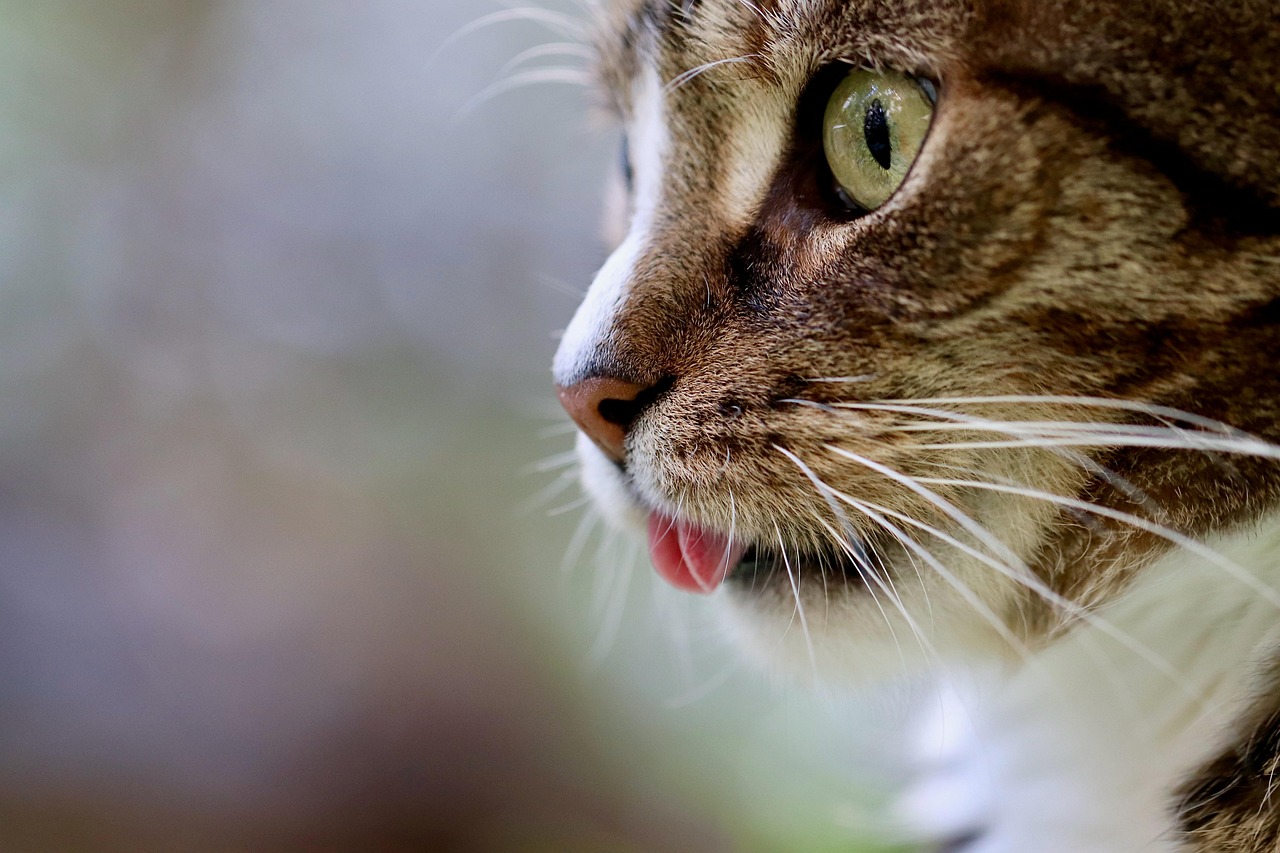

Understanding the Link Between Digestive Problems and Behavioral Changes in Cats
Just like humans, cats can experience digestive problems that lead to significant behavioral changes. These issues may manifest as increased aggression, withdrawal, or even anxiety. It’s essential to recognize that when a cat is uncomfortable due to gastrointestinal distress, they may exhibit signs of distress that are often misinterpreted as behavioral problems. For instance, a cat that usually enjoys play may suddenly become lethargic or irritable, prompting concerns about their mental health. Understanding the connection between physical discomfort and behavior is crucial for cat owners. Signs such as decreased appetite, vomiting, or changes in litter box habits can indicate digestive issues. If these symptoms are present, the cat may feel agitated or fearful, often leading to behaviors that seem unrelated. Regular veterinary check-ups help catch digestive problems early, enabling interventions that can alleviate discomfort and restore the cat’s normal behavior. Caring for a cat with digestive problems involves monitoring their diet, introducing probiotics, or providing high-quality food that fosters gastrointestinal health. By prioritizing their digestive well-being, cat owners can improve overall behavior and happiness.
Common Digestive Issues in Cats
Cats can experience various digestive problems that contribute to behavioral changes. Some common issues include vomiting, diarrhea, constipation, and food allergies. Identifying these problems promptly is crucial for addressing the underlying causes. For example, a cat that frequently throws up may avoid feeding times, leading to irritation or withdrawal. Similarly, diarrhea can cause discomfort and stress, resulting in behavioral shifts like hiding or aggression. Food allergies may also lead to digestive disturbances, prompting changes in a cat’s mood and demeanor. Owners should be vigilant for signs such as changes in appetite, weight loss, or unusual grooming habits, which can indicate digestive troubles. Addressing these issues often requires consulting a veterinarian, who may suggest eliminating certain foods or introducing specialized diets. Sometimes, a more extensive examination is necessary to rule out serious conditions. Additionally, certain intestinal parasites can cause ongoing gastrointestinal distress, entailing further veterinary intervention. Maintaining a consistent feeding routine and avoiding sudden diet changes can help minimize digestive issues, leading to improved behavior. Fostering an environment where cats feel safe also promotes better digestion and mental well-being.
Many behavioral changes observed in cats with digestive problems can stem from pain or discomfort. Cats are generally resilient but will often react by exhibiting defensive behaviors when in distress. This may mean hiding, hissing, or even aggressive actions toward other pets or humans. A recent surge of interest in feline behavior studies has highlighted the direct correlation between physical pain and behavioral expressions in cats. Feline anxiety often surfaces during digestive flare-ups as they might associate eating with the discomfort experienced from previously ingested food items. Behavioral modification techniques, such as using calming cat pheromones or providing a stress-free environment, can aid in alleviating some of these complications. Furthermore, spending quality time with your cat, engaging in gentle play, or providing treats can go a long way to soothe a distressed kitty. Behavioral symptoms, while indicative of broader digestive issues, also warrant careful observation and analysis from pet owners. Recognizing early signs allows for timely treatment of underlying gastrointestinal problems, ensuring that your cat’s emotional landscape remains balanced, promoting overall well-being beyond just physical health.
Importance of Diet in Cat Digestive Health
The role of diet is paramount in managing digestive health in cats. A balanced diet specifically formulated for felines can help maintain digestive stability and prevent the occurrence of related behavioral problems. High-quality cat food containing adequate fiber, proteins, and essential nutrients fosters better digestion and nutrient absorption. Cats are obligate carnivores, meaning their diet primarily should consist of meat. Providing high-quality protein sources such as chicken or fish can support good digestion. It’s also beneficial to gradually introduce any dietary changes to avoid shocking the digestive system. Moreover, incorporating probiotics may facilitate healthier gut flora, especially during dietary transitions. Consider providing ample fresh water and offering meals in smaller portions throughout the day. Food transition should ideally take about a week, mixing old food with new food incrementally to minimize gastrointestinal upset. Consulting your veterinarian about the best dietary options for your cat’s specific needs is the best way to ensure they are getting the right nutrients. This approach not only promotes healthier digestion but also translates into more stable behavior.
A cat’s behavior can be indicative of its diet and the presence of underlying digestive issues. When cats consume inappropriate foods, such as human foods or low-quality cat food, they may suffer gastrointestinal upset leading to stress. This is a crucial reminder for cat owners to remain engaged with their pets’ diets. Not only should they avoid harmful foods, but also practice portion control to prevent obesity. Obese cats are at a higher risk for a range of digestive problems, including hepatic lipidosis or diabetes, which ultimately can contribute to behavioral changes. Observing any food preferences or aversions through trial and error could help identify what suits your cat best to maintain healthy digestion. Always avoid sudden changes in diet; instead, introduce new food slowly. Label reading to avoid harmful preservatives and allergens in cat food can make a significant difference in their overall health. Prioritizing diet means prioritizing a cat’s emotional state too. Enhanced digestion promotes comfort and stability, enabling a feline to maintain its typical behaviors, such as affectionate interactions or active play.
Stress and Its Impact on Cat Digestion
Stress in cats can exacerbate digestive problems, leading to behavioral changes that may frustrate owners. Just as humans react to stress with physical symptoms, cats manifest their anxiety through gastrointestinal issues like diarrhea or vomiting. It’s vital to create a reassuring environment for our feline friends, as stress-induced behaviors often worsen if left unaddressed. Signs of stress may include hiding, excessive grooming, or alterations in eating habits. Implementing an enriching environment with safe pleasant spaces can alleviate anxiety—thus benefiting digestion. Furthermore, strategies like interactive play, scratching posts, and puzzle feeders can engage cats positively, reducing their stress levels. Recognizing stress triggers is essential: introducing new pets, loud noises, or changes in household routines can all drive anxiety in cats. Behavioral therapy, alongside a vet’s guidance, offers approaches for dealing with cat anxiety that can improve digestive health. Ultimately, reducing a cat’s stress not only mitigates digestive problems but contributes to a more harmonious existence with their human companions. A holistic approach toward health incorporates an understanding of both mental and physical wellbeing for optimal cat health.
Preventing digestive problems in cats ultimately contributes to improved behavior and emotional well-being. Regular vet check-ups and dental care are critical components that aid in identifying early signs of gastrointestinal distress. It’s essential for owners to stay vigilant about changes in appetite, drinking habits, or any noticeable shifts in litter box usage. Additionally, understanding each cat’s unique behavior allows for tailored management strategies that support their overall health. Maintaining a consistent routine helps to create a sense of security for your feline, reducing anxiety levels. Furthermore, stressors, including overcrowded living conditions or challenges with integrating new pets, should be minimized to foster a calming environment. Regular physical activity enhances both mental and digestive health by providing enrichment and stimulation. Various studies indicate that an engaged and stimulated cat exhibits healthy digestive patterns as opposed to one that is sedentary. Owners may also employ environmental enrichment techniques to encourage exploration and play. By understanding the complex relationship between digestive health and behavior, cat owners can make informed choices that directly translate to a happier, better-adjusted pet.