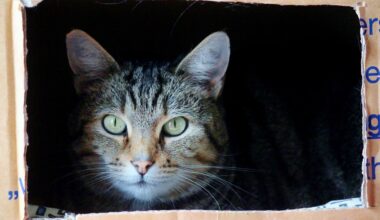

Reading Your Cat’s Cues for Exercise Withdrawal
Understanding your cat’s behavior during exercise plays a crucial role in managing their health. Consider various signs indicating when they might need a break. Cats may exhibit certain behaviors that signal withdrawal, often linked to their energy levels and stress. Pay attention to their body language and vocalizations during activity. This involvement strengthens your bond and enhances their safety. Common signs of fatigue include decreased enthusiasm for play and an unwillingness to engage. Moreover, notice subtle actions such as lying down or retreating to a cozy spot, indicating they’re done. It’s essential to learn your cat’s usual patters, as individual characteristics may vary widely. Some cats might not like intense exercise while others thrive under such conditions. Understanding these preferences allows you to provide tailored activities that all encourage fun and health. Additionally, recognize that external factors, like loud noises or the presence of unfamiliar people, may contribute to their need for withdrawal. By observing these cues, you can adjust the playtime accordingly, creating an environment that meets their emotional and physical needs effectively.
Effective communication with your cat enhances exercise sessions. Knowing when to stop or slow down is key to ensuring your cat enjoys their playtime. Use soft, reassuring tones to ease their anxiety during interactions. Creating a calm environment contributes significantly to stress reduction that might hinder their desire to play. If your cat shows hesitance, it’s essential to slow down the pace of play until they feel comfortable. They may vocalize through meows or body signals if they’re overwhelmed. Pay close attention to their ears and tail posture— if they’re flattened or twitching, this signals discomfort. Incorporating breaks during activity can help maintain their interest without overstimulation. Offer fresh water and let your cat rest to regain energy; this encourages positive experiences while reducing burnout. Observe how long they remain engaged in playtime, as certain cats may prefer shorter bursts of activity. Also, consider varying the type of exercise you provide to keep it interesting. Using toys that mimic prey can stimulate their natural instincts, making exercise more appealing while also allowing them to signal when they’re ready to stop.
Knowing When to Take a Break
The decision to halt playtime is as significant as initiating the activity. Pet owners must recognize when their feline friends signal a need for a pause. Clinically, lethargy and disinterest are common indicators of fatigue in cats. If your cat suddenly loses interest in the toys they once chased in rapture, it may be time to stop the session. Watch for subtle behavior changes, such as dilated pupils or heavy breathing, indicating your cat has reached their limit. They might start abandoning their toys or find a comfortable spot to rest, which should be a clear cue. Additionally, a cat that continuously attempts to hide or walks away from play might be feeling overwhelmed. Always facilitate a warm-down routine— this helps in gradually bringing their energy down and reinforces a structure in their exercise habits. Failing to recognize these signs could lead to negative associations with exercise, creating unhealthy behavior patterns. Implementing a regular routine that incorporates breaks can lead to longer and more enjoyable play sessions in the future, making your cat a much happier companion.
Physical signs are integral to speakers of cat behavior language. A cat’s body language plays a significant role in your ability to interpret their needs during exercise. Observing their breathing rate is essential; rapid breathing is often linked to excitement but can lead to fatigue. Should your cat start panting or appears tense, it’s time to allow them to take a break. These cues reveal their body working hard, potentially causing stress! Notably, watch their tail—if it’s stiff or flicking, it may underscore their discomfort. Remember that every cat has unique nuances; what may alert one might differ for another. Consistent observation is key to understanding their non-verbal cues better. Offer gentle praise when they express their interest in play, creating a positive reinforcement cycle. Implementing a predictable rhythm helps fortify their comfort and security while exercising. Furthermore, consider using toys that encourage decision-making, allowing them to communicate their willingness to play or withdraw when needed. This two-way form of communication solidifies your relationship, fostering a wealth of trust and understanding vital for physical activities.
Physical Signs to Watch For
Be aware of any changes in your cat’s physical posture during exercise to gauge their level of involvement. Subtle indicators, such as tail position or ear orientation, can signal if your feline is engaged or fatigued. For instance, an upright tail suggests confidence and enjoyment, while a lowered tail implies disinterest or discomfort. Ears facing forward represent curiosity; however, when they lie flat against their head, your cat may be feeling overwhelmed. It’s essential to foster an environment where they feel safe to express these signs. Encouraging exercises should focus on their strengths and comfort levels. Any visible signs of aggression or irritability may indicate your cat needs a break or a different approach in play. Be mindful of how vigorously they engage with toys and remember to moderate sessions accordingly. Providing options lets your cat dictate what feels fun or too strenuous. Regular breaks not only benefit their physical health but also strengthen their emotional well-being. Pay attention to each unique response— your sensitivity will cultivate a stronger bond and ultimately enhance overall enjoyment while remaining safe.
Understanding your cat’s overall energy levels throughout the day can shape effective playtime strategies. Observe their behaviours both during active hours and rest. Just like humans, cats have peak times of energy; this often correlates with their natural instincts. Scheduled play sessions during active periods can foster better engagement, while avoiding prolonged sessions during lethargic times. If your cat seems less active than usual, consider a gentle approach focusing on shorter, more stimulating activities. Observe if they are associating playtime with anxiety or stress—this recognition will help them thrive. It’s also essential to rotate toys to maintain excitement and reduce boredom. By introducing varied environments, such as different rooms or hiding spots, you can make each exercise session enjoyable for both you and your feline companion. Always reward them with affection when they display willingness to play or stop, building their confidence in communicating their limits. Your feline friend may not consistently signal when they’ve reached exhaustion, necessitating your vigilance. This attentiveness demonstrates love and understanding that ultimately nurtures their emotional and physical health and strengthens your unique bond.
The Importance of Routine
Establishing a regular play routine further helps strengthen your relationship with your cat. Having consistent interaction times allows your pet to anticipate their exercise opportunities, promoting enthusiasm. Notice how your feline friend responds to pre-play rituals; whether they enjoy being brushed or prefer gentle head scratches before an activity, cater to their preferences. By tuning into what they like, you can enrich the overall experience and reduce the odds of withdrawal indicators. Moreover, maintaining a schedule provides stability—particularly for anxious cats who thrive on predictable patterns. These simpler practices bolster trust, allowing them to engage more fully when it’s playtime. Whenever you observe signs of fatigue, adjust in real-time to suit their comfort and excitement levels. Pay attention to their engagement cues, reshaping activities accordingly. Always prioritize listening to your cat’s needs instead of merely using a stopwatch. Continuous adaptation encourages long-lasting positive interactions that cement your bond. Well-structured routines that promote healthy activities will lead to happier cats, as your commitment fosters an environment emphasizing companionship alongside enjoyable exercise.
In conclusion, recognizing and respecting your cat’s cues during exercise is pivotal for their overall well-being. Much like humans, cats require appropriate levels of activity matched to their individual needs and behaviors. Building understanding through observation is necessary for their emotional and physical health. Paying attention to their body language, adjustments in energy levels, and the nuances of their responses will enable you to engage them more positively. Exercises should be tailored to your cat’s preferences, enhancing their willingness to be active. Establishing a consistent routine, fostering a sense of safety, and creating enjoyable interactions lead to a joyful exercising experience for both of you. Ensure to communicate with gentle affection, reinforcing trust and a sense of participation in the activity. When your cat exhibits signs of withdrawal, honor their needs, allowing them to enjoy future enrichment sessions without fear or apprehension. Prioritizing a respectful balance between play and rest ensures a well-adjusted, healthy pet. By catering to their cues, you’re not only enhancing the quality of their lives but also nurturing a lifelong friendship full of playful adventures and lasting harmony.