
Puppy Training Toys and Tools: What Works Best
Puppy training is a journey that starts early in your furry friend’s life, providing the foundation for good behavior. One effective way to make training fun and engaging is by incorporating various toys and tools designed to assist in the training process. Quality training toys can provide mental stimulation, promote physical activity, and strengthen the bond between you and your puppy. These toys can be squeaky, plush, or even interactive and are available in numerous styles. The right one helps hold your puppy’s attention while reinforcing commands or behaviors. Moreover, the selection of training tools such as clickers, leashes, and harnesses plays a vital role in successful training sessions. Each tool is designed to enhance communication and clarity during training. Consider these aspects when selecting which items to introduce into your puppy’s learning experience. Investing in the right toys and tools lays the groundwork for a well-trained, happy puppy that integrates seamlessly into your family life. Make sure to regularly evaluate your puppy’s preferences during training so you can adapt the materials utilized, ensuring progress remains both effective and enjoyable for your puppy.
Essential Toys for Training
There are various types of toys that can effectively aid in puppy training, which can enhance the experience for both you and your pup. Here are some essentials to consider:
- Chew Toys: Durable, safe chew toys can help during teething, providing a much-needed outlet for a puppy’s natural chewing instinct.
- Interactive Toys: Toys that dispense treats can stimulate your puppy mentally, teaching problem-solving and reinforcing positive behaviors.
- Fetch Toys: Balls or frisbees are great for encouraging retrieval, teaching command response, and providing physical exercise.
- Tug Toys: These can strengthen the bond between you and your puppy while teaching them about impulse control.
- Comfort Toys: A soft toy can provide emotional comfort, helping puppies cope with new environments and stressful situations.
Using a variety of toys will keep training sessions exciting for your puppy and will help maintain their attention, ultimately leading to a more productive training experience.
When it comes to training tools, several options provide support during specific activities and can significantly aid in your training journey.
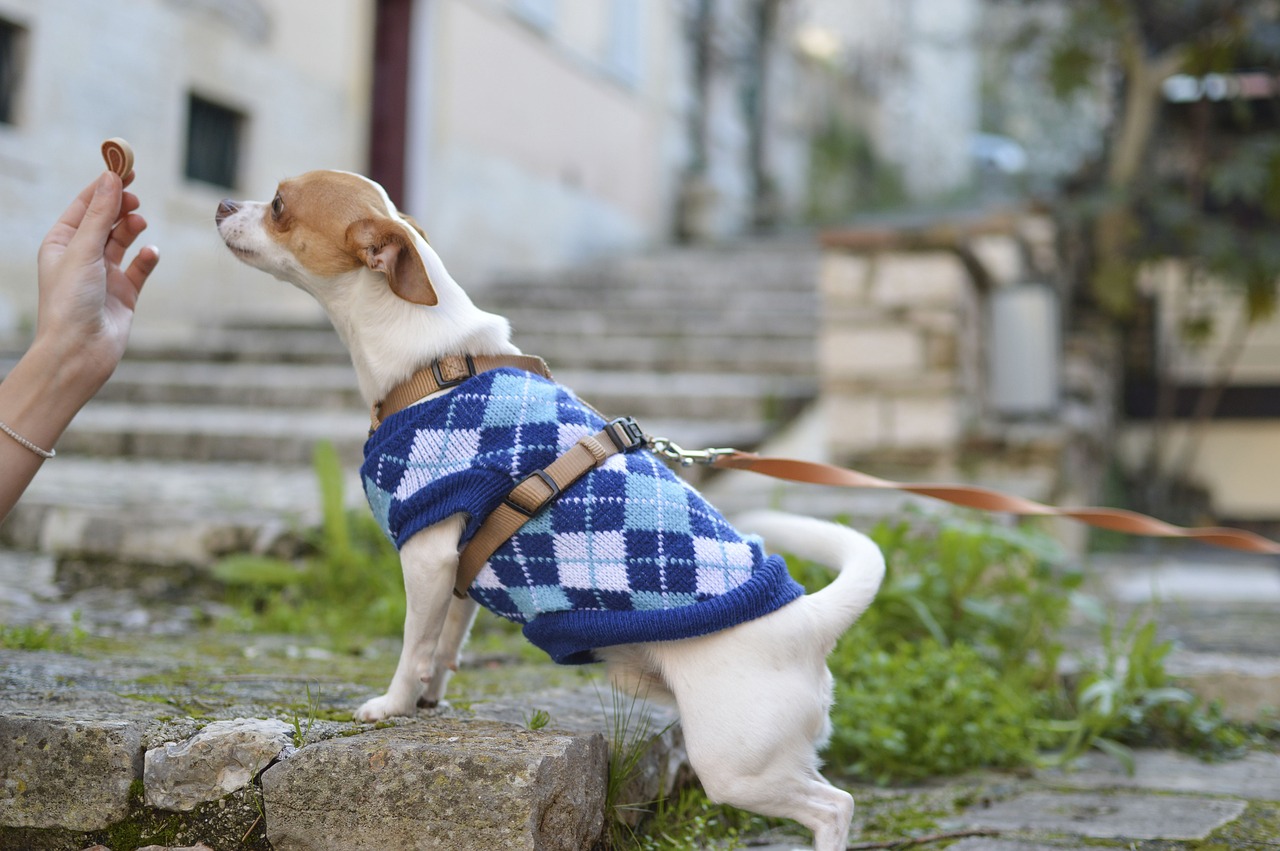
- Clickers: Clicker training is a popular method for teaching commands and rewarding positive behaviors through audible feedback, facilitating clearer communication.
- Leashes: A sturdy leash is essential for controlling your puppy during walks and training sessions, aiding in their safety and focus.
- Collars: Properly fitted collars are critical for identification and control while training and can be paired with leashes effectively.
- Training Pads: These are invaluable for housebreaking puppies, helping them grasp where to eliminate indoors before you can take them outside.
- Harnesses: A well-fitted harness helps manage energetic pups during walks, reducing strain on their necks while providing better control.
Having these tools on hand will streamline your training, making it easier and more effective when instilling good habits in your puppy.
Choosing the Right Training Approach
When selecting toys and tools for your puppy, it’s crucial to match them with the training approach you plan to adopt. Not all methods work for every dog, so understanding your puppy’s personality is key in determining the best route. For instance, if your puppy is high-energy, using toys that promote physical activity, like fetch toys, and incorporating longer training sessions will likely keep their attention better. If your puppy is shy or cautious, using comfort toys might reassure them and ease the learning process. Additionally, consider a combination of positive reinforcement, such as treats, while limiting punishment-based techniques to create a supportive atmosphere. This encouragement builds trust, which can enhance learning results. Furthermore, remaining patient and consistent daily will also foster your puppy’s confidence in your training methods. Regularly assessing your training approach and being flexible enough to adapt to your puppy’s needs will add to your success. As you progress, revisiting your approach allows you to maintain the enthusiasm during training sessions and help ensure long-term behavioral changes.
Consistency is vital when incorporating toys and tools into your puppy training regime. By establishing a routine, your puppy will learn what to expect during each session, which helps reduce anxiety and increases focus. To make the best use of the toys and tools selected, try assigning specific functions for each during training sessions. For example, you could use a clicker in combination with a chew toy to reinforce commands, rewarding your puppy with the toy immediately after a successful response. This clear association will make it easier for your puppy to understand and retain what they’re learning. Moreover, timing is everything, so reward your puppy as soon as they perform the desired action to solidify the connection between behavior and reward. Additionally, rotating toys and tools can keep the training environment fresh and exciting. This encourages sustained engagement during lessons while preventing boredom from setting in. It’s also a good idea to limit distractions during training sessions using specialized equipment, thus ensuring the training focus remains solely on the task at hand.
Managing Frustration During Training
Training is often a rewarding but sometimes challenging process, leading to moments of frustration for both the puppy and the trainer. It is essential to approach these hurdles with patience and understanding. Recognizing that puppies, like children, learn at their own pace is crucial. If your puppy seems to struggle with a particular command, take a step back and reassess the methods being used. Adjusting training frequency, durations, or the toys utilized can sometimes make a significant difference. Engaging in shorter, more frequent training sessions can prevent overstimulation while ensuring focus and reinforcing learning. Celebrate little wins, even minor successes, throughout your training sessions. Hold a positive mindset, and don’t hesitate to provide added encouragement like praise or affection when your puppy successfully completes a task. This positive reinforcement establishes a strong emotional bond between you and your puppy, making the training process more enjoyable. Remember that training can be a fun opportunity to explore your puppy’s personality while teaching vital skills that enhance their behavior and relationship with you.
The journey of puppy training can feel overwhelming, but with the right tools and innovative strategies, positive outcomes are achievable. Encouraging dedication and engagement through fun activities can significantly enhance the training experience. Regularly incorporating specific toys and tools into your training approach allows you to keep sessions fresh and engaging. Evaluate your puppy’s feedback and behavior to gauge what toys work best and adapt accordingly. Furthermore, remain patient, consistent, and compassionate as you work through challenges. Mutual understanding created during this process may contribute to dog-owner bonding, potentially leading to a lifelong companion. It’s also helpful to connect with local trainers or join community puppy training classes for guidance and additional support. As your puppy progresses, continually adapting your training styles and techniques will contribute to shaping a well-rounded pet. Celebrate the successes and remember to enjoy the little moments along the way. Ultimately, building a strong rapport with your puppy will create lasting memories and transform the training process into a delightful experience for both of you.
In conclusion, selecting effective toys and tools is essential when embarking on your puppy training journey. Balancing enjoyment alongside instruction will enhance your puppy’s learning experience while reinforcing your bond. As you choose toys, prioritize those that align with your puppy’s interests and energy levels, and ensure the tools used are suitable for your training methods. Maintain a structured approach while staying flexible enough to adapt to your puppy’s evolving needs. Through patience, creativity, and enthusiasm, your training journey can become a positive experience, leading to a well-trained, happy puppy. With dedication and love, you can create an environment where your puppy flourishes and grows, making the effort of training worthwhile. Ultimately, puppy training is not just about instilling commands but also fostering a loving relationship built on trust and mutual respect. Embrace the challenges that come with training and remember that the journey impacts both you and your puppy alike. Ensure that you’re ready to celebrate every tiny success along the way, making every training session a step toward a lifelong companionship.