
Traveling with Multiple Dogs: Tips for Socialization and Harmony
Traveling with multiple dogs can be a beneficial yet challenging experience. Ensuring that your dogs are well-socialized is crucial for a smooth journey. Before embarking on a trip, invest time in training and socializing your dogs. This helps them become accustomed to each other, reducing stress during travel. Gradual introductions can make a world of difference. Start by introducing your dogs in a neutral environment, away from home territory, which can reduce possessiveness and territorial behavior. Training exercises that include commands such as ‘sit’ and ‘stay’ can establish a sense of discipline and peace among them. It is crucial to ensure they have positive interactions without overwhelming any one dog. Consider the personalities of each dog; certain breeds or temperaments may respond differently to new environments. Keeping all dogs on a leash during the introduction process helps in maintaining control at all times. A well-organized travel plan that integrates socialization activities can further enhance relationships among your dogs, leading to an enjoyable experience for both you and your furry companions. Overall, preparation is key when traveling with your dogs, which ensures a beautiful journey.
Prior to your trip, it’s important to set the groundwork for your dogs. A proper packing list for dog travel is essential. Start with all necessary supplies such as food, water, bowls, leashes, and waste bags. Additionally, bring along your dogs’ favorite toys and blankets to provide comfort during the journey. This helps to retain a sense of home, making your dogs feel more secure. Don’t forget any medications or specific items relevant to their care. A thoughtful packing strategy can reduce anxiety among your pets, which contributes to an overall harmonious travel experience. Create a travel itinerary that includes plans for rest stops and potty breaks, allowing enough time for each dog to relieve themselves. Frequent breaks are not just beneficial for you but essential for your dogs’ well-being, allowing exercise and preventing restlessness, which can lead to stress. Plan accommodations ahead of time, opting for pet-friendly hotels or campgrounds. Ensuring your dogs have adequate space and comfort during your travels will contribute positively to their socialization with each other and with new environments they will encounter, leading to harmonious interactions.
Socializing Your Dogs on the Go
While on the road, it’s essential to continue fostering positive interactions among your dogs. Regular stops in pet-friendly parks can provide excellent opportunities for them to socialize with other dogs. Bring an array of socialization activities like obedience training sessions or some playful interactions with other friendly dogs. Such engagements help in maintaining a bond among your dogs while also aiding in their behavior management. Supervise all interactions, noting body language that indicates comfort or discomfort, and separate them if any signs of aggression or unease occur. Make sure to reward good behavior with treats and praise, reinforcing their social skills positively. Using a long leash can give them more freedom to explore while keeping them safe and secure. Additionally, consider involving them in training sessions to work on commands together and enforce teamwork and cooperation. A friendly game of fetch or tug-of-war can be beneficial too, further encouraging their social bonds. Socialization shouldn’t just happen before a trip; maintaining it throughout is fundamental in ensuring your dogs are bonded, relaxed, and happy during your travels.
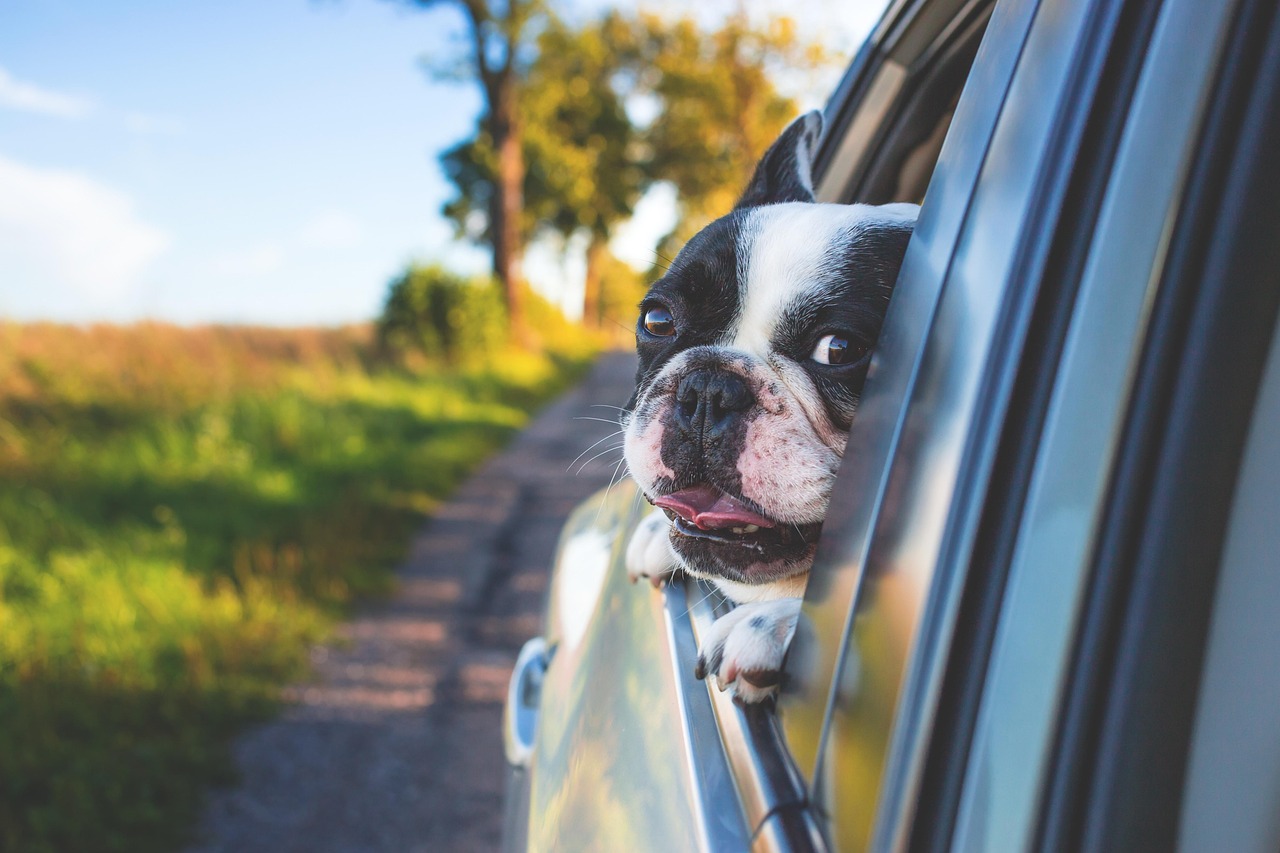
When it comes to car rides, safety is paramount. Utilize appropriate-sized crates or dog seat belts to secure your pets during travel. This not only keeps them safe but also reduces anxiety. A dog that feels secure in their space is less likely to lunge or bark at passing cars or pedestrians, fostering a calmer environment in the vehicle. During travel, keep the windows slightly open to allow fresh air circulation but ensure the windows are not open wide enough for them to jump out. Frequent stops for walks give them a chance to stretch, relieve themselves, and refresh their energy levels. Remember to monitor their hydration, particularly in warmer climates. Having portable water bowls handy makes it easier to keep them hydrated as you travel. Additionally, adjusting your travel schedule to avoid extreme temperatures ensures comfort for your pups. Create a cozy environment within the car by utilizing blankets or a familiar item that your dog loves. Music can also help, as soft tunes may be soothing during long drives, making it a more pleasant experience for both dogs and their owners in the vehicle.
Managing Behavioral Dynamics
As you travel, managing behavioral dynamics among your dogs is crucial. Understanding which dog may require more space or alone time can prevent conflicts and allow for a more peaceful experience. Monitor how your dogs interact with one another, and if conflicts arise, don’t hesitate to separate them to allow for cooling-off periods. Recognizing signs of stress or anxiety, such as pacing or whining, is also essential. Engage in calming practices, like bringing along familiar toys or blankets that remind them of home. This can significantly ease anxiety among your pets. During rest periods, consider creating separate zones where each dog can feel comfortable. This physical separation can foster peace and reduce potential quarrels. Additionally, engage in short training sessions during breaks to reinforce manners and commands. Consistency in training, even amidst travel, reinforces the bond between you and your dogs and calls for better behavior. Socialization not only occurs with new experiences but reflects on how your canines behave with each other within the group. Behavioral management is vital in ensuring enjoyable and harmonious interactions during travel.
In addition to managing behavior, recognizing the varied energy levels among your dogs can also aid in a balanced approach to socialization. Some dogs naturally have higher energy levels and require more exercise than others. Plan for various activities that cater to these differences, providing ample opportunities for all dogs to expend their energy and remain balanced throughout your travels. Engaging in brisk walks, playtime, or even agility training during breaks can help. Taking advantage of local dog-friendly areas can add variety to their exercise routine, ensuring they don’t feel cooped up. Engage your dogs in games that stimulate their minds,like puzzle toys, keeping them mentally challenged while resting. This can reduce boredom and curb any unwanted behaviors. Building a travel schedule that incorporates these varied exercises can improve both their mood and socialization skills, setting a positive tone for your travel schedule. Balance is the key, ensuring that each dog’s physical and mental needs are met while allowing socialization to flow naturally. Always maintain a flexible itinerary to entertain each dog’s unique personality throughout the journey.
Conclusion: Creating Lasting Bonds
Finally, cultivating lasting bonds among your dogs is the ultimate goal of your travel experience. It’s essential to provide ongoing positive reinforcement for good behavior during your journey. Celebrate small victories by offering praise or treats when your dogs display cooperative and friendly behavior. This not only solidifies their socialization skills but also helps them develop a deeper friendship with each other. Creating shared experiences will be a treasure trove of memories that may last a lifetime for both you and your dogs. Encourage downtime or quiet time together, allowing them to recharge after play and adventure. The relaxation time fosters closer relationships, further promoting harmony within the group. As they become accustomed to traveling together, your dogs will develop a collective sense of adventure. Consider documenting your trips together through photos and videos that capture the joy of shared experiences. This not only serves as a personal memoir of your adventures but also reminds you of the impact that travel has on their social skills. In time, you will notice how traveling together transforms your dogs into unparalleled companions.