
Photographing Senior Dogs with Special Needs
Capturing the essence of senior dogs can be both rewarding and challenging. These aging canines often have unique needs and personalities that differ from their younger counterparts. Understanding their behavior and requirements is essential when planning a photography session. Start by creating a calm environment. This helps the dog feel at ease and more likely to exhibit natural behaviors. Use soft voices and gentle gestures to encourage interaction. It’s vital to pick a comfortable location, ideally somewhere familiar to the dog. Consider places where they feel safe, like their home or favorite park. Adapt your shooting style to accommodate their physical capabilities. Avoid fast movements that could unsettle them, and employ patience while waiting for those perfect moments. Capture their personality by focusing on details such as their eyes and smile. Utilize natural light to enhance their features without causing discomfort. Lastly, ensure that your camera settings are optimized for the scene, allowing you to capture rich colors and sharp details. With diligence and compassion, you will create stunning portraits that showcase the beauty of senior dogs.
Understanding Senior Dogs’ Essential Needs
Senior dogs often have special needs that come with age, including medical issues and mobility challenges. It’s crucial for photographers to understand these aspects prior to the shoot. For instance, some dogs may have arthritis or other joint problems that limit their ability to move around freely. Consider bringing props, like a soft blanket, to provide comfort while they pose. Be gentle and allow the dog to indicate their own comfort level with poses. Prioritize their well-being by taking regular breaks. Don’t rush the session just to capture the perfect shot; instead, allow for ample time. You might even find that the most heartwarming images come during relaxed moments. Pay attention to their body language, as it often signals how they feel about the process. Engage with gentle encouragement to draw out their personality. Additionally, don’t hesitate to involve their human companions; these interactions often lead to charming candid moments that make for memorable photography. Ultimately, your goal should be to create a relaxed atmosphere to produce genuine, heartfelt images that reflect the true spirit of senior dogs.
Equipment selection plays a significant role in capturing beautiful images of senior dogs. First and foremost, choose a camera that suits your level, whether it’s a DSLR, mirrorless, or even a smartphone. Lenses are equally important; a prime lens with a wide aperture, such as 50mm or 85mm, works wonderfully for capturing fine details. When photographing older dogs, it’s crucial to prioritize comfort. A lightweight setup is beneficial since it allows quick adjustments without startling the animal. Consider using a padded, quiet strap so that any movements do not disrupt the scene. Ensure you’re prepared for varying light conditions, especially if you’re shooting outdoors. Carry a reflector to help bounce light onto your subjects and minimize harsh shadows. If the dog is particularly nervous, incorporate a tripod to lessen camera noise and keep the framing consistent. Experiment with different heights and angles, as lower perspectives often result in more captivating images. During your shoot, be observant and ready to capture unexpected moments; senior dogs can surprise you with engaging expressions at any time.
Building Trust with Senior Dogs During the Photoshoot
Establishing rapport with senior dogs is vital to achieve emotional photography. Begin by spending time with the dog before you start shooting. Allow them to acclimate to your presence and equipment. Use treats or toys to create positive associations. Speak softly and move slowly to ensure the dog feels safe. If possible, involve the dog’s family in the process, as familiar voices can make a significant difference. This approach also encourages the dog to act naturally, revealing their unique personality. During the shoot, maintain a non-threatening posture; kneel or sit at their level to be less intimidating. Employ positive reinforcement throughout the session by offering praise or treats for good behavior. If the dog becomes anxious or stressed, take a break. Use this time to soothe the dog, providing comfort while also adjusting your techniques. Trust takes time to build, especially with senior dogs. Be patient and flexible, and adapt to their responses. The resulting images will reflect the bond you cultivated, capturing their essence authentically and beautifully, ensuring cherished memories for years.
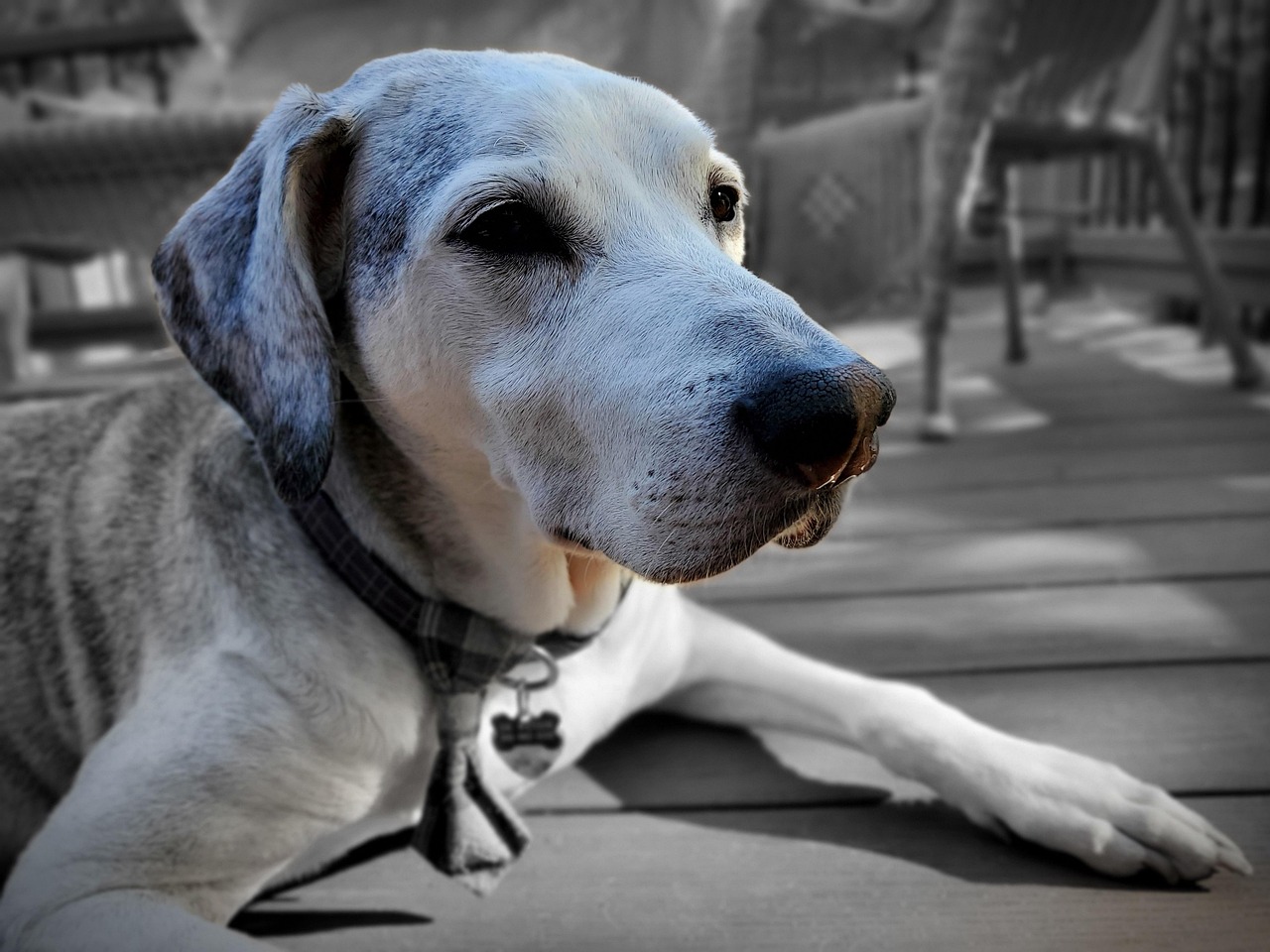
In the post-production phase, focus on editing techniques that enhance the character of senior dogs. While editing, retain the natural look; avoid excessive modifications that can distort their features. Pay close attention to lighting adjustments to maintain warmth without washing out their colors. Highlight the dog’s eyes and expressions, often the most compelling part of the photo. Using subtle sharpening techniques can further emphasize their unique features and textures, such as fur or whiskers. Consider creating a series of images that tell a story about the senior dog, reflecting their comforting presence and joyful spirit. Use software tools to adjust brightness and contrast, bringing depth to the photographs. Experiment with black and white editing, which can add a timeless quality, focusing attention on emotions rather than colors. It’s essential to create a cohesive look to your portfolio while still allowing each dog’s individual character to shine through. Items like filters should be used judiciously, ensuring to preserve the authenticity of the dog. Highlight their journey through thoughtful editing, crafting lasting memories.
Sharing Your Work with the Community
Engaging with the community is crucial after capturing your stunning photographs of senior dogs. Share your images on social media platforms dedicated to dog lovers, such as Instagram and Facebook, where the community thrives. Use relevant hashtags to gain visibility; you can leverage tags like #SeniorDogLove and #DogPhotography. Additionally, share stories alongside your images, providing context to the viewer about the dog’s journey. Inspiring narratives can resonate deeply and foster connections with potential clients or fellow photographers. Consider submitting your work to local pet shelters or rescue organizations; they might showcase your photographs to promote adoption of senior pets. Partnering with such organizations not only helps them but also amplifies your presence in the community. Organize events or workshops that focus on pet photography and how to capture these special moments with senior dogs. These initiatives can lead to valuable networking opportunities, connecting you with passionate advocates and potential clients. The more you share, the more you learn; feedback from the community can help refine your skills and style in senior dog photography.
Finally, remember that photographing senior dogs is more than a technical endeavor. It’s an investment in preserving the memories of these beloved companions. Each dog has a distinct personality, deserving of patience, time, and love. Make each session unique by adapting to the particular needs of the dog. Embracing their quirks can lead to stunning, authentic photographs that highlight their beauty and spirit. As a photographer, you have the privilege of documenting their journey, capturing moments that families will cherish for a lifetime. Acknowledge the emotions surrounding aging pets; it adds depth to your photography and connects with audiences on a personal level. Every click of the shutter is an opportunity to tell a story, conveying not only the appearance of the dog but also its essence. Be creative in exploring different settings and compositions. Lastly, pursue continuous learning opportunities in dog handling and photography to improve your skills. The resulting images can teach us about compassion, trust, and the loving bond we share with our aging pets.