
Training Your Cat for Tricks Using Target Sticks
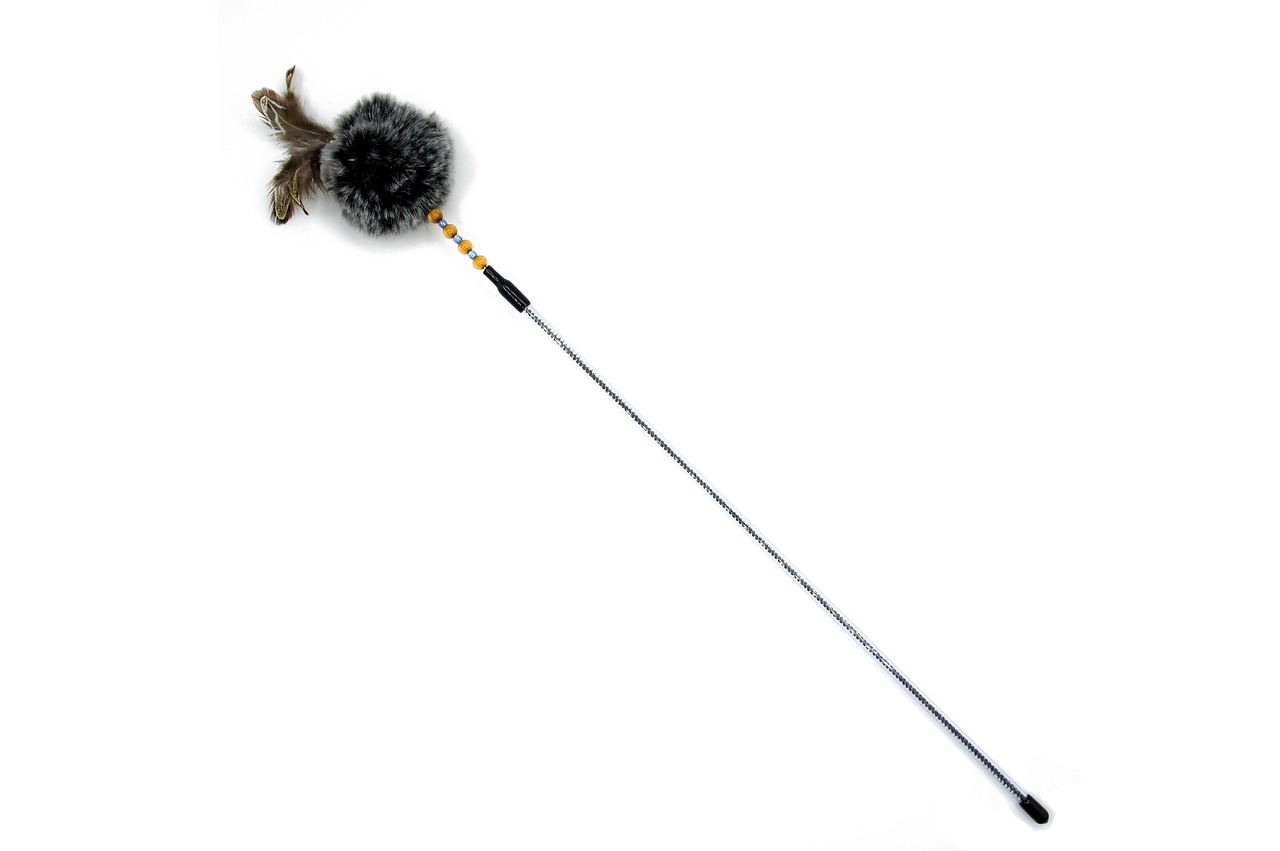
Training your cat can be an enjoyable experience for both you and your feline friend. One effective method to facilitate this is by using target sticks. Target sticks are simple tools that can aid in teaching your cat a variety of tricks. They consist of a stick with a distinct target at the end, enabling cats to focus on a particular point. The process usually involves rewarding your cat with treats when they touch the target with their nose or paw. This method relies on positive reinforcement, which is essential to encourage behavior. Moreover, target sticks can help improve your cat’s physical fitness and mental agility. Choosing the right target stick is crucial; it should be comfortable for you to handle as well. There are many different types available, so look for one that suits your cat’s personality and your training style. Whether you’re training for simple tricks or more complex behaviors, target sticks can be invaluable in your cat training repertoire, making the experience harmonious, effective, and fun.
Benefits of Using Target Sticks
There are numerous benefits to using target sticks in your cat training sessions. First and foremost, target sticks can help your cat develop focus and attention on what you want them to accomplish. This is particularly valuable as many cats have independent streaks, making them less inclined to follow commands. When utilizing a target stick, your cat learns to associate the target with desired actions, reinforcing positive behavior. Furthermore, these tools can strengthen the bond between cat and owner, as you’re both participating in an engaging, rewarding activity. You will also notice improvements in your cat’s coordination and agility as they maneuver to reach the target. In addition, training with target sticks is an excellent way to stimulate your cat mentally; it challenges their problem-solving abilities and fuels their curiosity. This mental engagement can significantly reduce boredom and associated destructive behavior at home. Overall, target sticks are more than just training tools; they play a vital role in your cat’s well-being and happiness, ensuring an active and fulfilling life.
To get started with target sticks, it is essential to choose the right environment for training. Begin in a quiet area without distractions to help your cat focus on the target stick. The training space should be comfortable and safe, with sufficient room for your cat to move freely. Set a positive tone right from the beginning by ensuring that both you and your cat are relaxed. After all, a stress-free environment will encourage success in training sessions. Once your cat seems comfortable, introduce the target stick slowly. Start by letting your cat sniff the target and get acquainted with it before moving on to the training process. As they interact with the target, be patient, as some cats may take longer to warm up. Consistency is key with target sticks; practice regularly but keep sessions short to maintain engagement. Ending each training session on a positive note can reinforce your cat’s willingness to participate next time. This foundational stage builds confidence and eagerness in your cat as they come to enjoy training.
Techniques for Successful Training
Several techniques can enhance your success when training with target sticks. Positive reinforcement plays an essential role, so always offer treats or praise when your cat interacts with the target. Make sure to select high-value treats that your cat loves, which will keep them motivated and eager to learn. Gradually increase the challenge as your cat masters basic tasks; extending the distance they must move to touch the target can make it more interesting. Additionally, you can pair the target stick with verbal commands or cues to enhance communication. For instance, use a consistent phrase or word whenever they successfully touch the target. Over time, this will help your cat associate the command with the action. Check your body language as well; remain calm and composed to encourage your cat’s confidence. Avoid showing frustration, as this could lead to negative associations with training. Incorporate play into sessions by allowing your cat to bat at or chase the target stick. This approach turns our serious training into fun, engaging playtime that can yield significant results.
Monitoring your cat’s progress is crucial during training. Keep a record of each session, noting how well your cat responds to the target stick and various commands. Establishing a routine can help maintain momentum; aim for several short sessions each week rather than infrequent long ones. As your cat continues to become familiar with the target stick, you will likely see improved focus and skill. Don’t rush the process; every cat learns at their own pace, so be patient and flexible in your approach. Celebrate milestones, regardless of how small they may seem. Achieving even minor successes can boost your cat’s confidence and keep them engaged in the training process. Alongside progress tracking, observe your cat’s body language to understand their feelings about training sessions. If your cat appears uninterested or frustrated, modify your approach by returning to easier tasks or providing extra breaks. Keeping a keen eye on their reactions ensures a positive training atmosphere, fostering overall success. With dedication and thoughtful strategies, you’ll witness significant improvements in your cat’s behavior.
Common Mistakes to Avoid
When training your cat with target sticks, being aware of common pitfalls can enhance your efficiency. One prevalent mistake is failing to maintain a positive, encouraging atmosphere. Cats are sensitive creatures that can easily pick up on your mood; thus, showing frustration can hinder the training process. Additionally, many owners overlook the importance of starting with simple tasks. Jumping into complex tricks right away can overwhelm your cat, leading to disinterest or confusion. Always tailor the challenge to your cat’s skill level. Having inconsistent training sessions can also slow progress; regular repetition and practice contribute to reinforcing learned behavior. Another mistake is neglecting to reward your cat adequately. Ensure you provide timely praise and treats right after they complete the desired behavior, thus strengthening the association. Furthermore, avoid overloading your cat with information or commands at once; keeping things simple allows them to absorb each lesson gradually. Lastly, don’t forget to evaluate your training location; a chaotic or noisy environment can lead to distractions. Creating a focused ambiance sets the stage for successful sessions.
As your cat becomes proficient with the target stick, consider the potential for expanding training to more advanced tricks or tasks. Advanced training not only builds upon your cat´s existing skills but also opens up new avenues for enjoyment and engagement. You’ll likely discover that your cat’s abilities may surprise you, as they adapt to challenges with enthusiasm. Incorporating agility tasks or obedience commands is a great direction to explore. For instance, using the target stick to guide your cat through obstacle courses will provide physical and mental stimulation. Maintain a progressive approach by gradually increasing complexity. Remember to maintain ample breaks during training sessions to keep your cat engaged and avoid burnout. Interaction and variability in the training process keep it exciting, so regularly introduce new activities or tricks. The bonds you develop through consistent training will lead to greater companionship and trust. After reaching more advanced levels, aim to maintain the existing skills through regular practice. Continuity in training reinforces the bond and enhances your cat’s overall well-being, turning target stick training into a fun adventure for both you and your furry companion.
Overall, utilizing target sticks in training is both effective and enjoyable. From building basic behaviors to mastering advanced tricks, this strategy can significantly benefit both cats and their owners. The essential elements of patience, positive reinforcement, and consistent practice will lay a solid foundation for successful training. Prioritize your cat’s engagement and enjoyment while acknowledging their individual learning pace. Celebrate each achievement, recognizing that progress is often gradual and varies between cats. Through thoughtful training practices using target sticks, you can foster a positive relationship with your feline friend, creating shared experiences that deepen your bond. Encourage your cat’s natural curiosity and intelligence while simultaneously addressing behavioral issues in a constructive manner. Ultimately, training provides essential mental stimulation for your cat, contributing positively to their overall well-being. As you navigate through the various stages of target stick training, cherish each moment spent with your cat. The love and trust built through training will carry into everyday interactions, enriching both of your lives tremendously. Dive into this rewarding journey and unlock your cat’s potential through target stick training.