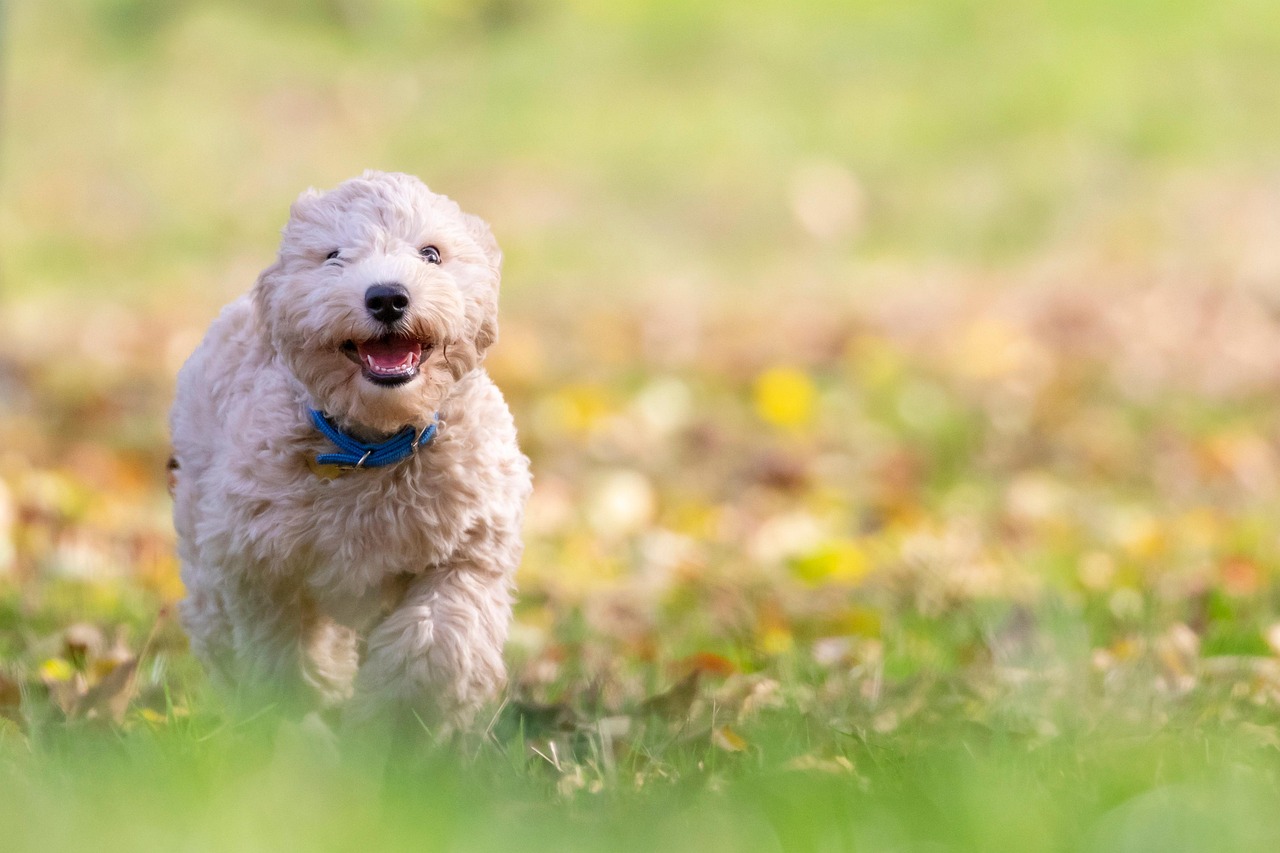

Using Toys and Games to Encourage Social Behavior
Dog socialization is essential for fostering appropriate behavior in various environments. Utilizing toys and games can significantly enhance this process. Engaging your dog in play not only promotes joy but also teaches valuable social skills. Positive interactions with other dogs and humans during playtime reinforce good behavior. Choosing the right toys is crucial; they should be safe and stimulating for your furry friend. Opt for toys that encourage sharing and are interactive, such as tug-of-war ropes or fetch balls. Also, consider using puzzle toys that challenge your dog mentally while providing fun. Games like hide-and-seek can stimulate your dog’s mind and encourage them to engage with other dogs and humans within your vicinity. Introducing a variety of toys can ensure practices remain fresh and exciting, keeping dogs engaged. Additionally, playgroups or puppy classes can facilitate learning through peer interactions. Essential to training is supervision, ensuring safe play and correcting any aggressive or unwelcome behaviors immediately. With patience and consistent engagement, toys and games will foster a socially adept dog, ready to take on the world confidently.
Types of Toys for Socialization
There are numerous types of toys that can aid in socializing your dog effectively. Choosing appropriate toys that promote interaction is vital for building social skills. Here are some examples that work well: first, consider interactive toys that require collaboration between dogs. Tug toys are excellent for this purpose as they invite dogs to play together, fostering teamwork. Second, consider fetching toys like Frisbees or balls that encourage dogs to race after the same object, promoting friendly competition. Next, puzzle toys that dispense treats can help dogs learn to share and wait their turn, enhancing patience and cooperation. Additionally, squeaky toys can entice curiosity and prompt dogs to interact with each other while they investigate the squeaking sound. Lastly, chew toys designed for multiple dogs allow for supervised sharing and prevent possessiveness. Moreover, rotating these toys periodically keeps playtimes vibrant and stimulating, ensuring your dog remains eager. Create a space conducive to play, allowing dogs to feel free and happy, which is essential for successful socialization. Overall, appropriate toy choices enrich the experiences of socialization without overwhelming them.
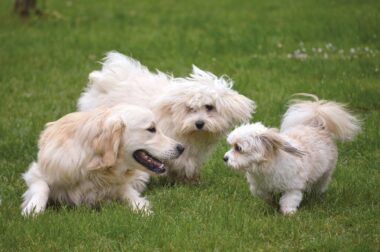
Engaging in games and toys creates opportunities for positive interaction with other dogs, crucial for social development. Regular playdates or organized group activities enhance your dog’s confidence while fostering social bonds. Games like ‘fetch’ not only entertain but also teach dogs to work together. For instance, when multiple dogs chase a ball, they learn to share the excitement surrounding the game. A well-organized playtime session should always start with a clear introduction, allowing dogs to familiarize themselves with each other. Additionally, using obstacle courses can create an engaging environment where dogs navigate challenges together, enhancing teamwork skills. Supervision is essential to prevent dominant behaviors from escalating. Be sure to have a calm atmosphere during play to maintain focus. When introducing new dogs, observe both behavioral cues and interactions closely; this will help ensure that play remains friendly and inviting. Praise positive behaviors and redirect any negative actions during playtime to guide social learning. Remember, it’s important to end play sessions on a positive note, ensuring dogs associate good feelings with social interactions. Over time, these organized sessions will lead to well-rounded, sociable dogs.
Techniques for Positive Reinforcement
Positive reinforcement techniques are powerful tools in training dogs to socialize effectively. When utilizing toys and games during play, rewarding desirable behaviors with treats or praise is essential. For example, when a dog shares a toy or waits patiently for their turn, providing positive reinforcement will encourage them to repeat these behaviors. Start by identifying specific actions that are desirable during play. Focus on rewarding behaviors such as appropriate play styles, following commands, or interacting calmly with other dogs. Additionally, when dogs engage in non-aggressive behaviors, promptly reinforce these actions with verbal praise or treats. Using toys as rewards during training helps associate socialization with positive experiences. Another beneficial technique involves clicker training, where the click sound marks good behavior. This helps in delivering immediate feedback, allowing dogs to understand which actions lead to rewards. Consistency in the application of these techniques remains paramount; dogs thrive on predictability in their training. Remember, setting realistic goals tailored to your dog’s temperament allows for success in socialization over time. Each dog is unique, and understanding their specific needs will lead to optimal outcomes in social interactions.
Incorporating structured games into your dog’s routine can significantly reduce anxiety related to social settings. A dog that is accustomed to various games is more likely to feel comfortable around other animals and humans. For instance, introducing chase games with familiar dogs can divert their attention away from anxiety-triggering scenarios. This creates a fun environment that builds trust. Furthermore, group games such as ‘Simon Says’ can reinforce commands amid distractions, preparing dogs for real-world experiences. Always allow for breaks during play; fatigue can lead to overstimulation and potential conflicts. Monitor your dog’s energy levels, ensuring that they are ready to interact positively. It’s essential to ensure they are not pushed beyond their comfort zones, promoting a sense of security instead. Additionally, hosting regular play sessions in safe environments aids in acclimatizing dogs to various sounds and sights while socializing. Incorporating household members, including children, fosters positive experiences exposing dogs to different people. Ultimately, these structured games enhance your dog’s resilience in social situations, allowing them to develop a confident demeanor while enjoying new friendships.
Conclusion: The Role of Play in Socialization
The importance of play in dog socialization cannot be overstated. Engaging with other dogs through games serves as an essential aspect of the training process. Through structured interactions, dogs learn critical social cues, like body language and appropriate responses. Play also provides an excellent opportunity for dogs to release pent-up energy, reducing frustration or anxiety. Over time, with consistent play, dogs will develop desired behaviors that lead to well-adjusted and friendly interactions. Moreover, the bonding that occurs during play helps strengthen the relationship between dogs and their owners. A dog that enjoys play is one that is likely to trust and feel comfortable with their human companions. It’s essential to create varied play experiences, constantly affording new challenges and interactions. This will keep both the body and mind stimulated for optimal growth. Remember patience is essential; socialization is a gradual process, requiring time and understanding. Investing effort in socialization early on will reap benefits in the long run, making life with your dog immensely rewarding. Overall, structure, fun, and positive reinforcement yield remarkable results during play.
In summary, utilizing toys and games as tools for encouraging social behavior in dogs can lead to many benefits. Through engaging interactions, dogs cultivate essential skills and develop confidence in social settings. Essential to this process is recognizing the appropriate toys that promote cooperation and interaction. By creating a rich play environment supported by positive reinforcement, you nurture dogs’ abilities to socialize amicably. Additionally, incorporating systematic techniques into training allows for meaningful learning experiences, benefiting both dogs and owners. Structured games offer avenues for reducing anxiety while encouraging healthy relationships. As owners, having regular play sessions fosters trust and bonding, allowing dogs to thrive in various situations. It’s vital to adapt approaches based on each dog’s needs, ensuring they remove barriers that could hinder their growth. Always remember to celebrate each achievement, no matter how small, as part of the training journey. By committing time to this vital aspect of your dog’s development, you’re ensuring a happy, confident, and socially adept companion. With love, attention, and play, you can cultivate behaviors that allow your dog to navigate the world with ease and joy.