
Why Sedentary Dogs Are More Prone to Obesity
Canine obesity is a growing concern affecting dogs worldwide. It is imperative to recognize the role of regular exercise in preventing obesity in our furry companions. An inactive lifestyle can lead to excess body weight, much like in humans. When dogs are not physically active, calories consumed can quickly surpass calories burned. This energy imbalance leads to weight gain, which can cause a variety of health issues including diabetes, heart disease, and joint problems. Regular exercise helps to maintain a healthy weight and minimizes these risks significantly. According to various studies, dogs that engage in daily exercise are less likely to become obese compared to those that are sedentary. Engaging in fun activities such as playing fetch or going for walks is essential. Moreover, exercise can also improve behavioral issues in dogs. When dogs are active, they are less likely to develop anxiety and destructive behaviors. Therefore, promoting a routine of regular exercise is key to ensuring a long and healthy life for your dog. Encouraging playtime and outdoor activities provides mental stimulation and enhances their overall well-being.
Obesity doesn’t just affect the dog’s body physically, but it can also have psychological effects. Dogs that are overweight may become less mobile and more lethargic, reducing their eagerness to engage in play. Their lack of enthusiasm can lead to isolation from family activities. This sedentary lifestyle may further enhance feelings of loneliness and depression in dogs. Physical activity is crucial not only for maintaining a healthy weight but also for keeping their spirits high. Providing dogs with ample opportunities to exercise daily can counteract this cycle. A simple stroll through the neighborhood or playing with other dogs at the park can provide all the stimulation they need. Social interaction with both humans and other animals fosters happiness and connection. Engaging in activities together strengthens the bond between pet and owner. This, in turn, boosts the dog’s confidence and overall happiness. Moreover, keeping dogs engaged in physical activities reduces the likelihood of developing obesity-related health issues. It is essential for pet owners to prioritize exercise as part of their dog’s regular routine. By doing so, you can enhance their quality of life significantly.
The Health Risks of Canine Obesity
Obesity in dogs can lead to many severe health complications that can shorten their lifespan. One of the primary issues is the increased risk of arthritis, which causes pain and discomfort in their joints. Overweight dogs carry extra weight, creating undue stress on their joints, leading to chronic pain and diminished mobility. Additionally, dogs prone to obesity are at higher risk for developing diabetes, which often requires lifetime management through medication and diet. Canine diabetes affects their overall health and quality of life. Furthermore, excessive weight can lead to respiratory difficulties that complicate everyday activities such as playing and walking. Vet bills can escalate due to these related conditions but could be minimized through preventative measures. Responsible ownership involves educating oneself on proper nutrition and exercise. Regular veterinarian visits are essential for monitoring your dog’s body condition score and addressing any weight-related concerns. By understanding the risks associated with obesity, dog owners can take proactive measures to ensure their dogs remain healthy. This includes fostering an active lifestyle for their pets through structured exercise programs tailored to each dog’s needs.
Nutrition plays a pivotal role alongside exercise in combating canine obesity. Understanding a dog’s dietary requirements is essential. Feeding dogs high-quality dog food is crucial, alongside monitoring portion sizes. Overfeeding and providing excessive treats can significantly contribute to weight gain. A well-balanced diet aids in the overall health of dogs, combining nutrients vital for energy and maintenance. In addition, providing access to fresh water is crucial to keeping dogs hydrated. Obesity can commonly occur with low-quality dog food that often contains high amounts of fillers. These fillers can lead to overeating, as they may not provide adequate nutrition. Dog owners must educate themselves regarding the ingredients in dog food and choose options that prioritize quality over quantity. Combining proper nutrition with regular exercise creates a balanced lifestyle for dogs. Creating consistent meal schedules can also prevent excess snacking and overeating. Monitoring your dog’s weight and adjusting their diet accordingly plays a significant role in weight management. This partnership between proper diet and exercise is critical in preventing obesity and maintaining a healthy, active lifestyle for your dog.
Activities to Promote Exercise
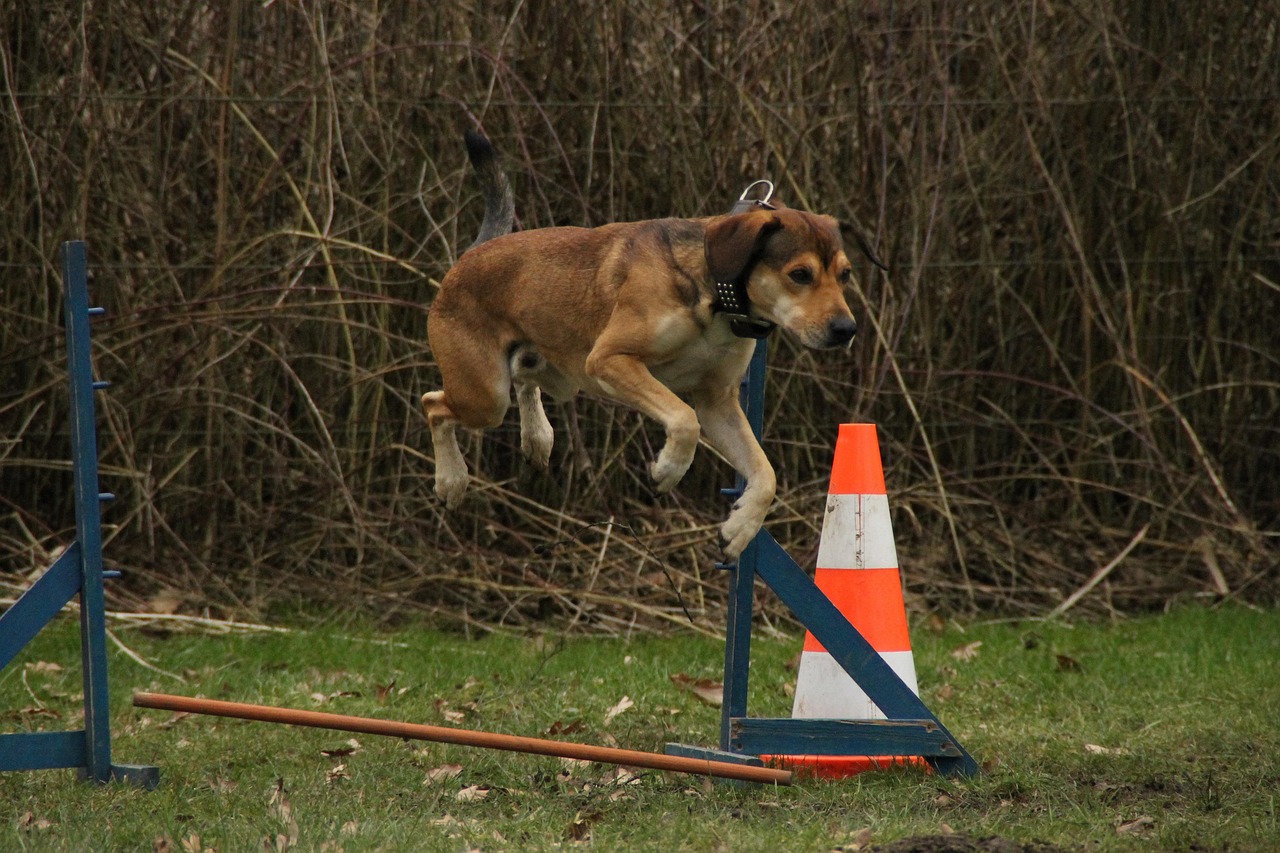
Engaging your dog in physical activities can take many forms, and variety is essential to maintain interest. Simple activities can include daily walks, but consider adding games and training sessions for additional stimulation. Fetch, tug-of-war, and agility courses are also brilliant ways to combine fun and exercise. These activities can help burn off energy and keep their minds sharp. Regular playtime not only provides physical benefits but also strengthens your relationship. Dog parks allow for socialization with other dogs. This interaction can boost mental health. Exploring different terrains during walks can also provide added stimulation for your dog. Hiking or taking strolls on nearby trails adds variety and enhances enjoyment. For those with limited mobility, playing interactive games like hide-and-seek can be beneficial. The key is to ensure your dog becomes excited about these activities, fostering a positive attitude towards exercise. Incorporating fitness into routines can make it enjoyable for both the dog and the owner. Remember to vary activities to prevent boredom, thus establishing exercise as a fun and necessary part of daily life.
Tracking progress is vital in managing a dog’s weight and overall health. Keeping logs of physical activities can motivate owners in maintaining regular exercise habits for their dogs. There are numerous apps and tools to assist with this, allowing you to track distance, duration, and various types of physical engagement. Monitoring the changes in your dog’s body condition can help tailor an activity program suited to their need. Regularly weigh your dog to assess weight changes as they adjust to a new routine. This can help determine if the interventions are effective. Furthermore, consulting with a veterinarian is crucial for recommendations and support. They can suggest specific exercise routines or dietary changes to cater to your dog’s specific situation. By actively tracking these metrics, you can both celebrate your dog’s successes and identify areas needing improvement. It provides wonderful motivation to both parties. All these measures ensure that canine obesity is kept at bay, further promoting a healthier, more engaging lifestyle. Participating in these practices helps cultivate a lifelong healthy habit starting from an early age, benefiting the dog’s future.
In summary, regular exercise is critical in preventing canine obesity. Sedentary dogs are more prone to becoming overweight, leading to numerous health complications. It’s important to develop a routine of consistent physical activity along with nutritious feeding practices. Both elements work together to support a dog’s overall health and happiness. Engaging in workouts not only benefits your pet physically, but also helps establish emotional and social health. Remember the importance of diversified activities to keep your dog interested, ensuring regular engagement. Keeping tabs on your dog’s progress fosters motivation for improvements and adjustments in daily routines. Owners must acknowledge the psychological aspect of obesity and how an active lifestyle impacts behavior. By investing time into activities that stimulate both mind and body, pet owners can significantly improve their dog’s quality of life and prevent obesity. Education regarding nutritional needs and exercise guidelines should be prioritized. Every dog deserves a friend, and that friend should be committed to providing a lifestyle that promotes health, activity, and joy. Let love and responsibility guide your choices to enabling a long, vibrant life for your canine companion.
In conclusion, it is essential to recognize that sedentary lifestyles increase the risk of canine obesity, and that exercise is a critical preventative measure. Dog owners should prioritize active lifestyles for their pets, incorporating varied activities that stimulate both body and mind. By understanding the health implications of obesity, caretakers can take proactive steps to implement healthier habits, ensuring a balanced diet and consistent exercise routines. Engaging with your dog through fun physical activities not only improves their body condition but fosters a joyful relationship between pet and owner. Offering an array of exercises keeps pets mentally engaged and excited about staying active. Moreover, tracking progress using available tools can help foster motivation to maintain these healthy habits over time. Consultations with veterinarians for tailored advice can further streamline the process of combating obesity. In nurturing a dog’s well-being, clearer pathways to a fulfilling and longer lifespan can be achieved. Remember, implementing these practices becomes a shared adventure that strengthens your bond and promotes overall happiness for both dog and owner. As responsible pet parents, we must cultivate environments that encourage movement and lively engagement in our beloved pets.