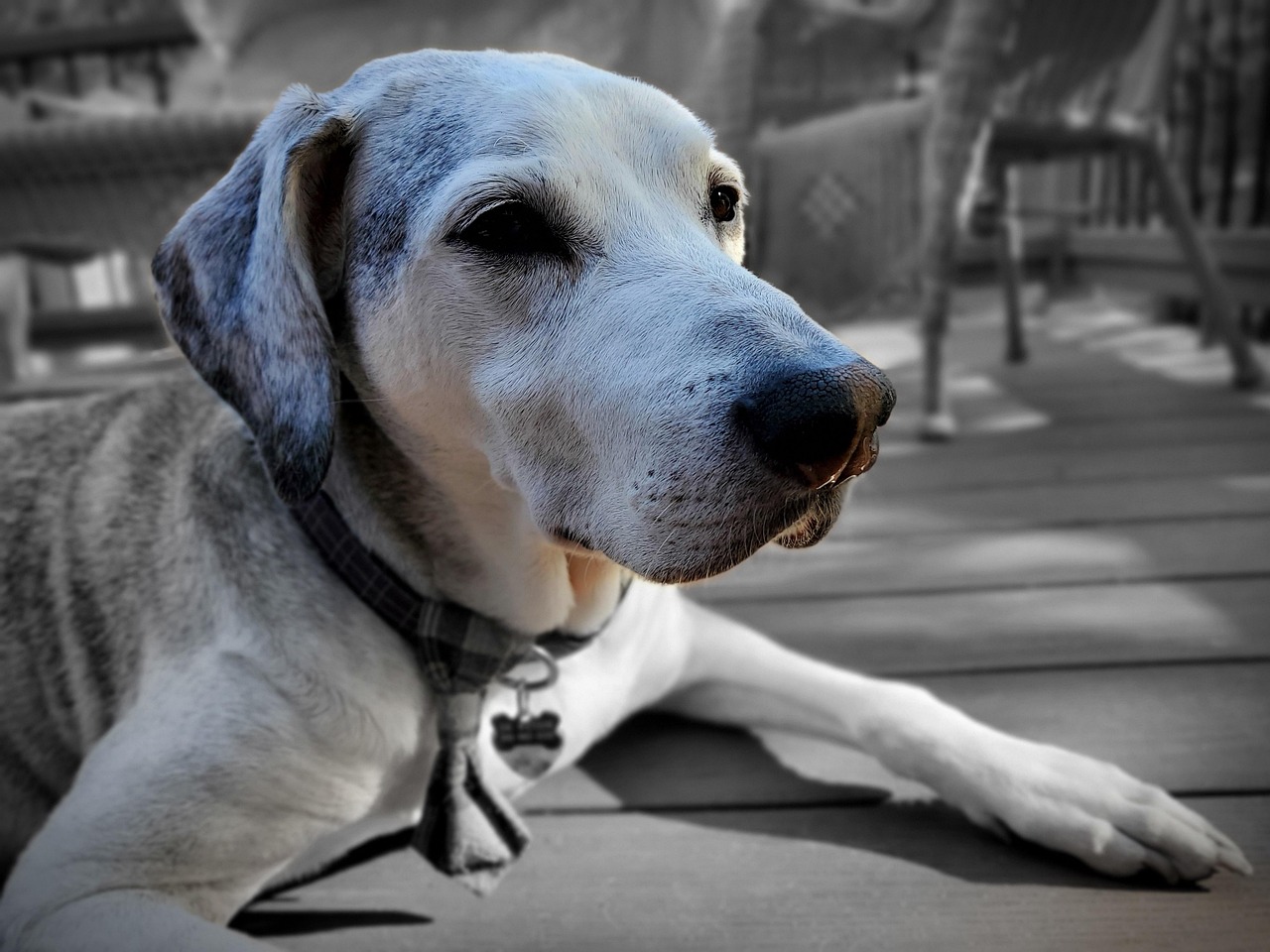

Behavioral Therapies for Senior Dogs Suffering from Anxiety
As our furry friends age, they may face various health challenges, with anxiety being a common one. Senior dogs often experience anxiety due to changes in their environment, health issues, or separation from their owners. Understanding anxiety in senior dogs is crucial for pet owners to provide the best care. It’s important to recognize the signs of anxiety, which may include excessive barking, restlessness, panting, or destructive behavior. Behavioral therapies are effective in managing anxiety in seniors and can significantly improve their overall well-being. One such method is positive reinforcement training, which involves rewarding desired behaviors to encourage them over time. This technique helps build the dog’s confidence and reduces anxiety triggers. Additionally, creating a calming environment at home contributes to anxiety alleviation; soft bedding, soothing music, or pheromone diffusers can create a more peaceful space. Regular routines also play a significant role in providing comfort and stability, thus reducing anxiety levels. Engaging in gentle exercises and mental stimulation helps senior dogs feel relaxed and less anxious. Finally, consulting a veterinarian about potential medication options can be beneficial for severe cases of anxiety.
Behavioral therapies can adapt to fit the unique needs of each senior dog. Dogs that exhibit anxiety may benefit from consistency in training and a well-structured daily routine. Enrichment activities like puzzle toys, gentle walks, or interactive play can engage their minds and alleviate boredom, which is often a precursor to anxiety. Familiarity within their living environment is crucial; maintaining a stable environment with known scents and sounds helps to reduce stress. Utilizing desensitization techniques can also be effective, where the dog is gradually exposed to anxiety-inducing situations in a controlled manner. Desensitization should pace according to the dog’s comfort level, allowing them to build resilience over time. Owners should remain patient throughout this process, as progress could take time. Another useful approach is the implementation of calming techniques such as massage or acupuncture, which may ease stress and enhance relaxation. Involving a professional dog trainer or animal behaviorist can provide additional guidance tailored to senior dogs suffering from anxiety. They can devise a personalized plan of action focusing on behavioral therapy and functional coping strategies. Ultimately, the goal is to improve the quality of life for senior dogs dealing with anxiety.
Socialization and Group Activities
Socialization plays a critical role in the emotional health of senior dogs. Encouraging positive interactions with other dogs and humans can help alleviate feelings of anxiety and loneliness. Group activities or classes tailored to senior dogs foster a sense of community and belonging. Gradual introductions to various social settings can expand their comfort zone without overwhelming them. As socialization progresses, dogs often become more comfortable with diverse stimuli, from different sounds to new environments. Owners should monitor body language closely to determine when a dog feels uncomfortable, allowing for safe early exits when necessary. Engaging in calm, structured playgroups can strengthen bonds while promoting relaxation and enjoyment in safe interactions. Additionally, visits to pet therapy programs may offer profound benefits, as trained therapy dogs bring solace and comfort to anxious seniors. Engaging with trained therapy animals can help encourage open interactions and diminish feelings of anxiety during social activities. Providing opportunities for senior dogs to meet others of their kind or people can create a stimulating and reassuring environment. Promoting social activities greatly contributes to alleviating anxiety and promoting overall mental health for these aging companions.
Consistency and predictability in daily routines are paramount in addressing anxiety among senior dogs. These animals thrive on structure, so having regular feeding, walking, and play times can instill a sense of safety and calm. Seniors often feel anxious due to unpredictable situations or changes in their environment. Creating a soothing atmosphere with familiar, comforting toys and bedding encourages greater relaxation. Owners should also take note of their dog’s specific triggers, whether they are noises, new environments, or changes in routine. Adjusting daily interactions to minimize exposure to these stressors is essential. It helps in nurturing a better home environment and significantly helps to ease anxiety symptoms. Basic commands should also be reinforced regularly to boost the dog’s confidence in their interactions. Simple commands like sit, stay, and come can significantly impact their behavior in stressful situations. Rewarding them with treats or praise increases positive reinforcement and decreases anxiety responses. Regular training sessions do not just reinforce discipline but also strengthen the emotional bond between the dog and owner, offering greater comfort and security in managing anxiety effectively.
Using Technology to Support Senior Dog Care
In recent years, technology has started playing an invaluable role in the care of senior dogs experiencing anxiety. Tools such as pet cameras allow owners to monitor their dogs remotely, providing peace of mind when away from home. With video capability, owners can observe their dog’s behaviors and identify when anxiety might hit. An alternative technology solution includes wearables designed to track the dog’s heart rate and activity levels, offering insights into their emotional state over time. These devices can help pinpoint high-stress moments and facilitate proactive measures. Additionally, various calming products incorporating technology exist. For instance, sound systems that emit calming sounds specifically designed for dogs can help alleviate anxiety in senior pets. Automated treat dispensers can also help incorporate positive reinforcement, allowing owners to reward their dogs for calm behavior even from afar. Smart home devices can indirectly support anxious dogs by adjusting the environment, such as dimming lights or playing soft music. Ultimately, leveraging technology can enhance care for senior dogs, offering reassurance while managing their anxiety more effectively. It empowers owners with tools that significantly improve their dog’s overall quality of life.
Another effective method to combat anxiety in senior dogs is through the introduction of a calming diet and natural supplements. Specific ingredients such as hemp oil, omega-3 fatty acids, and L-theanine can promote relaxation. Consult with a veterinarian before any dietary changes to ensure that the new diet supports the dog’s unique health needs. The addition of these supplements should be considered alongside behavioral therapies for optimal results. Many pet owners also find success in offering interactive feeding toys that stimulate mental activity and distract from anxiety triggers. These toys can slow down their eating while keeping them occupied, thus reducing stress. Engaging in activities that promote mental engagement is beneficial for all dogs. Creating a nutritious and balanced meal plan tailored to senior needs promotes overall health and well-being. Moreover, calming teas specifically designed for canine consumption are also emerging. These can be soothing and comforting, especially during stressful moments, such as thunderstorms or loud celebrations. Exploring these dietary and supplemental options can supplement behavioral therapies, potentially offering a multi-faceted approach to managing anxiety effectively.
Professional Help and Training
When behavioral therapies and home strategies fall short, enlisting the assistance of professionals can prove essential for managing anxiety in senior dogs. Professional dog trainers or behaviorists can provide expert assessments and tailored strategies that may specifically address a senior dog’s unique behavioral challenges. They can identify subtle anxiety triggers and work closely with both the dog and the owner to devise a comprehensive plan. These professionals often utilize humane training techniques aligned with the latest psychological understanding of canine behavior, ensuring the well-being of the dog. Attending classes or individual sessions with a certified trainer can greatly enhance the skills needed to support senior dogs effectively. Additionally, veterinarians specializing in canine behavior can help identify medical issues contributing to anxiety and recommend appropriate treatments or medications. Collaboration with these professionals ensures that pet owners receive well-rounded support, encompassing practical training techniques and essential medical insights. This holistic approach fosters a greater understanding of how to manage anxiety effectively. It ultimately contributes to the mental and emotional well-being of senior dogs, empowering owners with the knowledge to positively impact their dog’s life.
In conclusion, addressing anxiety in senior dogs necessitates a multifaceted approach that includes behavioral therapies, socialization, environmental modifications, and sometimes professional assistance. Each dog is unique, and what works for one may not be effective for another, emphasizing the need for patience and understanding from owners. Engaging in positive reinforcement techniques while creating stability in their daily routines significantly contributes to easing anxiety symptoms. Additionally, incorporating technology, dietary changes, and professional support can enhance the efficacy of a comprehensive anxiety management strategy. Owners must remain vigilant in assessing their dog’s behavior while adapting care practices as necessary. Ensuring these senior dogs have an enriching, secure, and loving home environment can make a tremendous difference in their emotional health. The bond nurtured between owners and their senior dogs during this phase should be emphasized and cherished. Through compassion, patience, and informed decision-making, pet owners can effectively manage anxiety and improve the quality of life for their beloved companions. Ultimately, both the owner and the senior dog benefit from a well-rounded approach to anxiety management, leading to happier, healthier lives together.