
Understanding Vitamin A and Its Benefits for Dogs
Vitamin A is essential for maintaining the overall health of dogs. This fat-soluble vitamin plays a significant role in various physiological functions, including vision, immune function, and skin health. Sources rich in Vitamin A include liver, fish, and specific vegetables such as carrots and spinach. Dogs who are deficient in this critical vitamin may experience severe health issues, including reduced immunity, poor vision, and skin disorders. Furthermore, Vitamin A is crucial for the growth and development of puppies. It aids in cellular functions and helps in the maintenance of epithelial cells, which are essential for proper immune responses. As a dog owner, it is essential to monitor your pet’s diet carefully to ensure they receive sufficient Vitamin A for their specific needs. Over-supplementation can lead to toxicity, resulting in potentially harmful symptoms. Always consult your veterinarian before making significant changes to your dog’s diet or introducing new supplements that could affect their health. Regular checks will guide you on balancing their intake effectively, promoting optimal health and longevity.
The Role of Vitamin A in Vision
One of the most crucial roles of Vitamin A in dogs is its contribution to maintaining healthy vision. Vitamin A holds its importance primarily due to its role in forming rhodopsin, a protein in the retinal cells that enables vision in low-light conditions. A Vitamin A deficiency can quickly lead to poor night vision and, in severe cases, permanent blindness. Regularly incorporating Vitamin A-rich foods into your dog’s diet enhances their visual capabilities and overall eye health. Additionally, this vitamin supports the structure and health of the cornea, which protects the eye’s surface. When dogs are exposed to a good source of Vitamin A, they are less likely to develop issues such as dry eyes or conjunctivitis. To enrich their diet, consider adding foods rich in this vitamin, such as carrots, sweet potatoes, and dark leafy greens. However, moderation is key to avoid over-supplementation that may lead to toxicity. Ensure that any dietary changes are coupled with professional veterinary advice to determine the best approach for your dog’s vision and overall wellbeing.
Vitamin A is also vital in promoting a healthy immune system in dogs. It helps in the production of white blood cells, which are crucial for fighting infections. A strong immune system can resist diseases and respond effectively to challenges like viruses and bacteria. Dogs that lack sufficient Vitamin A tend to be more susceptible to illness and may experience slower recovery rates from infections. Regularly including Vitamin A in their diet can bolster your dog’s immunity, ensuring better overall health. This is especially important for puppies and aging dogs, who may require more support for their immune systems. Foods rich in this vitamin not only help sustain immunity but also support skin health, reducing the risk of skin allergies and irritations. An adequate supply of Vitamin A can promote a shiny coat and healthy skin, inspiring confidence in your pet’s appearance. An appealing coat often reflects your dog’s inner health, benefiting their social interactions. Always ensure that your dog receives a balanced diet rich in essential vitamins, including Vitamin A, for a robust immune response and optimal skin condition.
Vitamin A and Skin Health
A dog’s skin and coat condition may reveal a lot about their overall health, and Vitamin A is key to maintaining healthy skin. This essential vitamin plays a critical role in regulating cell production and growth, critical for skin health. It supports the synthesis of glycoproteins that the body needs to keep skin hydrated and to function correctly, which helps prevent dryness and irritation. Dogs lacking Vitamin A may develop flaky skin, dandruff, or excessive itching. By incorporating foods rich in this vitamin into their diet, pet owners can vastly improve their dog’s skin health. Foods such as liver, carrots, and various leafy greens are excellent sources that provide the necessary nutrients. As they consume these foods, their bodies receive the needed support in regenerating and repairing skin tissues. Regular veterinary check-ups can help determine if your dog requires additional supplements, which may be beneficial in certain scenarios. Overall, ensuring your dog receives proper nourishment with a focus on Vitamin A may markedly improve their skin and coat condition.
Should you consider supplementing your dog’s diet with Vitamin A? While it is essential for overall health, the answer isn’t always straightforward. Some commercial dog foods already contain adequate levels of this vitamin, ensuring your pet’s nutritional needs are met. If you are unsure whether your dog is getting enough Vitamin A, consulting with a veterinarian is advised. They can conduct tests to determine any deficiencies and guide you in choosing proper supplements if necessary. It’s worth noting that excessive Vitamin A can lead to toxicity, resulting in symptoms such as lethargy, vomiting, and even bone deformities. When considering supplements, always prioritize natural food sources first, as they provide additional nutrients that work in synergy with Vitamin A. Additionally, maintain a balanced approach to your dog’s diet by ensuring they receive a variety of nutrients from all food groups. This holistic approach supports your dog’s overall well-being and reduces the risk of nutritional imbalances. Monitor your dog’s condition regularly to adjust dietary needs based on their health status and lifestyle.
Recommended Dosage and Sources
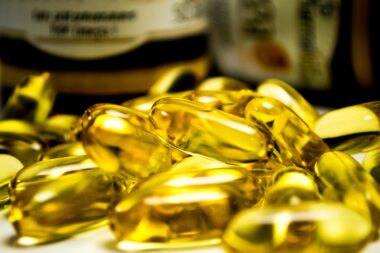
Understanding the appropriate dosage of Vitamin A for dogs is essential for achieving the best health outcomes. The recommended daily allowance of Vitamin A depends on several factors such as age, size, and activity level. Generally, puppies require more Vitamin A due to their rapid growth rates, while adult dogs may need maintenance levels. For an accurate dosage tailored to your dog’s specific needs, consult your veterinarian for guidance based on their individual health profile. Natural sources like fish liver oil, carrots, and leafy greens are excellent to incorporate into your dog’s meals. Always ensure these foods are prepared appropriately to maximize their nutritional value. For example, cooking carrots can help dogs digest the nutrients more effectively compared to raw. Keep in mind that each dog’s nutritional requirements are unique, and fostering a relationship with a veterinarian can help you navigate these needs successfully. Regular monitoring and adjustments to their diet will help maintain proper Vitamin A levels, ensuring long-term health and vitality. A well-informed approach to supplementation will contribute to your dog living a vibrant, healthy life.
Lastly, pursuing an optimal balance of Vitamin A ensures that your dog enjoys a long and healthy life. Be attentive to any signs of deficiency or toxicity, adjusting food intake accordingly. Dogs exhibiting poor coat condition, frequent infections, or vision issues may indicate a need for dietary changes. A well-rounded diet will not only fulfill their Vitamin A requirements but also contribute to much-needed fiber, protein, and fat content that plays crucial roles in their overall vitality. Investing time in understanding your dog’s nutritional needs will yield vital returns in their health. Engaging with your vet will facilitate a better grasp on the right balance, leading to targeted dietary interventions. When in doubt, err on the side of caution, ensuring they do not receive too much of this vital vitamin. Routine health check-ups will determine if there are any emerging deficiencies or health concerns. By creating a dietary plan that focuses on food sources rich in Vitamin A, pet owners can significantly improve their dog’s quality of life, allowing them to thrive and enjoy their time with you.