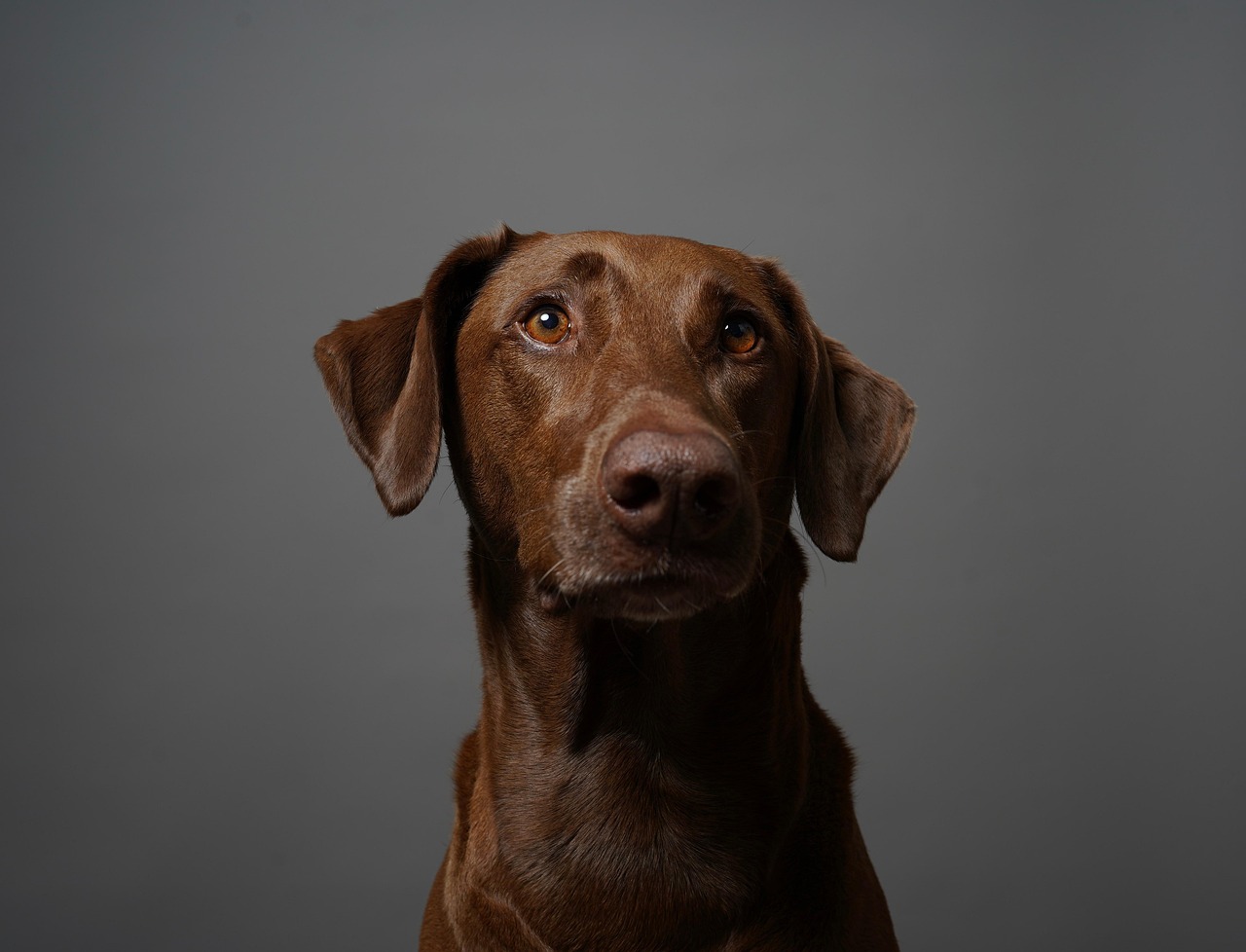

Understanding Exposure Basics
In dog photography, understanding exposure is crucial for capturing stunning images. Exposure involves three fundamental settings: aperture, shutter speed, and ISO. The **aperture** impacts the amount of light entering the camera and affects depth of field. For dog photography, a wider aperture (like f/2.8) can blur backgrounds, emphasizing the dog. **Shutter speed** controls how long the camera’s sensor is exposed to light. Faster shutter speeds (1/500 sec or faster) are essential for freezing quick movements, such as a dog running or jumping. The **ISO** setting adjusts the camera’s sensitivity to light. Higher ISO values are useful in low-light situations but can introduce noise. Experimenting with different settings will help you find the right balance for various lighting environments. Furthermore, consider photographing during the golden hour, where soft lighting enhances images. When beginners understand these basics, they can craft their photography style. Practice with different settings and review images to determine what works best. Thus, mastering exposure is a stepping stone to improving your dog photography, providing foundational skills to elevate your compositions effectively.
For your dog photography classes, understanding the role of white balance is equally essential. White balance ensures that colors appear accurately in photos, especially under various lighting conditions. Automatic white balance often works well, but manual adjustments can yield superior results. **Daylight** settings are ideal for outdoor shoots, while **shade** settings compensate for cooler light. For **indoor photography**, try the tungsten setting or adjust the temperature manually to achieve accurate skin tones and fur colors. Using a grey card can help achieve precise balance. Lighting conditions can dramatically affect how your photos of dogs turn out. A properly set white balance can enhance colors, showcasing the dog’s personality and environment. Additionally, utilizing reflectors can help manipulate natural light, illuminating the dog’s face without harsh shadows. Practice adjusting the white balance in different environments during your workshops. Experimentation will help you comprehend how lighting influences color rendition. As you grow in understanding, your photographs will automatically gain vibrancy. Mastery of white balance complements other camera settings, creating stunning dog portraits filled with personality and warmth, making your workshops significantly more engaging.
Composing Dynamic Dog Portraits
Composing photographs effectively can make a significant difference in the impact of your dog images. Employing the rule of thirds is a helpful technique, splitting the frame into a three-by-three grid. Positioning the dog along these lines or at intersections creates a more engaging photograph. Additionally, consider the dog’s eye level while photographing. Lower angles often capture the dog’s expression and personality better, offering an intimate perspective. Framing is an essential aspect; include elements like trees or fences to provide context and depth. Experimenting with various angles can lead to more dynamic captures. Utilize leading lines to draw the viewer’s eyes toward your subject. Similarly, look for natural frames such as doorways or arches to highlight your dog. Remember to simplify the background to avoid distractions; a clean background keeps the focus on your furry friend. The light direction also plays a key role; backlight can create a halo effect, while soft frontal light reveals details in the dog’s fur. Engaging compositions and thoughtful framing improve your dog photography, captivating viewers more effectively by enhancing the essence captured in every image.
Using the right focal length is vital in dog photography. Each lens offers different features, enhancing specific aspects of your subject. Telephoto lenses, such as 70-200mm, allow shooters to capture subjects from a distance, offering unique perspectives without disturbing the dog. Conversely, wide-angle lenses help create a sense of space, which is useful in outdoor action shots. However, it’s essential to select the right lens based on the photography style you wish to achieve. Primes can also excel in low light, providing splendid sharpness and clarity. Familiarizing yourself with your camera’s focal lengths will allow you to translate your vision more effectively. Understanding depth of field contributes to focusing attention on the dog while softening distracting details. It’s advised to experiment with various lenses during your workshops, allowing participants to see the creative possibilities offered by each choice. The significance of lens selection is paramount; it will shape the story captured within the photo. When instructors demonstrate their creative journey with diverse lenses, students can learn valuable insights into the diverse world of dog photography, leading to better choices in their shooting mechanics.
Capturing Action Shots
To maximize the potential of dog photography, understanding techniques for capturing action shots is essential. Dogs are playful creatures, often caught in exciting moments when at play or running. A fast shutter speed is vital to ensure your images remain sharp, especially during crucial moments. Shooting in continuous burst mode is highly recommended for capturing multiple frames as the action unfolds, ensuring you won’t miss a moment. Anticipation is key; try to predict the dog’s movements based on their behavior. Shooting from a lower angle can also add drama to your images, bringing viewers closer to the action. When photographing agility or dog sports, try panning shots using slower shutter speeds for artistic effects, where the background blurs while the dog stays in focus. Also, consider using props or fun toys to capture their attention. The excitement of a ball or frisbee can lead to spontaneous moments of joy, worthy of clicking. Engagement is a critical factor in your photography classes, ensuring students feel connected to the subject, promoting creativity and passion, leading to images that genuinely express the fun and energy dogs embody.
Post-processing your dog photos effectively can elevate your images significantly. Learning software like Adobe Lightroom or Photoshop will help you enhance colors and exposure in your photographs. Basic adjustments like contrast, brightness, and saturation can make a substantial difference. Pay attention to sharpening your images, especially if they appear soft due to movement. Crop wisely; removing distractions or unwanted elements can strengthen your composition dramatically. Applying filters and presets can save time during editing, but it is essential to maintain a natural look that emphasizes the dog’s features. Share these techniques during your classes, ensuring participants understand the balance between editing and authenticity in their work. Furthermore, creating a consistent style in post-processing can help unify a portfolio, making images recognizable and professional. Encourage students to experiment with such techniques, fostering individual creativity. Outcomes should enhance the dogs’ playful essence while retaining their distinct personality. The emphasis on developing post-processing skills is vital in your workshops, helping students grasp how editing transforms good photographs into outstanding ones, ultimately enriching their dog photography journey.
Integrating Photography as a Business
Lastly, integrating dog photography into a business model can be exciting and fulfilling. Building a brand involves developing your unique style and showcasing your work effectively. Establishing an online portfolio using platforms like WordPress can help attract potential clients. Utilize social media platforms to engage with the dog lover community, sharing your work, behind-the-scenes processes, and tips for fellow enthusiasts. Networking with local pet businesses, trainers, and groomers provides referral opportunities that can fuel your business growth. Hosting workshops, as you will, not only teaches others but can also enhance visibility, attracting new clients. Consider offering promotional packages for dogs’ first photo sessions to attract customers. Always prioritize customer relations; communication and responsiveness can ensure satisfied clients, leading to repeat business. Encourage students to view dog photography from a professional perspective, helping them understand its viability as a career. Workshops should inspire and motivate, highlighting that passion can translate into a rewarding business. Building a brand, connecting with clients, and effectively utilizing workshops can create a fulfilling journey for aspiring dog photography professionals.
With each of these lessons combined, students will not only learn the technical skills of dog photography but also the creative elements that make a photograph truly exceptional. Understanding camera settings plays a crucial role in capturing stunning dog photographs filled with personality and joy. By mastering techniques covering exposure, composition, action shots, post-processing, and even business integration, your photography workshops will stand out. Encouraging enthusiasts to engage with their subjects, immerse themselves in their surroundings, and embrace creativity is vital for their growth as photographers. Their passion fuels the need for improvement, resulting in enjoyable and rewarding experiences capturing dogs in their natural states. Each session will nurture their skills, allowing for exploration and creativity. Providing a supportive environment helps cultivate confidence, enabling budding photographers to express themselves fully. The world of dog photography is vibrant and dynamic, making every click of the shutter an opportunity for capture. From adjusting camera settings to cultivating a unique style, students will embark on their creative journeys fuelled by passion and enthusiasm for the art of photography. This holistic approach to dog photography creates a community of likeminded individuals seeking shared experiences and knowledge.