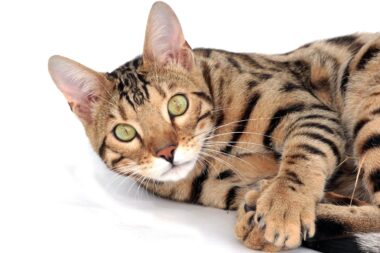

Creating a Sustainable Breeding Program: Step-by-Step Guide
Breeding cats responsibly requires a thorough understanding of animal welfare, genetics, and sustainability. First, you must define your breeding goals, emphasizing traits that enhance health and temperament. This includes selecting individuals based on genetic diversity to minimize genetic disorders. You should also establish a comprehensive health screening process, testing for common feline diseases. Documentation of each cat’s lineage and health history fosters transparency and allows potential buyers to make informed decisions. Through education, attend seminars or workshops related to feline genetics to stay updated. Additionally, cultivate relationships with other breeders and veterinary professionals to exchange knowledge on breeding practices. Regular check-ups and monitoring of breeding pairs are vital to preserving health standards. Adopting a sustainability mindset encourages using eco-friendly products, such as biodegradable litter and natural food options. Create an outline of procedures and ethical guidelines to adhere to throughout the breeding process. Ultimately, the primary goal should always be ensuring the highest quality of life for every cat involved in your breeding program.
Essential Planning for Breeding
A successful breeding program begins with thorough planning and organization. You must assess your resources holistically, considering space, finances, and the number of animals you can care for. Draft a simple but effective breeding plan that outlines your objectives and timelines. Allocate a dedicated space for your breeding cats where hygiene and comfort are prioritized. Familiarize yourself with local laws and regulations concerning cat breeding, as this will help avoid legal issues. It’s crucial to develop a strong network of trustworthy veterinarians, as they will provide necessary health checks and vaccinations. Building sound relationships with potential buyers is equally important; communicate the importance of adopting responsibly. Prepare informational materials to educate them on the specific breed’s needs, behavior, and care. This approach not only enhances your reputation but encourages ethical ownership. Consider discounts or incentives for spaying or neutering cats to promote pet population control. Additionally, maintain an accurate financial record to assess the program’s profitability and sustainability. Being proactive in these areas ensures that you set a solid foundation for long-term success.
Selecting Responsible Breeding Pair
Choosing the right breeding pair is fundamental to a successful program focused on sustainability. Start by assessing characteristics of both cats, prioritizing breed standards concerning health, temperament, and physical attributes. Investigate the lineage of each cat to identify any genetic potential issues and ensure the preservation of desirable traits. Consider using health screening tests to reveal underlying genetic conditions that could transfer to offspring. After you’ve selected a breeding pair, observe their interactions to ensure compatibility and lower stress levels. A positive relationship between male and female cats can significantly influence both conception rates and the health of kittens. Additionally, think about the ongoing nutritional needs of both cats. Supply a high-quality diet to maintain their overall health and ensure they are in optimal condition for breeding. Once the mating occurs, closely monitor the female cat’s pregnancy journey for any complications. This applies to any special dietary or medical needs she might require. Always be prepared to provide necessary veterinary care at any stage of the breeding process, ensuring both queen and kittens thrive.
As part of a sustainable breeding program, an essential aspect pertains to the care of the pregnant queen. Ensure she has a designated, safe nesting area where she feels secure. This space should be peaceful and temperature-controlled to promote a stress-free environment. Regular veterinary check-ups are vital during her pregnancy to monitor fetal development and overall health. Offer her a specially formulated diet that provides essential nutrients and maintains her energy during this demanding time. Prepare to closely monitor changes in her behavior or appetite that might indicate any complications. In the immediate weeks leading up to her due date, complement her diet with high-energy food to support her needs. As the birthing time approaches, it is paramount to equip yourself with a proper understanding of the birthing process, known as whelping. Consider having a checklist that includes supplies such as clean towels, a heating pad, and an emergency vet contact. Post-delivery, the focus should shift to monitoring the health of both the mother and her kittens. Instill a routine for daily checks on them, ensuring they thrive in a nurturing atmosphere.
Nurturing Kittens for the Future
After the kittens are born, nurturing them properly is key to ensuring their future health and well-being. Start with a safe and warm area, as kittens are particularly susceptible to temperature fluctuations. Ensure the mother has access to high-quality food to support her lactation needs, as this will directly benefit her offspring. During the newborn phase, keep interactions minimal and allow the mother to bond with her kittens. Once the kittens begin to grow, introduce gentle handling to help them acclimate to human interaction. It’s critical to keep records of each kitten’s health, weight, and significant milestones. Make arrangements for early socialization opportunities, which are vital for their emotional development. Consider exposing them to various household noises and gentle human contact to foster confidence. Schedule a veterinary visit to discuss vaccination protocols and routine health checks. Early identification of potential health issues provides opportunities for timely intervention. Begin preparing them for adoption by documenting their lineage, health records, and personality traits to ensure they find suitable homes.
Adoption is the final phase of a breeding program and should be handled with care and consideration. When potential adopters express interest, conduct thorough interviews to gauge their understanding of responsible pet ownership. Ensure you provide prospective owners with comprehensive care instructions regarding the breed’s specific needs and health requirements. Consider implementing an adoption agreement that includes clauses on spaying or neutering, which helps control the pet population effectively. Inform adopters about common behaviors and the importance of keeping up with veterinary care. Encourage feedback from those adopting your kittens, as their stories help build a connection to your breeding program. Maintaining a relationship with adopters can also foster a community focused on the breed’s welfare. You may choose to organize periodic follow-ups or meet-ups for owners to share experiences and insights. This initiative could promote responsible ownership while allowing for the exchange of knowledge about the breed. Documenting these experiences not only enriches your understanding but also informs your breeding practices in the future. In conclusion, sustainable breeding involves dedication, preparation, and a commitment to animal welfare.
Conclusion and Future Directions
Creating a sustainable breeding program is a challenging yet rewarding endeavor. Emphasizing responsible breeding practices not only benefits the inherent values of your program but also enhances the broader feline community. Continuous learning and adaptation are essential, as both veterinary medicine and animal behavior evolve over time. Pay close attention to feedback from fellow breeders, veterinarians, and adopters, as this information proves invaluable. Regularly assess and refine your practices to stay aligned with sustainable goals while upholding the integrity of the breeding process. Explore advancements in feline genetics, as new research may offer insights into further enhancing health and temperament. Consider joining breeding organizations and attending workshops to expand your knowledge and network. Always prioritize ethical breeding over profit; your focus should be on the welfare of each animal involved. By fostering awareness within your community, you can help promote a broader culture of responsible breeding. Ultimately, sustainability in cat breeding fosters not only healthy cats but enriches human lives through deeper connections with their feline companions. Adopt these principles, and you will contribute meaningfully to the future of sustainable breeding practices.