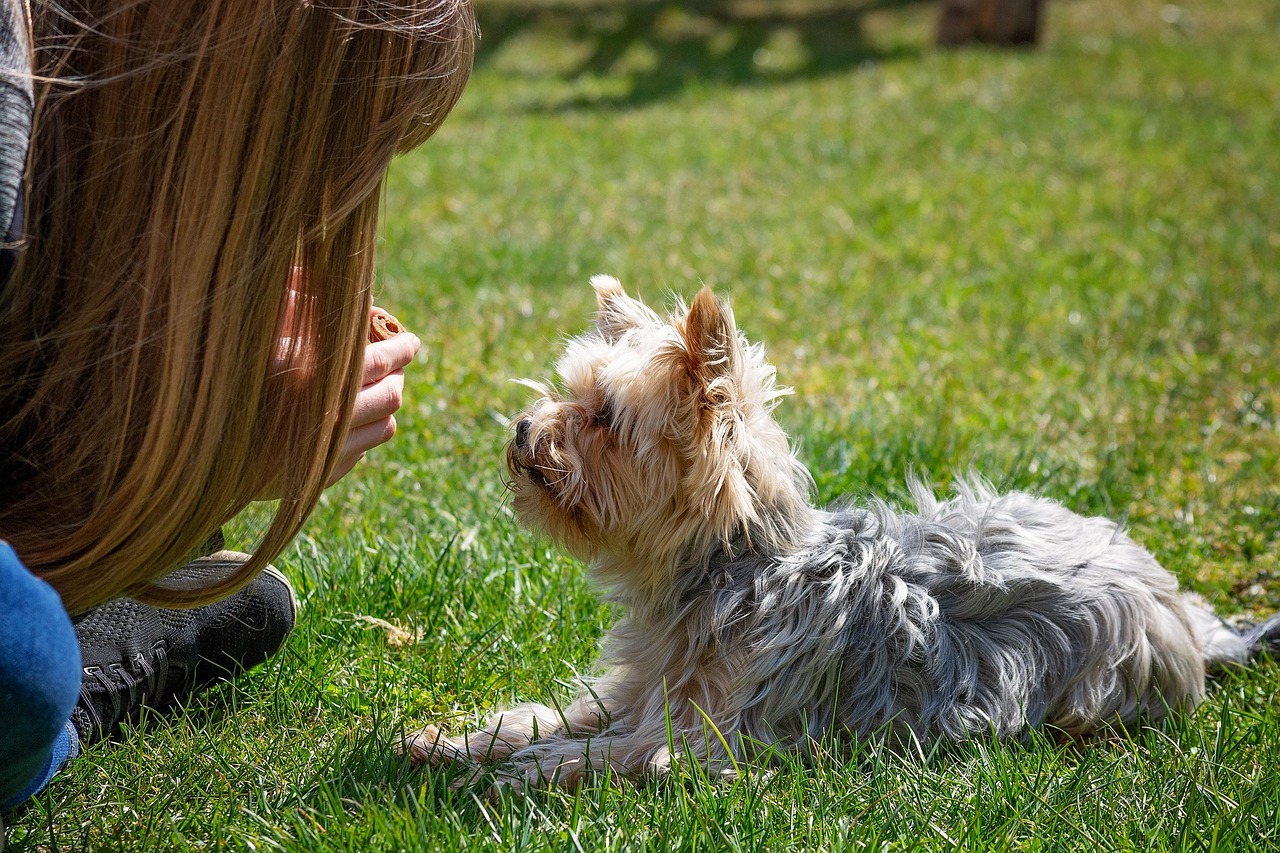

Using Clicker Training to Manage Aggression
When dealing with aggressive behavior in dogs, clicker training stands out as an effective method. This form of training is based on positive reinforcement, where desired behaviors are rewarded to encourage their recurrence. The clicker, a handy device that makes a distinct sound, is used to mark the moment the dog exhibits the correct behavior. This sharp, clear sound helps communicate to the dog that it has done something right, and it should be reinforced with a treat. By consistently using the clicker in conjunction with treats, owners can shape their dogs’ responses to triggers that normally cause aggression. Timing is crucial during training; the dog must be clicked immediately after the desired behavior for it to connect the click with a positive outcome. Over time, this method can effectively reduce aggressive tendencies, allowing the dog to react more calmly in situations that previously caused outbursts. In some cases, this training can make a significant difference in the dog’s ability to socialize and interact appropriately with both humans and other animals, promoting a more peaceful and harmonious environment for everyone.
To implement clicker training, it is essential first to establish a strong association between the clicker sound and the reward. Begin in a quiet setting, free from distractions, and click whenever the dog exhibits calm behavior. For instance, observe your dog when it sees another dog or a person. If your dog remains calm, click and reward this behavior immediately. Repeat this several times to reinforce the desired behavior. As your dog starts to understand the association between the click and a treat, increase the challenges. Now, click only when your dog remains calm in progressively more distracting environments. This gradual exposure helps the dog learn to manage its response under various circumstances. Be patient; aggression often develops over time and takes time to modify. Remember to keep training sessions short and fun. A positive, encouraging atmosphere enhances learning. Additionally, utilizing high-value treats increases motivation. This process requires commitment from the handler as well; staying consistent and reinforcing good behavior is vital in managing aggression through clicker training.
Understanding Triggers for Aggression
Identifying your dog’s triggers is integral to effectively using clicker training for aggression control. Aggressive responses can be caused by a variety of stimuli including unfamiliar dogs, loud noises, or rush of unfamiliar people. Conducting a thorough evaluation of the scenarios that provoke your dog can help in tailoring your training sessions. Maintain a journal of these episodes, noting what happens before, during, and after an aggressive episode. For example, does your dog react to the sight of another dog? Does it become defensive when approached by strangers? Understanding these triggers allows you to begin creating a safe space while practicing clicker training. Start with far-off exposures to the triggers, where the dog can still focus on you rather than reacting aggressively. Gradually decrease the distance as your dog shows improvement. Pay attention to its body language, which can provide important feedback on its comfort level. Utilizing this method aids in reducing the dog’s reactivity. It is a systematic approach to modifying behavior and ensuring safety for your pet and others.
Consistency is paramount in any dog training method, especially when utilizing clicker training for aggression management. Establish a structured routine that your dog can expect, incorporating clicker training into daily activities. For instance, practice during daily walks or playtime to reinforce calm behaviors consistently. Ensure all family members are on the same page and utilize clicker training consistently to avoid confusing the dog. Mixed signals can hinder progress significantly. Implementing a standardized command system reinforces memory and response to triggers. Additionally, practice patience throughout the process; every dog learns at its unique pace, and some may take longer to adjust than others. Monitoring and documenting progress can help owners stay motivated. Celebrate small victories by noting improved reactions in increasingly challenging situations. It’s crucial not to punish your dog for aggressive displays during training, as punishment can exacerbate fear or aggression. Instead, focus on positive outcomes, rewarding progress, and reinforcing good behavior consistently. This positivity fosters trust between you and your dog, creating a safe space for learning and growth.
Incorporating Other Training Methods
While clicker training is highly effective, incorporating other training methods can enhance aggression management strategies. Combining techniques, such as desensitization and counter-conditioning, can yield effective results. Desensitization involves gradually exposing your dog to their trigger at a distance where they remain calm, while slowly decreasing that distance over time. Counter-conditioning involves changing your dog’s emotional response to a particular stimulus. For example, if your dog reacts aggressively to the presence of another dog, rewarding calm behavior by giving treats can change its feelings. It becomes increasingly likely to associate seeing another dog with positive experiences rather than stress. This combination can amplify the effectiveness of clicker training. Moreover, seeking professional help from a certified dog trainer or behaviorist might provide customized strategies, particularly for severe aggression issues. These professionals can develop tailored training plans that incorporate clicker training and other methods, providing additional support for owners. Remember, every dog’s behavior is unique, and finding the right combination of techniques can substantially accelerate progress towards a more manageable and calm demeanor.
As you engage in clicker training for aggression management, it’s vital to recognize stressors that might interfere with your dog’s training experience. Factors such as tiredness, fear, or anxiety can hamstring progress. Before training sessions, ensure your dog is in an optimal mental state. Scheduling training during calmer times of the day, when your dog is naturally more focused and relaxed, can yield better results. Limit distractions by finding quiet locations to train, allowing your dog to concentrate completely on the task at hand. If your dog displays signs of stress — such as panting or whining — consider pausing the training until it calms down. It’s essential to gauge your dog’s readiness and willingness to learn, adjusting the pace of training accordingly. Recognize when your dog may need more breaks or lighter sessions to maintain engagement. Adapting your approach to suit your dog’s emotional state can foster a more pleasant experience, reinforcing your bond. Positive emotional connections serve as the foundation for successful learning and aggression management, making this a fundamental part of your overall training journey.
Celebrating Progress and Patience
Celebrating progress is crucial when utilizing clicker training to curb aggression in dogs. Each small victory during training should be acknowledged, whether it’s maintaining composure around potential triggers or responding positively to commands. Rewarding these moments reinforces good behaviors, promoting a positive culture around training. Tracking these milestones can bolster motivation for both the dog and owner, especially during challenging phases. Keep in mind that every dog learns differently, and some may progress more rapidly than others. Patience is critical in this endeavor. When setbacks occur, avoid frustration; instead, step back and reassess the strategy being employed. Don’t hesitate to adjust methods if things aren’t working; flexibility is key. Returning to foundational commands or basics can sometimes help realign focus and strengthen skill sets. It’s essential to remember that aggression is often rooted in anxiety and fear, requiring extra compassion. Offering ongoing affection and trust-building experiences can significantly influence your dog’s sense of security. This supportive environment enables effective aggression management through clicker training, ensuring both the owner and dog can enjoy the journey together.
Finally, integrating clicker training into a comprehensive behavioral management plan promotes long-term success in controlling aggression. This holistic perspective encompasses regular vet check-ups to rule out any medical issues influencing aggression, a solid daily routine that includes physical and mental enrichment, and continuous social exposure to a variety of environments and experiences. All these factors play a critical role in ensuring your dog can lead a fulfilling and balanced life while learning to manage its aggression effectively. As you embark on this journey, consider maintaining connections with fellow dog owners or joining training groups that share similar experiences and challenges. Collaboration with others can provide invaluable insights and support. Remember that training is not just about correcting behaviors but also about enhancing your rewarding relationship with your dog. Through time, patience, and perseverance, you will foster an environment where your dog can thrive while also learning to approach life’s challenges with calmness and assurance. With dedication and the right training techniques, managing aggression through clicker training can transform not only your dog’s behavior but also the quality of your shared life.


