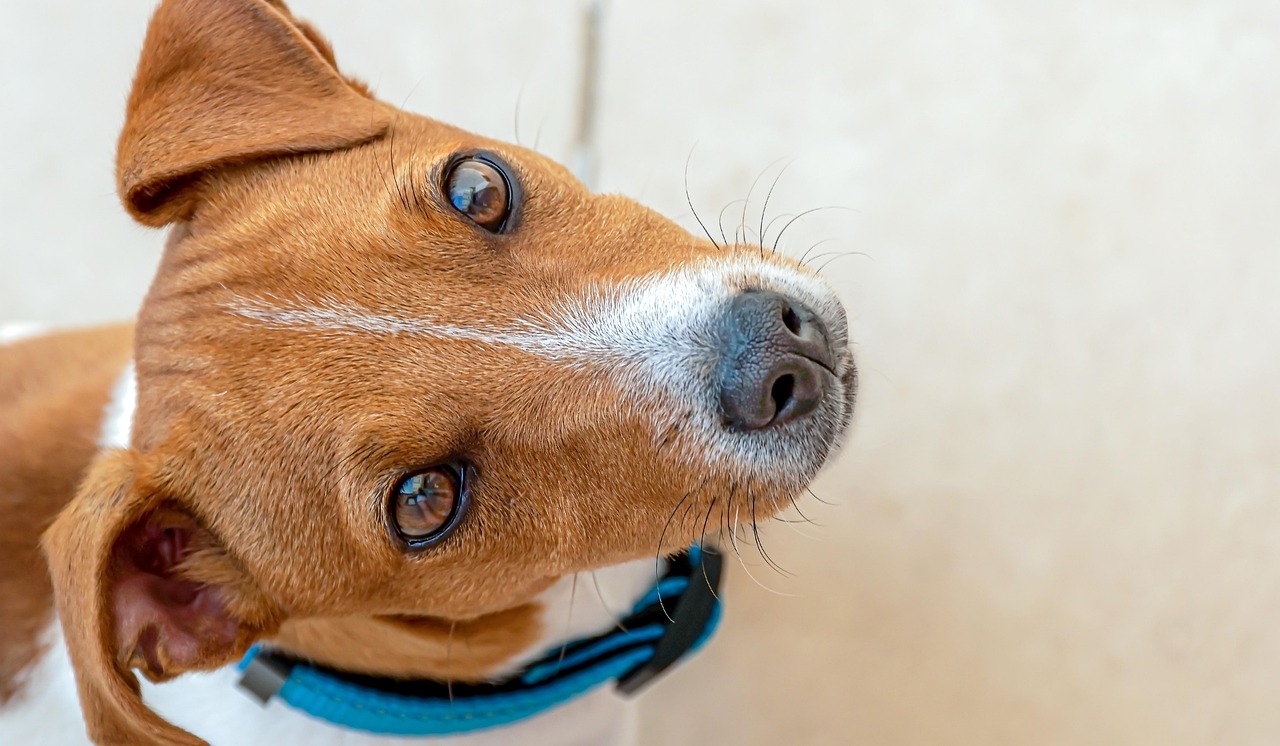

Understanding Your Jack Russell Terrier
Your Jack Russell Terrier is a lively and intelligent breed, known for its energetic behavior and playful nature. Socializing your Jack Russell with other pets is essential for ensuring they grow into well-adjusted adults. Begin the process at a young age to instill good habits and behaviors. Positive reinforcement during this socialization period can make all the difference. Take your Jack Russell out for walks where they can meet other dogs, fostering familiarity in different settings. However, keep your dog on a leash until you’re confident in their reactions toward new animals. Start with calm pets to avoid overwhelming your Jack Russell. Additionally, observe their body language throughout these encounters, as this can provide insight into their feelings and readiness to interact. Gradual exposure is key; do not rush the process as it can lead to anxiety or aggression. For best results, consider enrolling your Jack Russell in puppy classes that encourage social interaction with other dogs. Consistency is vital, ensuring that your dog learns positive experiences through regular interactions with various animals. The more diverse the encounters, the better socialized your dog will become.
Introduction to Positive Reinforcement
Positive reinforcement is a training approach that encourages desired behaviors through rewarding actions. This method can play a significant role in successfully socializing your Jack Russell Terrier with other pets. When your dog exhibits calm and friendly behavior during interactions, offer treats or praise to reinforce that behavior. This encourages your dog to associate other pets with positive experiences. Rather than merely correcting bad behavior, emphasize rewarding good interactions to create a more balanced learning environment. You might find it helpful to use high-value treats that are difficult for them to resist. When introducing your Jack Russell to a new pet, take the time to allow them to sniff each other, showcasing curiosity in a controlled way. Always supervise interactions closely, especially in the initial stages. If your Jack Russell begins to show signs of stress or aggression, gently remove them from the situation to prevent any negative experiences. Revisiting training and reinforcing good behavior can pave the way for more positive encounters. Remember, socializing takes time; be patient and consistent with the process to foster an excellent relationship between your dog and other pets.
Choosing the Right Playmates
Your Jack Russell Terrier must interact with appropriate playmates to ensure positive socialization experiences. Selecting compatible pets during the early stages can have lasting benefits for your dog’s behavior. Look for calm and friendly pets and avoid aggressive or overly excitable animals that might overwhelm your dog. Proper introductions should occur in a controlled environment, where both animals feel safe. It’s crucial to assess the size and energy levels of potential playmates. Sometimes, larger, energetically dominant breeds may intimidate a small Jack Russell. To ensure positive interactions, consider pairing them with pets of similar size and temperament. Early exposure to siblings and friends’ pets can yield wonderful results. Also, introducing your Jack Russell to a variety of species such as cats or even rabbits can broaden their social skills. Gradual introductions allow your dog to adapt without feeling threatened. If your Jack Russell shows reluctance to engage with a specific animal, do not force the interaction, and give them time. The goal is to create a diverse but safe network of fellow pets, promoting excellent social behaviors throughout their life.
Regular Socialization Activities
Consistent socialization activities are vital in helping your Jack Russell Terrier adjust positively to other pets. Regularly scheduled trips to dog parks can provide valuable opportunities for play and interaction. Such environments are beneficial where your Jack Russell can run freely, engage in games, and enhance their social skills. Additionally, puppy training classes serve as a fantastic platform not only to refine skills but also for socialization. Your dog will learn about boundaries and acceptable behaviors while interacting with other unfamiliar dogs. Engaging your Jack Russell in group obedience training can lead to enhanced focus and improved social dynamics. Beyond dog parks and classes, consider organizing playdates with friends’ pets; this lessens the stress often associated with meeting unfamiliar dogs. Creating a positive atmosphere fosters trust and comfort. Remember to reward good behavior during these activities to encourage positive associations with various pets. Gradual exposure over time helps your Jack Russell feel less anxious during social situations and builds a network of friendly animal companions. The investment in regular social interactions is priceless for your dog’s long-term happiness and adaptability.
Monitoring Behavior Progress
As your Jack Russell interacts with other pets, it’s essential to monitor their behavior for progress. Make notes regarding their reactions during meetings with new animals and adjust future interactions accordingly. Observing how they handle introductions can help identify areas that require extra attention or improvement. Keep an eye out for signs of anxiety or aggression, such as growling or stiff body posture. If these behaviors are noticed, reevaluate the pressure the dog is under during interactions. Conversely, if they show enthusiastic and friendly behavior, make sure to reward them promptly with treats and praise. This reinforcement creates strong associations with social interactions leading to stability in behavior. Recognize that each dog has a unique temperament, so tailor your approach to suit your Jack Russell’s personality. If necessary, consult a professional trainer or behaviorist who specializes in canine behavior for tailored strategies. Progress might be slow, but consistent efforts will yield incredible results in your dog’s ability to socialize. Keeping the interactions upbeat, rewarding, and low-pressure ensures smooth progress during socialization adventures.
Grooming for Comfort During Interactions
Grooming is an often-overlooked aspect of preparing your Jack Russell Terrier for socialization with other pets. Regular grooming can enhance your dog’s overall comfort and health, which directly impacts their ability to engage in social situations. Clean ears, trimmed nails, and well-brushed coats promote a feeling of well-being. When Jack Russells feel good in their skin, they tend to present themselves more confidently to other pets. Additionally, establishing a grooming routine can help your dog get accustomed to being handled, making them more comfortable during playdates. This reduces the chance of anxiety or frustration in new environments. Teaching your dog to enjoy grooming can further help incorporate it into your training sessions. Introduce grooming tools slowly, allowing your pet to sniff and explore without pressure. After thorough grooming sessions, reward them with treats to create positive associations with the process. Make grooming a game rather than a chore; this maintains your dog’s overall happiness and comfort. Above all, a well-groomed Jack Russell will spark confidence, making friendly interactions with other pets more successful and enjoyable.
Creating Safe Spaces at Home
Creating safe spaces at home is paramount when socializing your Jack Russell Terrier with other pets. Your home should offer a comforting environment where your dog feels secure. Designate specific areas where your Jack Russell can retreat when feeling overwhelmed. This allows them to decompress before re-engaging with other pets, maintaining a positive relationship. Safe spaces can include a pet bed or specific room with their favorite toys and blankets. When introducing new pets into your home, it’s crucial to supervise initial interactions closely. Ensure each pet has their designated space as well, promoting a sense of security. Gradually allowing shared spaces helps build trust among pets, reinforcing positive behaviors as they navigate their boundaries. Additionally, avoid sudden changes in routine that could increase anxiety. When transitioning pets into your home, create a structured environment and establish clear rules for interactions. Gradually acclimatizing them to shared spaces aids in reducing fear, while enhancing their social skills over time. Patience and consistency will pave the way for seamless interactions, contributing to a harmonious lifestyle for all pets involved.
Conclusion: Building Lifelong Friendships
In conclusion, socializing your Jack Russell Terrier with other pets requires patience, dedication, and a tailored approach. From early exposure to ongoing interactions, each experience contributes to developing a well-rounded pet. Utilize positive reinforcement, monitor behaviors, and create safe spaces to ensure a successful socialization process. The bond formed through proper socialization is enduring, benefiting both your Jack Russell and their companions. As they learn through fun and engaging social activities, they grow more comfortable around varying pets across their lifetime. Seek professional assistance if needed to enrich their experiences. Remember to cherish the journey; every dog may progress at their own pace, so maintaining a positive, engaging environment is crucial. With perseverance and consistency, your Jack Russell will become an exemplary social companion, fostering joyful relationships with both fellow dogs and other animals. Frequent playdates and structured training nurture their social skills, promoting friendship throughout their lives. Ultimately, these experiences lead to a happier, well-adjusted pet, ensuring a thriving relationship with you and other pets for years. The joy of seeing them interact positively is all worth the effort involved.