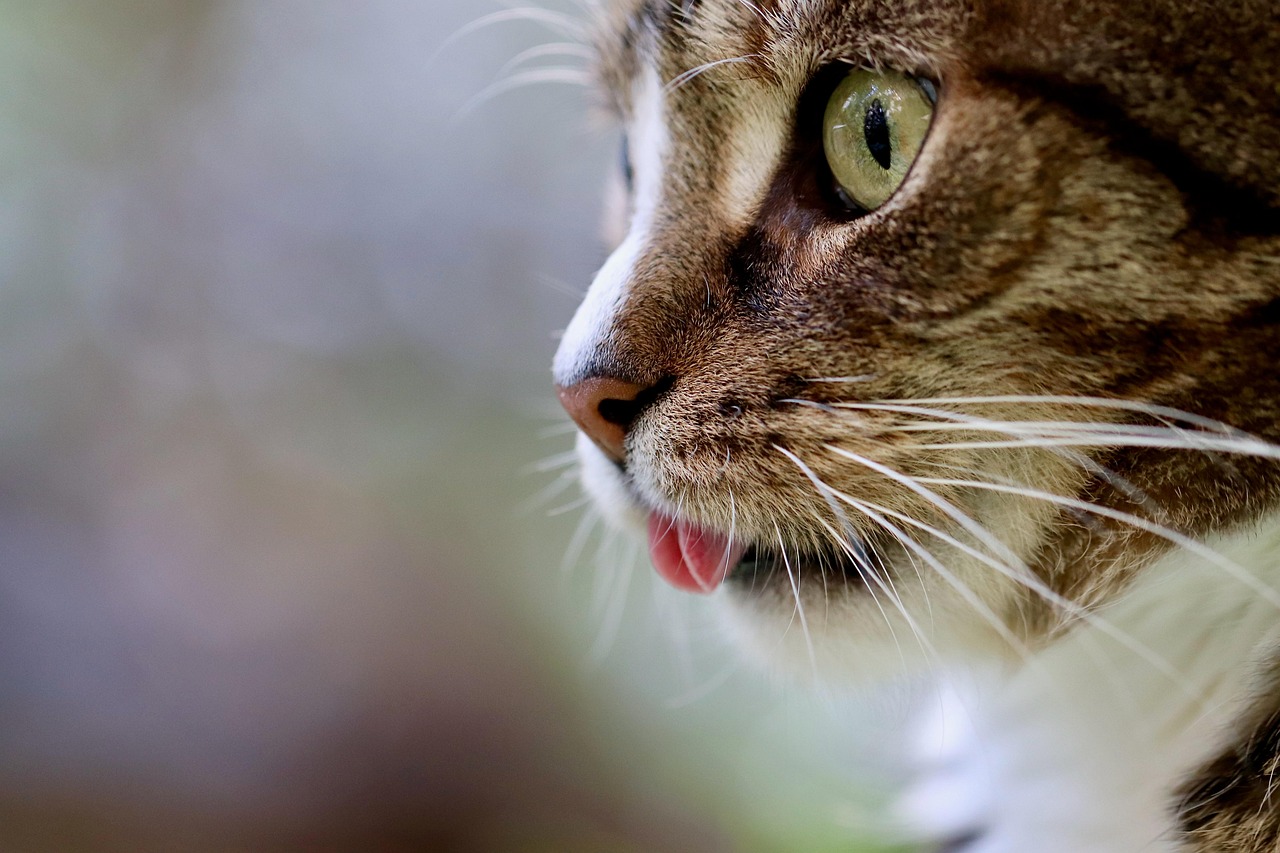

Signs of Protein Deficiency in Cats and How Supplements Help
Protein is a critical nutrient for cats, serving vital roles in their overall health. Insufficient protein intake can show noticeable symptoms in cats. One of the primary signs is a lack of energy. If your cat seems lethargic or less active than usual, it may be due to protein deficiency. Another glaring sign is poor coat condition. A cat’s fur should be shiny and healthy, but deficient protein can lead to a dull, dry, or patchy coat. Additionally, weight loss can occur, even if the cat’s diet seems unchanged. Muscle wasting is another serious indicator, as muscles require proteins to maintain strength and structure. Furthermore, frequent infections can arise; protein supports immune functions, and a deficiency can weaken a cat’s defenses against illness. Behavioral changes, like irritability or withdrawal, might also signal nutritional issues. Lastly, any signs of gastrointestinal distress, such as diarrhea or vomiting, can relate to protein absorption problems. Thus, paying attention to these signs is crucial for cat owners. Monitoring dietary intake and seeking veterinary advice when you notice these symptoms can ensure your cat remains healthy and vibrant.
To address protein deficiency effectively, protein supplements for cats can be highly beneficial. These supplements are specifically formulated to enhance a cat’s protein intake, often providing a concentrated source of essential amino acids. Cats, being obligate carnivores, require these amino acids for numerous biological functions. When selecting a protein supplement, consider high-quality sources such as chicken or fish meal. It’s crucial to read labels carefully to confirm that the supplement is designed specifically for feline consumption. Regular incorporation of these supplements can help restore balance to your cat’s diet and improve health outcomes significantly. Additionally, these supplements can be particularly useful for cats recovering from illness or surgery, providing necessary nutrients during convalescence. However, it is critical not to over-supplement, as excessive protein can impose unnecessary strain on a cat’s kidneys. Consultation with a veterinarian prior to introducing supplements is recommended. They can advise on appropriate dosages and brands that suit your cat’s specific needs. Monitoring your cat’s response to the supplement will help gauge its efficacy and adjust the regimen accordingly for optimal health benefits.
The Importance of Balanced Nutrition
A balanced diet is not only crucial for preventing deficiencies but also for enhancing a cat’s overall quality of life. Along with protein, cats require a mix of carbohydrates, fats, vitamins, and minerals to thrive. Each of these components contributes to bodily functions, growth, immune health, and more. For instance, fats provide the necessary energy for daily activities, while carbohydrates offer additional energy and help maintain a healthy digestive system. Vitamins and minerals, such as calcium and phosphorus, are essential for maintaining strong bones and teeth. Implementing a complete and balanced diet supports all the physiological systems in cats, promoting a longer, healthier life. Many cat food brands claim to offer complete nutrition, but it’s essential to verify the quality of the ingredients. Checking for associated certifications or guidelines can help discern the quality of the diet you are feeding. Moreover, some commercial diets may not meet the specific needs of your cat based on age, health, and activity level, so individualized adjustment is a good practice to ensure optimal nourishment. Always be vigilant for changes in your cat’s health or behavior in response to dietary adjustments.
When considering protein supplements for your cat, it’s vital to assess their specific dietary requirements. Protein needs can vary based on factors like age, weight, health status, and activity level. For example, kittens have a higher protein requirement than adult cats to support their rapid growth. Similarly, pregnant or nursing cats need extra protein to foster proper development in their offspring. Understanding these variations will help determine the right supplemental amount needed for your feline friend. Observing your cat’s eating habits can also provide insights into whether protein supplements are necessary. If they are leaving food behind or seem disinterested in their meals, it might be time to reassess their diet. Quality protein is critical; thus, always select high-quality, easily digestible protein sources. Incorporating these supplements should ideally be gradual to monitor for any adverse effects. It’s also advisable to choose protein supplements that contain other key nutrients. Some products are designed to support joint health, skin health, or even dental care, addressing a broader range of nutritional needs while boosting protein intake. Working with a veterinarian can help ensure you choose the right supplements effectively.
Signs Your Cat is Thriving with Supplements
Once you have introduced protein supplements into your cat’s diet, key signs can signify that they are thriving. Improved energy levels are often one of the first noticeable changes; a protein-rich diet will give your cat the vitality they need to be active and playful. You should also observe a revitalization of their coat; a shiny, healthy fur coat indicates good nutrition. Watch for weight stabilization as an essential sign; gaining or maintaining weight is critical. Additionally, you may notice behavioral changes as an improvement in overall mood and demeanor often arises from proper nutrition. No longer will your cat seem irritable or withdrawn. Further, consistent litter box habits are another positive sign, as effective protein digestion leads to more regular excretions. Regular vet check-ups can also confirm improvements in health indicators such as muscle mass, bodily hydration, and blood health. These observations highlight the importance of proper nutrition and how crucial protein is for overall well-being. Regular communication with your vet can also aid in ongoing nutritional assessment and provide peace of mind for any dietary decisions.
Incorporating adequate protein levels into your cat’s diet through supplements doesn’t just prevent deficiencies—it has far-reaching health benefits. With the proper amount of protein, your cat’s immune system becomes more robust, thus fighting off infections effectively. Muscle development and maintenance are other aspects profoundly influenced by sufficient dietary protein. Healthy muscle mass supports overall activity and movement, providing cats the agility they are often known for. Moreover, a stable protein intake can support skin and coat health, reducing the chances of skin infections and improving the overall sheen and softness of their fur. Additionally, enhanced cognitive function can arise with better nutrition, supporting brain health as cats age, which is particularly important in senior cats. To avoid health complexities, ensuring protein intake is consistent is vital. Regular additions of protein supplements might seem simple but can make a world of difference in your cat’s health profile. These changes not only lead to physical benefits but also contribute significantly to a cat’s emotional and mental well-being, highlighting the interconnectedness of nutritional health and quality of life for your feline companion.
Consultation and Professional Guidance
Always seek professional guidance when considering protein supplements for your feline friend. A veterinarian can offer personalized advice tailored to your cat’s specific needs, lifestyle, and health conditions, as individual cats may have unique nutritional requirements. They may conduct tests to examine any existing issues or deficiencies, helping to determine the necessity and dosage of protein supplementation. Equally important is the fact that feline health can be complex; what works for one cat may not suit another. Therefore, it’s crucial to establish a professional plan that considers factors such as age, breed, pre-existing health conditions, and dietary preferences. The information provided by a veterinary professional can aid in understanding how to integrate supplements smoothly into your cat’s existing diet while ensuring that any adjustments promote positive health changes. They can also suggest a variety of products that are highly regarded in the industry for their quality and efficacy. Monitoring your cat’s response to any new dietary changes, especially protein supplements, is essential, and keeping a journal of changes can aid both you and your vet in assessing the overall effectiveness of the nutritional approach undertaken.
In conclusion, a well-rounded understanding of your cat’s dietary needs can help prevent protein deficiencies and enhance their quality of life. Observing signs that may indicate low protein levels is the first step. Energy fluctuations, coat quality, and overall health should be monitored closely. Protein supplements can be a valuable addition to a cat’s diet under proper guidance, and from addressing deficiencies to preventing future health problems, their benefits are significant. Ensuring your cat receives high-quality protein through their diet leads to a longer, healthier life. Regular consultations with your veterinarian serve to create effective dietary strategies customized for your feline companion’s unique circumstances. Furthermore, maintaining a consistent observation of your cat’s health allows for quick action if issues arise. Making sound nutritional decisions not only supports physical well-being but directly affects your cat’s emotional health as well. With a mix of scientific advice, quality products, and an attentive approach, this journey can greatly enhance the overall health and happiness of your cat. Nutritional awareness thus becomes a key pillar in sustaining quality pet ownership and ensuring a fulfilling lifestyle for our beloved feline companions.