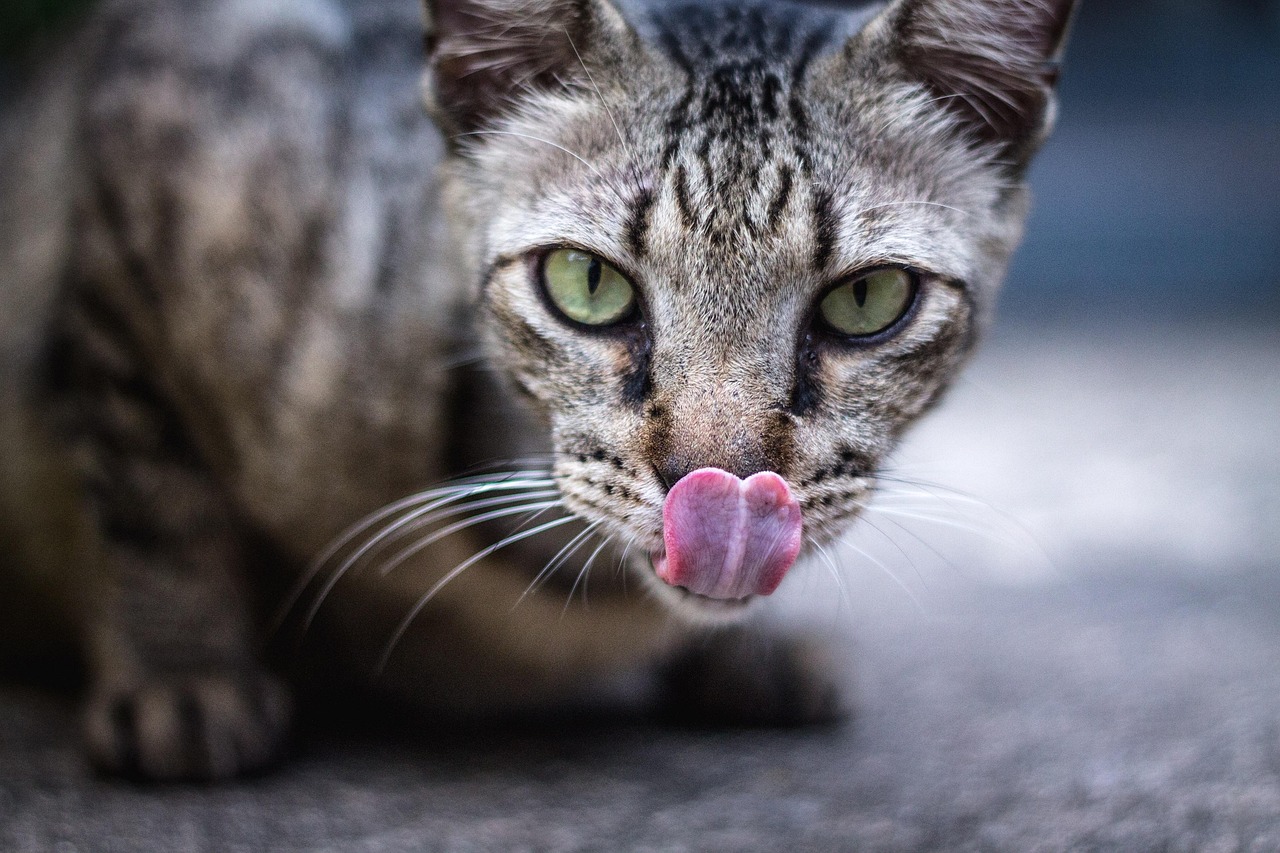

Feline Facial Expressions: What Your Cat is Saying
Understanding feline communication is crucial for any cat owner. Cats express their feelings and needs through various body language signals and facial expressions. By observing these signals, you can better respond to your cat’s emotions and foster a deeper bond. Every subtle shift in your cat’s face can speak volumes about what they are feeling. For example, a relaxed cat will often have a slightly open mouth and eyes that are half-closed. Conversely, a tense or anxious cat may have a wide open mouth and alert eyes. This difference in their facial expressions can help you identify what your pet is experiencing. Another important aspect to consider is the position of the ears. Forward-facing ears indicate curiosity or playfulness, while flattened ears signify fear or aggression. Equally, a twitching or relaxed tail can also indicate a range of emotions. Recognizing these signs will greatly enhance your relationship and create a more harmonious living environment.
One of the common facial expressions you may observe in your cat is a slow blink. This is often interpreted as a sign of trust and affection, sometimes referred to as a “cat kiss.” When your cat looks at you and then slowly blinks, it shows that they feel safe around you. In contrast, dilated pupils may indicate excitement or fear, depending on the context. Always consider the surrounding environment when interpreting your cat’s expression. Furthermore, an open mouth along with visible teeth might suggest your cat is feeling threatened or aggressive. If you see this expression, it’s best to give your cat some space until they calm down. Pay attention to subtle changes that occur over time as well; a cat may show different facial reactions depending on their surroundings. This knowledge can equip you with the ability to change your pet’s environment accordingly. By creating a supportive and safe atmosphere, you can ensure your feline friend remains happy and healthy.
The Impact of Whiskers on Feline Communication
Whiskers play a significant role in a cat’s expressions and overall communication. These long, sensitive hairs help them gauge their surroundings and navigate through their environment effectively. When a cat’s whiskers are tense and extended, they may feel curious or excited about something nearby. However, if they are pulled back against the face, it can be a sign of fear or aggression. Pay attention to whisker positioning for insights into your cat’s emotional state. Combining whisker expression with other facial features will give you a clearer picture of their feelings. This can be especially useful in understanding your cat’s reactions to different stimuli, including new environments, people, or sounds. Moreover, whiskers contribute to a cat’s ability to balance and maneuver, even in tight spaces. By understanding the implications of whisker movements, you can assess and meet your cat’s physical and emotional needs effectively. Always ensure that their environment supports their natural instincts, allowing them to express themselves freely and comfortably.
Cats often communicate discomfort or disdain through their ears and facial expressions. A cat that is irritated or doesn’t want to engage will often turn its head away or flatten its ears against its head. In this state, you may also notice them making a funny face with scrunched-up features or even turning their back on you. It’s crucial to recognize these signs to prevent any escalation of their discomfort. Additionally, a cat’s body posture can also convey crucial information. A cat that is puffed up or seems larger than life is likely feeling threatened and using their size to deter an attacker. Understanding these signals allows you to step back and respect your cat’s space. It’s essential not to push them into interaction if they are clearly agitated. Recognizing that your cat’s facial expressions and body language speak volumes will help you foster a caring environment. Instead, take a moment to allow them to calm down before trying to engage again. This practice can lead to healthier interactions in the future.
Learning from Your Cat’s Response
It’s essential to consider that every cat is unique and may express themselves differently. Observe what brings about purring, growling, or specific facial expressions in your cat to understand their individual preferences. Reactions can vary widely depending on various factors like breed, personality, and past experiences. Some cats may show more subtle cues, while others might be quite explicit in their communication methods. You may even notice that certain environments or specific situations lead to different emotional states in your feline friend. Keeping a journal on your cat’s emotional and facial responses can help you identify patterns that reveal their preferences and dislikes. For instance, remembering how your cat reacts to certain guests, sounds, or situations will strengthen your understanding of their feelings. Building this rapport will not only improve the communication you share but also enhance the overall bond between you and your beloved pet. Additionally, sharing your findings with friends or a vet can lead to broader insights on feline behavior.
To further enhance the bond you share with your cat, it’s important to create an environment that encourages open communication. Ensure you provide safe spaces for your cat to retreat and relax. Reducing overstimulation can significantly lower stress levels and help your feline feel secure. Also, consider incorporating interactive toys or stimulating activities that offer mental and physical engagement. By providing various items that allow them to express their natural instincts, such as scratching posts or climbing trees, you will promote a happy and healthy lifestyle. Conversely, make sure your cat has personal time where they can choose solitude if they desire. The balance between social interaction and personal time is crucial for your cat’s overall happiness. By fine-tuning your home environment based on your cat’s communications, you can significantly strengthen your bond. Keeping an eye on their facial expressions and behavior can lead to meaningful conversations, making it easier to understand their needs more effectively. Thus, you can ensure your cat remains content and thriving in their living space.
Conclusion: Building a Stronger Bond
In summary, feeling in tune with your cat’s facial expressions will ultimately foster a deeper relationship with them. Observing the intricacies of their facial cues provides insights into their mood, health, and emotional state. The more you pay attention to these signs, the better equipped you will be to cater to their needs. Remember that each cat has its own unique language, and understanding that language can take time and patience. Don’t be disheartened if it takes a while to get a grip on their communication methods. Each positive experience will serve to bring you closer together. Embrace the learning journey; it’s an essential aspect of being a responsible cat owner. Over time, you will find that your connection deepens as you recognize the signs of their happiness or distress. This improved communication will lead to mutual trust and affection, creating a harmonious living arrangement for both of you. Take the time to learn, observe, and improve your interactions, and you will undoubtedly enjoy a fulfilling companionship with your feline friend.
Understanding feline communication is crucial for any cat owner. Cats express their feelings and needs through various body language signals and facial expressions. By observing these signals, you can better respond to your cat’s emotions and foster a deeper bond. Every subtle shift in your cat’s face can speak volumes about what they are feeling. For example, a relaxed cat will often have a slightly open mouth and eyes that are half-closed. Conversely, a tense or anxious cat may have a wide open mouth and alert eyes. This difference in their facial expressions can help you identify what your pet is experiencing. Another important aspect to consider is the position of the ears. Forward-facing ears indicate curiosity or playfulness, while flattened ears signify fear or aggression. Equally, a twitching or relaxed tail can also indicate a range of emotions. Recognizing these signs will greatly enhance your relationship and create a more harmonious living environment.