
How Breed Influences Canine Behavior Patterns
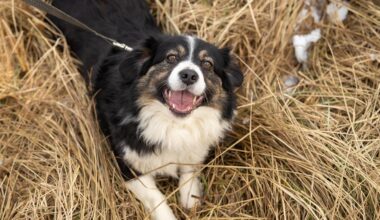
Understanding how breed influences canine behavior patterns is essential for dog owners and trainers alike. Breeds are often categorized based on historical tasks and environments that shaped their traits. For instance, herding dogs like Border Collies exhibit more energy and intelligence due to their roles in managing livestock. In contrast, breeds like Bulldogs showcase a more laid-back demeanor, often preferring to lounge than run. Moreover, physical characteristics often correlate with behaviors. For example, the size and shape of a dog can affect their natural instincts and behaviors. Smaller breeds tend to be more skittish, while larger breeds might display more confidence. Socialization plays a significant role as well, influenced by the breed’s predisposition to interact with humans and other animals. Understanding these traits further aids in effective training methodologies and fostering a harmonious household. Variations in temperament among breeds can lead to specific behavioral issues that owners must be aware of, ideally preparing them ahead of time for challenges they may encounter. Overall, recognizing these breed-related behaviors greatly enhances the dog ownership experience and quality of life.
Another critical aspect of breed influence lies in genetics and inherited temperaments. Breeds that were developed for specific functions, such as hunting or guarding, often retain instinctual behaviors associated with those roles. Hunting breeds such as Retrievers generally possess a strong prey drive and thrive in environments where they can engage in chasing games. On the other hand, breeds developed for companionship, like Cavalier King Charles Spaniels, tend to display affectionate and sociable behavior. Understanding these differences enables owners to provide appropriate outlets for their dogs’ energies. Behavioral issues can arise when these instinctual urges are suppressed or redirected improperly. Thus, selecting appropriate activities or stimuli contributes to fulfilling their natural needs. Additionally, breeding practices can influence temperament; poorly bred dogs may exhibit health and behavioral problems, highlighting the importance of responsible breeding. In this light, prospective owners should ask breeders about their dogs’ ancestry and behavioral traits. This knowledge enables better matching of dog breeds to owner lifestyles. Overall, being mindful of the dog’s background aids in tailoring care and training to match their inherent behaviors.
Socialization and Environment
Socialization and environment also play crucial roles in shaping canine behavior across different breeds. The first few months of a dog’s life are formative, impacting their ability to interact with humans and other animals later on. Breeds that are naturally more social may adapt better to a variety of environments if they receive early and positive exposure to diverse stimuli. In contrast, breeds with strong protective instincts, like German Shepherds, will need distinct handling methods to buffer their natural guarding tendencies. Environment also affects behavior; a dog raised in a stimulating environment may develop differently than one kept mostly isolated. Therefore, it’s essential to promote positive social experiences for dogs from a young age, allowing them to engage with various people, animals, and settings. Positive interactions during the formative weeks help prevent behavioral issues such as aggression or anxiety. Providing structured, gradual exposure combined with reinforcement techniques builds confidence in a puppy. In addition, the dog’s ongoing interactions continue to shape their behavior patterns. Ensuring that a dog develops healthy social skills enhances their adaptability and happiness in family life.
Furthermore, the breed’s energy levels and exercise requirements are critical factors that dictate behavior. High-energy breeds such as Huskies and Belgian Malinois require ample physical and mental stimulation to remain well-adjusted. When they do not receive sufficient daily exercise, issues such as destructive behaviors, barking, or aggression may arise. Conversely, low-energy breeds, such as the Basset Hound, may not need extensive activity but still benefit from regular, moderate exercise to prevent obesity and poor health. Owners must research their dog’s exercise needs and anticipate these requirements from the start. Tailoring daily routines to fit the intrinsic energy levels of specific breeds ensures that both dogs and owners lead a fulfilling lifestyle. Engaging in regular activities, like walking or playing fetch, greatly improves both mental and physical health. For working breeds often highly driven by tasks, providing activities that involve brain work—such as agility training or scent work—is particularly helpful. Understanding and catering to these unique needs contribute to fostering a happy and well-behaved canine companion, ensuring lifelong compatibility between dog and owner.
Understanding Behavioral Traits
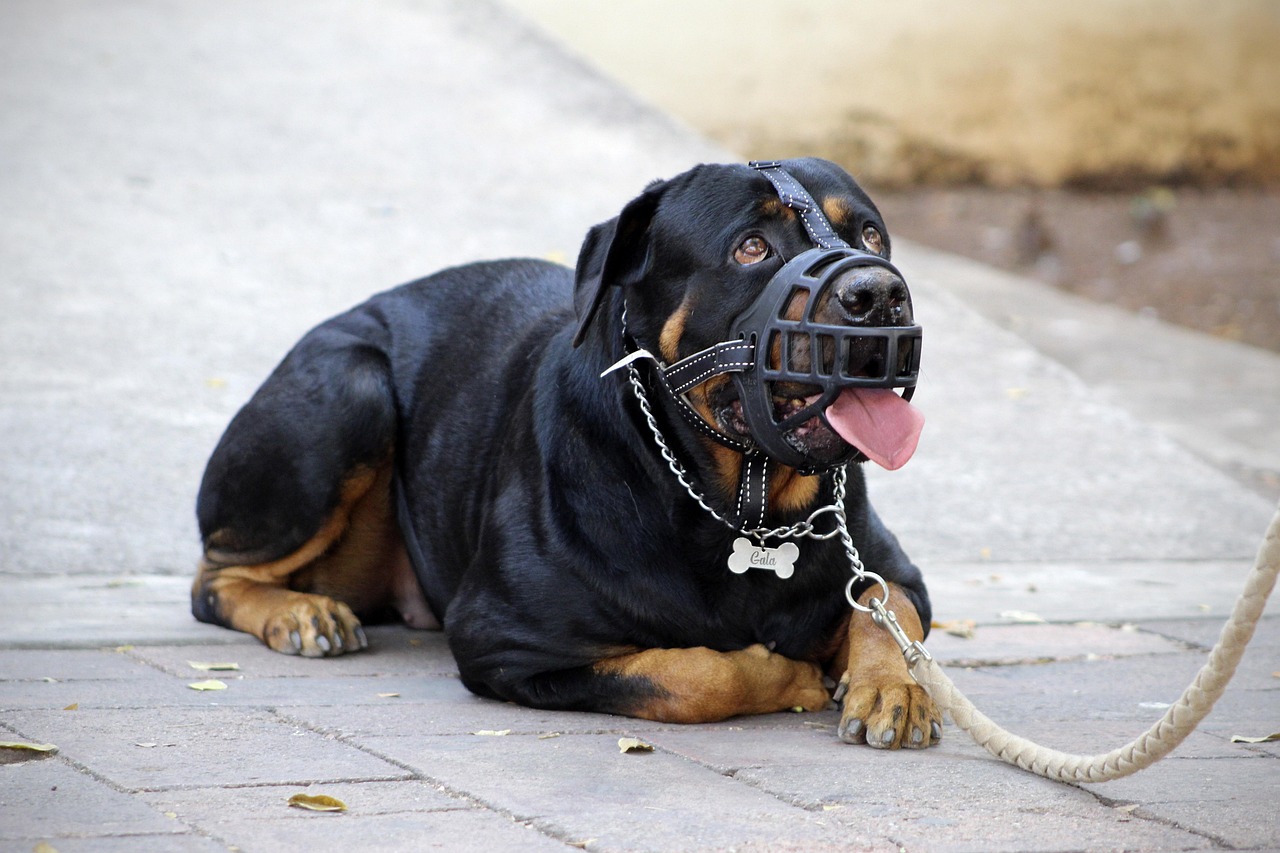
Understanding behavioral traits involves recognizing how genetics influences specific actions. For instance, guarding breeds such as Rottweilers tend to exhibit protective instincts that may manifest as barking or territorial behavior. On the opposite end, breeds historically bred for companionship, like Pugs, usually exhibit fewer aggressive tendencies. These historical writing influences on temperament warrant attention, guiding effective training methods. Active breeds often need various mental challenges to stay engaged, as boredom can lead to problem behaviors. Furthermore, intervention strategies by trainers must align with breed tendencies for optimal results. Canine behaviorists emphasize the necessity of reinforcing positive behavior while managing instinctual drives through appropriate distractions or training routines. Early intervention, especially with breeds prone to behavioral issues, is paramount. The role of positive reinforcement can aid in reducing anxiety or aggression across various breeds, further emphasizing the importance of understanding their behavioral tendencies. Teaching coping mechanisms early on allows the dog to develop well-adjusted behaviors necessary for living in human-managed homes. Thus, considering behavioral traits throughout training is essential for successful pet ownership.
The communication styles of different breeds further affect interactions between dogs and their owners. Breeds like the Beagle often utilize vocalizations as a means to express needs or emotions, whereas other breeds, such as Shiba Inus, may exhibit a more reserved communication style. Understanding these nuances fosters improved communication with canine companions, allowing owners to respond appropriately to their dog’s signals. Additionally, dogs communicate non-verbally through body language, indicating comfort, stress, or aggression through their posture and movements. Recognizing these signs is vital for fostering a healthy relationship with any breed. Reactive breeds may require trainers to emphasize social awareness and teach management techniques early on; a solid foundation in communication lays the groundwork for effective training. Earning a dog’s trust creates a secure environment, which is crucial for successful learning. Beyond training, understanding a dog’s communication improves the overall wellbeing of the dog and enriches the human-canine relationship. Thus, engaging positively with a dog’s natural communication style results in a happy and confident pet, enhancing the pet ownership experience considerably.
Conclusion and Final Insights
In conclusion, breed undoubtedly influences canine behavior patterns from energy levels to instinctual drives. By understanding these varied traits, owners can provide the right environments, appropriate exercise, and effective training to meet their dogs’ needs. Socialization, genetics, and training methodologies play pivotal roles in shaping a well-adjusted pet. It is essential to consider each dog holistically, as numerous factors are at play in developing behaviors that may challenge owners if overlooked. Awareness of a breed’s needs allows for proactive management of natural tendencies while supporting a positive training regime. Effective communication and appropriate engagement are integral in fostering a strong bond, serving to increase harmony within households. The unique characteristics found within each breed contribute to the joy and complexity of dog ownership. A well-informed owner is best equipped to navigate the challenges that may arise, keeping a dog’s happiness and overall health prioritized. Overall, understanding breed influences enables owners to create effective training plans and develop fulfilling relationships, ensuring their beloved canine companions lead enriched and satisfying lives.