
Top Signs It’s Time to Stop Your Cat’s Workout
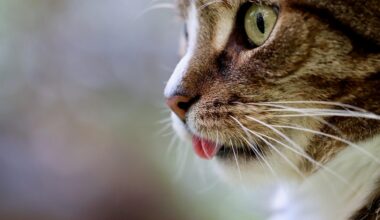
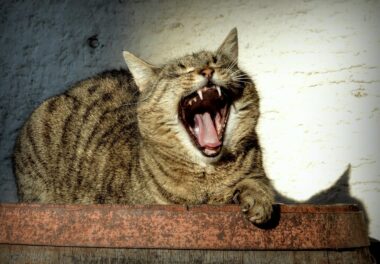
Cats are known for their playful nature, but sometimes playtime can become too intense or prolonged. It’s essential to recognize the signs that indicate your feline friend has had enough of their workout. One significant sign is excessive panting. While cats can breathe faster during exercise, if you notice them struggling, it’s time to pause the play. Additionally, pay attention to their body language. If your cat begins to hunch or flattens their ears against their head, these could be signals of discomfort or stress. Another key indicator is disinterest; if your cat suddenly loses interest in their toy, it’s a strong cue that they might need a break. Lastly, watch for signs of overexertion, such as drooling or unsteady movements. Always keep your cat’s age and health in mind when exercising to ensure a fun and safe experience. Cats appreciate varied activities, so consider incorporating rest periods to maintain their enthusiasm and energy levels. Monitoring these signs can lead to a balanced routine that fosters fitness without pushing them beyond their limits.
A crucial factor in your cat’s exercise routine is recognizing exhaustion. If your cat is easily distracted or seems more interested in finding a cozy spot to nap rather than engaging in play, this may signal that they need a break. Erratic behaviors, such as suddenly pouncing after a moment of stillness, can also indicate overstimulation or a loss of interest. Moreover, consider the duration of your sessions; if you typically notice a decline in your cat’s willingness to participate around the same time, it might suggest a need for shorter intervals. Stress levels are equally important, as an overwhelmed cat may display nervous behaviors like hiding or aggressive swats. It’s essential to create an environment where your cat feels safe and relaxed during playtime. Introducing a calm transition phase post-exercise can aid in alleviating anxiety. Always observe your cat’s energy levels and keep their mood in check during workouts. With the right balance between stimulation and rest, exercise can remain an enjoyable part of your cat’s healthy lifestyle, keeping them engaged and happy.
Understanding Your Cat’s Fitness Needs
Understanding the fitness needs of your cat is essential for optimal health. Factors such as age, weight, and overall health should guide your exercise approach. For instance, older cats may not require as vigorous workouts as younger ones. If your cat is overweight, you might want to start slow, encouraging gentle activities that promote movement without overexerting them. Recognizing age-related mobility issues is also vital; some cats may prefer slower-paced games like gentle laser pointers or feather wands. Proper hydration is equally important during exercise. Ensure fresh water is available before, during, and after workouts, especially in hot weather. Balanced nutrition complements any exercise regime and impacts your cat’s energy levels. Consult your veterinarian for tailored advice regarding your pet’s specific needs. Regardless of their age or ability, always introduce new exercises gradually to avoid injury. A variety of activities not only keeps your cat physically fit but also mentally stimulated, which is equally essential. By maintaining awareness of your cat’s unique requirements, you can ensure a healthy and active lifestyle for years to come.
As you monitor your feline friend’s workout sessions, keep a record of their activity levels and preferences. Noticing patterns can help identify when is the right time to stop. For example, if activity levels drop significantly on certain days or after specific activities, this can indicate a need for shorter sessions. Another thing to observe is their appetite. If your cat shows reluctance to eat after a workout, it’s a sign they may be overextended. Watch how your cat interacts with toys and modify these play sessions to suit their current energy levels. Maintaining engaging but manageable workouts fosters an environment that supports healthy living. Additionally, switching up your cat’s play routine can help avoid burnout and maintain interest. Rotate toys regularly or try new games to keep them challenged and entertained. Introducing interactive toys can also complement their exercise routine while allowing them to engage independently. By keeping an attentive eye on their behavior, you’ll maximize enjoyment and physical benefits while minimizing the risk of overstressing your furry friend.
Creating a Safe Workout Environment
To create a safe workout environment for your cat, it’s essential to ensure that the play area is free of any hazards. Remove any obstacles or sharp objects that may cause injury during playtime. A soft surface beneath their play area can also cushion falls. Consider the location as well; bright lights can be stimulating, while a quieter and dimmer area may help not overwhelm your cat. Always evaluate their reactions to sounds and movements from their surroundings. Sudden loud noises can startle them and alleviate any motivation to engage. Additionally, ensure other pets do not interfere during exercise sessions, as this can lead to stress or even conflicts. A separate play area where your cat feels secure can enhance their confidence during workouts. Choosing the right toys is another aspect of safety; avoid small items that pose choking hazards or materials that can break easily. Invest in durable toys designed specifically for cats. Keeping their safety as a priority will not only foster a positive exercise routine but also help create an enjoyable bonding experience.
Always keep an eye on the duration and intensity of your cat’s workout sessions. As a responsible pet owner, you should be aware that too much exercise can be counterproductive, leading to fatigue and possible injuries. If your cat collapses during play or favors one side while playing, it’s a clear indication to stop and reassess their activity levels. Monitoring their health throughout these activities will play a pivotal role in ensuring their well-being. Regular check-ups with your veterinarian can also help shed light on any underlying health concerns that may affect their exercise routines. It’s vital to adapt their workouts based on any medical conditions or age-related changes. Additionally, ensure that their vaccinations and preventive treatments are up-to-date. Also, consider the weather when planning outdoor activities; extreme temperatures can severely impact your cat’s performance and willingness to participate. Always adjust exercise types based on the current climate to maintain comfort and health. Adequately attending to these factors will lead to a happier and healthier environment for your beloved feline, emphasizing both fitness and safety at the forefront.
Paw-sitive Reinforcement in Exercises
Incorporating positive reinforcement during workouts encourages a joyful experience for your cat. Celebrating their achievements, regardless of how small, can strengthen your bond while promoting trust. Use treats and praise liberally when your cat engages with their toys or follows commands during sessions. This reward system can make exercise more pleasant and rewarding for your furry friend, enhancing their enthusiasm for physical activity. Remember that consistency is crucial; maintaining a routine in both training and rewarding can assure your cat learns what to expect. Sessions can be tailored to suit their specific likes, ensuring their engagement during workouts remains high. Taking breaks is equally important; allowing time for rest reassures your cat that they’re not being overworked. This reassurance promotes a better overall experience, where they associate exercise with positive feelings rather than fatigue or anxiety. Use encouragement phrases that resonate with them, connecting emotionally through verbal cues. It’s essential to foster an atmosphere where your cat feels motivated and engaged, paving the way for an enjoyable workout routine that can be lifelong.
Finally, always assess your cat’s condition after workouts. Observe them for any unusual behaviors, such as limping or reluctance to jump, which could signal pain or injury. If any such signs appear, don’t hesitate to consult your veterinarian immediately. Keeping track of their health goes beyond just physical exercise; mental wellness matters too. Enrich their environment with varied activities, ensuring they stay engaged and stimulated. Toys that mimic prey or provide challenges can enhance their mental agility while promoting exercise. Scheduling routine playtimes can help form a structured habit and gives them something to anticipate. Keep an eye on their interaction with their surroundings and adjust their activities to keep them safe and healthy. Managing their workouts correctly can make a significant difference in their overall quality of life. Engage consistently with your cat, and be prepared to adapt to their changing needs. Ultimately, the goal is to encourage their natural instincts through physical and mental stimulation. Improving your cat’s exercise routine while respecting their limits will ensure a healthier and happier pet, fostering an ongoing adventurous spirit.