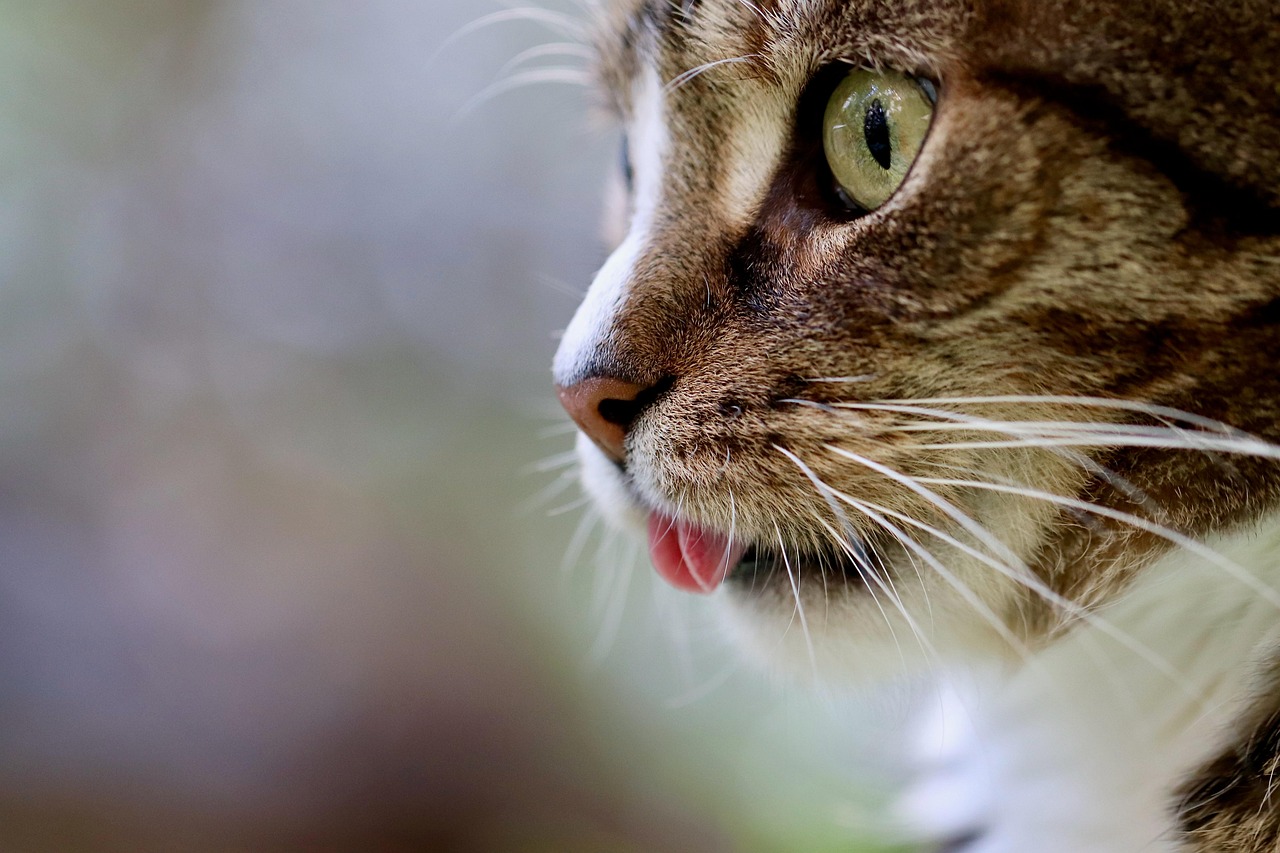

Behavioral Training for Cats to Reduce Attention-Seeking Meows
Training your cat to reduce excessive meowing can significantly enhance your relationship. Attention-seeking meows often indicate your cat needs something—be it food, play, or attention. Recognizing why your cat is meowing is essential for effective training. Solutions begin with observation. Monitor your cat’s behavior and note the triggers for their meowing. Creating a schedule for feeding and activities can help reduce anxiety that may lead to meowing. If your cat is meowing due to boredom, include daily interactive play sessions. Always reward your cat with positive reinforcement whenever they exhibit calm behavior. This could mean giving them treats, affection, or their favorite toys. Make sure to establish boundaries, as constant attention can reinforce meowing. Instead, wait until your cat is quiet to provide attention, training them that silence yields rewards. When they meow, assess the situation calmly and decide how best to respond. Gradually, your cat will learn that meowing does not guarantee immediate attention, and instead, they will adopt quieter behaviors that enhance both your lives. Consistency is key to behavioral change; patience will yield the best results for you and your feline friend.
Another effective strategy in training your cat is environmental modification, which involves altering their surroundings to minimize triggers for excessive meowing. Cats often meow when they are bored or feel lonely, so providing them with stimulating toys can help divert their attention. Consider interactive toys, puzzle feeders, or even placing a bird feeder outside a window. This provides visual stimulation and keeps them entertained. Additionally, ensuring they have a comfortable space to retreat to encourages quiet time, which helps reduce stress and anxiety. Cats enjoy cozy spots where they can observe their surroundings without feeling threatened. Incorporate climbing structures or scratching posts to allow your cat to explore and engage with their territory. These modifications create a more enriching environment that promotes tranquility. Moreover, creating a daily routine establishes predictability, keeping a cat happy and less anxious about food or playtime. Consistency in feeding schedules and playtime reduces the likelihood of attention-seeking meows. As your cat spends less time feeling anxious or bored, they will likely meow less, fostering a more peaceful home for both you and your pet. This approach, combined with positive reinforcement, will yield better long-term results.
Understanding Your Cat’s Needs
Understanding specific needs of your cat is paramount in the journey of reducing their meowing. Each cat has unique personalities, and some may have different motivations for their vocalizations. Some may meow for food, while others seek companionship. To help them understand their needs better, consider keeping a record of their meowing patterns. Document when they meow, how long, and the context, then analyze this behavior. Your entries will help connect the dots between triggers and responses. It’s essential to differentiate between an attention-seeking meow and one that indicates distress or a medical issue. If your cat persists with excessive meowing despite various interventions, a visit to the vet is recommended. This ensures any underlying issues are addressed, ruling out health-related concerns. Providing toys, regular playtime, and interaction can meet their social needs, often reducing the necessity to meow loudly. A stimulating environment is crucial for mental engagement; thus, rotate their toys regularly to maintain interest. Finally, spend quality time with your cat without distractions. A sense of security and companionship can significantly diminish the need for attention-seeking meows.
In addition to understanding your cat’s needs, establishing clear communication with your feline friend is important. Cats are intuitive creatures that can pick up on human emotions and body language. Ensure you respond actively to your cat’s vocalizations but do so with moderation. Responding excitedly every time they meow might lead to them thinking that this behavior is not only acceptable but also rewarding. When your cat makes a demand to play or interact, consider using alternatives before engaging with them. One technique involves distracting them with a toy that can redirect their energy and minimize meowing. When they are excited and start meowing, initiate a play session instead. Also, consider timing your visits. Engage with your cat while they are quiet; this reinforces calmness and discourages noisy behaviors. Utilize soft tones when interacting, establishing a soothing dynamic. This further reduces their need to vocalize excessively. Gradually, they will associate quiet behavior with positive outcomes. Avoid punishing your cat for meowing; it’s counterproductive and often leads to more stress. Instead, focus on the positive behaviors and rewards, leading to a quieter and happier home life.
Creating a Quiet Space
Creating a quiet space for an overactive meower can significantly contribute to behavior modification. Designate an area in your home where your cat can retreat, a sanctuary filled with cozy bedding and familiar scents. Here, they can relax away from distractions, especially during busy times in your household. Incorporate soft lighting and calming sounds in this space. Soft music or ambient sounds may help soothe your cat and reduce their anxiety that may cause meowing. Consider adding a soothing pheromone diffuser that can create a calming atmosphere. These diffusers mimic natural cat pheromones that help in reducing stress and anxiety in felines. The result can be a less vocal and more relaxed pet. Additionally, putting an enriching activity in this area, such as a scratching post or some puzzle feeders, can keep them occupied and engaged. This creates an association between their quiet retreat and enjoyment, reinforcing quiet behaviors. With the right environment, your cat will begin to feel secure, reducing anxiety-driven vocalizations. Working together to establish their safe haven will lead to more enjoyable interactions and a fulfilled cat.
Be patient while adjusting to these new routines and modifications. Remember, behavioral changes in cats take time, especially if they have developed deep-seated habits. Regular reinforcement is essential; small incremental changes lead to significant improvements. Ensure that all family members participate in reinforcing the strategies you develop. Consistency among everyone in your household establishes stronger boundaries and expectations for your cat. Reinforce the need for silence by ignoring attention-seeking meows, waiting for calmness before providing rewards. Every day, observe your cat closely to monitor their progress. With time, dedication, and love, positive outcomes will emerge. Celebrate every small success, such as fewer meows or moments of quietness. Doing this will enthusiastically communicate that they are on the right path. Encourage adjustments without pushing too hard or demonstrating frustration; that may only cause more vocalizations. A cohesive and understanding approach ensures a harmonious atmosphere at home. Schedule regular evaluations for the ongoing process of training, modifying strategies as needed until you discover a routine that brings about the desired results. This proactive, nurturing process will ultimately foster a quieter, happier environment for both you and your cat.
Consistency is Key to Success
Consistency is crucial for long-term success in training your cat to reduce attention-seeking meows. Establishing regular routines helps your cat understand when to expect food, play, and affection. Also, ensuring that each member of the household follows the same guidelines reinforces the learning process. Whether you use treats, praise, or affection to reward, keeping it uniform among the family encourages your cat to associate the desired behavior with consistent outcomes. Adapting a communal method creates a stronger bond between everyone and ensures the cat learns effectively without confusion. Moreover, maintaining a consistent environment minimizes unexpected changes that could stress your pet, leading to unwanted vocalizations. If you’ve identified that anxiety triggers excessive meowing, focus on developing a schedule that accommodates their needs, including feeding times, play sessions, and rituals that promote calmness. Be patient with other people’s reactions when working with your cat; encouraging them to avoid responding to excessive meowing can be important. Continually reflecting on your cat’s changes can help fine-tune your approach. Rest assured, a committed and consistent method will gradually cultivate a quieter, more peaceful relationship.
Finally, if your efforts seem insufficient, consulting a feline behaviorist can provide enhanced guidance and additional techniques tailored specifically for your cat. These professionals will evaluate behavioral issues, giving individualized feedback and plans that foster improvement on their vocalizations. Additionally, behaviorists often identify deeper-rooted issues, using their expertise to develop a collaborative solution. They may supplement your training methods with advanced techniques, thus optimizing the results. Utilizing their experience may accelerate the process, so if your efforts seem stagnant, consider seeking advice. Also, always keep an open line of communication with your veterinarian to rule out health issues that might contribute to excessive meowing. Both these professionals can create comprehensive plans that cater to your pet, ensuring their emotional and physical needs are being met. Follow their advice diligently and track changes as they occur. This dual approach can reveal the nuances of your cat’s behavior, leading to a more harmonious living experience. With persistence, compassion, and support from professionals, your cat will thrive, reduce meowing, and cherish the more peaceful moments that come along.