
Polycystic Kidney Disease in Cats: Genetic Aspects and Prevention
Polycystic Kidney Disease (PKD) is a common genetic disorder affecting cats, notable particularly in Persian and related breeds. This inherited condition leads to the formation of numerous cysts in the kidneys, progressively impairing their function. As cats with PKD age, kidney function declines, often resulting in chronic kidney disease (CKD) or kidney failure. Despite being inheritable, understanding the genetic aspects enables breeders to make informed choices, thereby reducing occurrence among their feline populations. Genetic testing can accurately identify carriers of the PKD gene, allowing breeders to select mating pairs more judiciously. In addition, knowledge about the disease’s mode of inheritance is imperative. PKD is transmitted as a simple autosomal dominant trait. If one parent is a carrier, there is a 50% chance offspring will inherit the disease. Educating both breeders and pet owners about the significance of screening can lead to better management of this condition, promoting longevity and health in affected cats. With modern veterinary practices, periodic screenings and early intervention methods are crucial. Recognizing symptoms early can dramatically improve the quality of life for cats diagnosed with PKD.
While genetic factors play a vital role in the development of Polycystic Kidney Disease, environmental aspects cannot be overlooked. Quality of diet, hydration levels, and routine veterinary care are integral to managing health. Implementing a suitable nutritional plan can support kidney health significantly. Diets rich in high-quality proteins, omega fatty acids, and crucial vitamins and minerals may enhance kidney function. Additionally, ensuring that affected cats have constant access to fresh water helps dilute toxins in their urine, which mitigates some of the stress on the kidneys. Regular veterinary check-ups are essential to monitor kidney function and adjust dietary needs as required. A holistic approach to managing PKD includes not just genetic scrutiny but considerations of lifestyle and care as well. Owners should also remain vigilant for signs indicating kidney issues, such as increased thirst, urination, and vomiting. Finding the right balance in care is vital for cats diagnosed with PKD, as it can prolong their lifespan and improve overall quality of life. Moreover, certain supplements may assist in slowing disease progression, although consultations with a veterinarian are crucial before any changes in diet.
Understanding the Genetic Testing for PKD
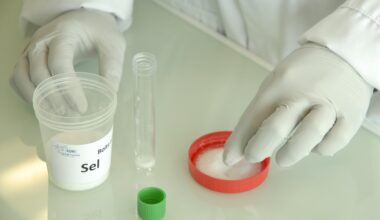
Genetic testing has transformed how breeders approach Polycystic Kidney Disease, effective prevention strategies begin here. Testing provides definitive answers concerning whether a cat is a carrier of the PKD gene. Breeders can send samples for analysis to specialized laboratories equipped to handle feline genetics. The test results can guide breeding decisions. If a cat tests positive for the disease-causing mutation, potential mates can be selected based on their genetic status to help eliminate the trait from breeding lines. It is essential for breeders to utilize reputable testing facilities known for accuracy and reliability in diagnostics. Additionally, educating new cat owners about the implications of PKD and the significance of genetic testing can create heightened awareness within the community. Genetic testing also fosters responsible breeding practices, where the goal is to minimize hereditary diseases in future cats. Such ethical considerations can enhance breed reputation and overall cat health. Furthermore, the use of genetic testing should be paired with responsible breeding practices promoting diversity within cat breeds, as this can also help mitigate the risk of inherited disorders.
An effective management plan for cats with Polycystic Kidney Disease encompasses various aspects—medical intervention, nutrition, and owner education. Regular medical check-ups are crucial to monitor kidney health, detect any early onset of symptoms, and manage associated complications as they emerge. Supportive care, such as adequate hydration, can severely affect a cat’s quality of life. Medications may also be administered to control blood pressure and manage discomfort should it arise from kidney disease progression. Encouraging cats to drink more water can be facilitated by offering wet food or utilizing pet water fountains. Furthermore, recognizing behavioral changes or unusual patterns in urination can provide insights into the kidneys’ state. The emotional bond between owners and their cats is vital, requiring caregiver empathy and understanding. Cat owners should be encouraged to closely observe their pets for any subtle indicators of distress or health issues. Establish communication with veterinary professionals regarding any concerns or behavioral changes. The implementation of an involved support system comprised of a veterinarian and a knowledgeable breeder can significantly benefit overall cat health, particularly for those dealing with genetic conditions like PKD.
Preventive Measures against PKD
While genetic predisposition is unavoidable for Polycystic Kidney Disease, several preventive strategies can be adopted to minimize risks. Establishing a breeding plan where potential breeder cats undergo genetic screenings before random mating becomes crucial. Such foresight enables breeders to choose mates that mitigate the risk of passing on genetic disorders. Furthermore, educating the prospective cat owners about the implications of hereditary disorders plays an essential role. A responsible breeding approach prioritizes not only the health of each kitten but future generations as well. Moreover, implementing early spaying or neutering can diminish the likelihood of certain health issues often seen in unaltered animals. Managing external stressors and providing a stable environment greatly influences overall cat health. Enrichment through playtime, mental stimulation, and social interaction will enhance a cat’s well-being. Additionally, consistent scheduling of veterinary visits allows for immediate identification of any potential health issues, including PKD. Having knowledge regarding an effective prevention strategy can significantly help owners understand their responsibilities in breeding practices and general cat husbandry, ultimately enhancing the quality of life for the cat population.
Adopting a proactive attitude towards Polycystic Kidney Disease in breeding decisions is vital, but so is personal responsibility among pet owners. Owners should remain informed about the warning signs and symptoms associated with PKD, such as changes in appetite, significant weight loss, or lethargy. Immediate veterinary consultation becomes imperative when noticing any concerning signs. Moreover, understanding management techniques designed for cats diagnosed with PKD helps improve their living conditions. This includes routine monitoring of weight and vital signs, which can provide valuable insight into health without overly stressing the cat. Creating a calm and loving environment significantly impacts a cat’s emotional and physical health, aiding in stress reduction. Lastly, collaborating with breeders who are committed to ethical breeding practices ensures that your new cat comes from healthy lineage. Being educated about PKD allows owners to advocate effectively for their cats’ health and wellbeing. Daily monitoring and regular engagement with veterinarians can mean the difference between a well-managed condition and complications arising from neglecting health. A full understanding of PKD, along with a proactive approach, ensures both breeders and owners can contribute positively to feline health.
Conclusion: The Importance of Awareness
Awareness surrounding Polycystic Kidney Disease in cats is essential for fostering healthier cat populations. By employing genetic testing, breeders are equipped with vital tools to avoid passing on this troubling genetic disorder to future generations. Additionally, recognizing the role of environmental factors and responsible pet ownership serves a crucial purpose. Ongoing education for both breeders and cat owners helps build knowledge regarding PKD, preparing them for appropriate preventive measures and effective management strategies. Encouraging collaboration between owners, breeders, and veterinarians ensures that a comprehensive approach is maintained. The journey towards effectively breeding cats free from hereditary diseases is ongoing, necessitating commitment and dedication on everyone’s part. By staying informed and actively participating in discussions surrounding cat health, a stronger community is built—one that prioritizes health and longevity in felines. Ultimately, prevention, early intervention, and education are critical components in managing PKD comprehension. A concerted effort can lead to a progress in breeding healthier, happier cats, illustrating a shared responsibility across all stakeholders involved in the feline world. As we strive to enhance knowledge, our cats will benefit immensely, paving the way to a healthier future.
. . .