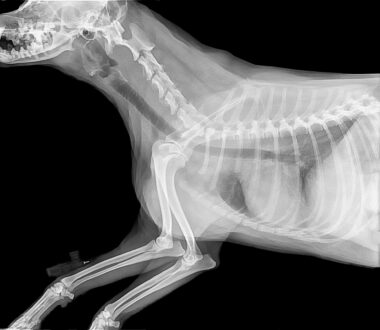

Case Studies of Legal Actions Concerning Dog Experimentation
The legal landscape regarding dog experimentation has evolved significantly in recent years. Numerous cases highlight the struggles between animal rights activists and veterinary researchers. One notable instance involves a university accused of violating laws during dog trials. A group of activists initiated legal actions based on claims that the institution bypassed ethical protocols. Such accusations prompt investigations into the adherence to the guidelines established for animal testing. The outcome reveals not only the university’s accountability but also the broader implications for research practices. The activists outlined their perspective, emphasizing that this was not merely a struggle against a single institution but an attempt to reform the entire industry. Similarly, another case in California gained prominence when local government enacted stricter regulations on the use of dogs in experimentation. This legal action aimed to ensure that the welfare of these animals is prioritized during trials. As courts deliberate over these cases, ethical considerations play an essential role in shaping future legislation. Consequently, the legal precedents set by these trials may pave the way for new laws aimed at more humane treatment of animals in research.
Another significant case emerged in New York involving a pharmaceutical company accused of reckless experimentation. This situation illustrated a precarious balance within the law as advocates sought to bring to light substandard conditions. A nonprofit organization engaged legal representation to initiate proceedings against the company. The claims indicated that numerous dogs suffered due to negligence, raising critical questions about regulatory oversight in the industry. The trial highlighted the need for stricter regulations to prevent such conditions from arising in the future. Outcomes of this trial framed discussions among legislators about potential reforms. Witness testimony and expert opinions contributed to elucidating the ethical stakes involved. In response, animal rights groups mobilized public awareness campaigns, emphasizing the necessity for humane treatment of all test subjects. Additionally, they urged lawmakers to enact legislation focused on stricter guidelines surrounding animal experimentation. The entire legal process has provided a platform for ongoing debates about the ethics of necessary research versus animal rights. Thus, this case represents not only a pivotal legal action but also an essential point in the continual dialogue on the treatment of animals in experimentation.
The Impact of Public Perception
The public’s perception plays a crucial role in shaping legal outcomes concerning dog experimentation. Highlighting another case, a prominent veterinary school faced backlash from animal welfare organizations after a controversial study came to light. Activists quickly organized demonstrations, arguing that animals deserve protection from unnecessary suffering. This case served as a wake-up call to many across the nation regarding the ethical limits of animal testing. As media coverage intensified, public outcry grew, pressuring officials to investigate further. Legal actions in this context reflect a shifting moral compass concerning how society views animals in research. The courts began to recognize the importance of considering public sentiment when deliberating on these matters. Various stakeholders began to push for transparency in experimentation protocols, thus enabling animal rights advocates to monitor adherence to ethical standards. The possibility of an unfavorable legal outcome for the veterinary school forced it to reevaluate its research practices and protocols. This case significantly illustrates the connection between public opinion and judicial decisions in cases concerning humane treatment for dogs involved in scientific study.
In another case from Florida, the implementation of a new animal rights law led to a legal battle regarding its applicability to ongoing dog experiments. The law aimed to enhance protections for canines used in research, such as requiring additional prior consent from accredited animal welfare boards. Several researchers filed lawsuits claiming that the law was unconstitutional, arguing it hindered their ability to conduct crucial studies. Courts, however, focused their attention on the necessity of establishing a balance between scientific progress and ethical treatment. Hearing from multiple expert witnesses, the judges grappled with various perspectives on whether innovation in research should come at the cost of animal welfare. Following prolonged deliberations, the ruling ultimately sided with the enactment of the law, emphasizing that the need for humane treatment must take precedence over scientific interests. This important case set a significant precedent for future research protocols involving animals. As legal decisions regarding the use of dogs in experimentation gain prominence, legislators can observe the repercussions that their decisions create for the scientific community. The outcome fundamentally alters the landscape, underscoring the complexities involved in animal ethics and research.
Legislation and Reform
The trials concerning dog experimentation often influence legislative measures that address animal welfare. A particularly noteworthy initiative surfaced when a bipartisan coalition proposed reforms in response to pressure from advocacy groups. This coalition sought to improve conditions for dogs used in research labs and is indicative of a growing commitment to ethical practices. In this context, state representatives played an essential role in shaping the proposals, drawing on recent legal cases as precedents. The gathered testimonies from affected activists and researchers helped emphasize broader issues surrounding animal rights. Supporters of the reform pushed for enhanced requirements in documentation and oversight regarding the treatment of dogs during experiments. Additionally, they called for regular evaluations of research practices to ensure compliance with humane standards. This emerging trend in legislative reform continues to reflect society’s changing views on the ethical treatment of animals. As states consider implementing these proposed reforms, it remains crucial to monitor their effectiveness in future legal battles involving dog experimentation. These developments demonstrate that the results of previous cases are not isolated; they have a far-reaching impact on policies governing animal research.
A distinct case from Texas revealed the challenges faced by researchers and regulatory bodies overseeing canine experimentation. A laboratory underwent scrutiny after reports surfaced regarding potential violations of established guidelines. Animal rights organizations thrust the situation into the spotlight, adamantly demanding accountability. The legal proceedings became a focal point for debates on the ethics of animal testing. Opponents of experimentation argued that laboratories often prioritize scientific gain at the expense of canines’ welfare. As a result, expert witnesses presented conflicting views on the significance of using dogs in research, placing pressure on the court to scrutinize ethical considerations. The verdict raised attention to the need for greater regulatory oversight amidst changing societal viewpoints on animal experimentation. Recommendations for comprehensive policy changes emerged among stakeholders, highlighting the importance of proactive measures in preventing similar violations. The discussions ignited by the case emphasize how ongoing challenges remain in the quest to uphold ethical values within scientific research. Consequently, the repercussions of this trial continue to influence the discourse surrounding legislative improvements in the field of animal testing and experimentation.
Ongoing Debate and Future Directions
As society grapples with the ethical implications of employing dogs for experimentation, ongoing debates remain a focal point in legal discussions. A prominent case in Washington showcased these complexities when a research facility attempted to challenge local ordinances regulating animal testing. Legal teams representing both sides vigorously argued over the extent to which such regulations impose on scientific progress. This debate centered around whether the necessity of innovation in research should be prioritized over the rights and welfare of test subjects. Judges were faced with the arduous task of balancing these competing interests, yet favorable outcomes for public advocacy ultimately shaped the court’s final stance. Legal rulings reinforced the importance of animal welfare by mandating compliance with ethical guidelines. As future litigation unfolds, it is crucial to consider the influence of public sentiment and legislative changes on these cases. The scope of dog experimentation appears ever-evolving, substantially impacted by societal values. Ultimately, the results of prominent cases harbor significant implications for research protocols, ethical standards, and ongoing advocacy efforts for improved treatment standards of animals involved in studies.
The ripple effects of these legal battles concerning dog experimentation not only signify important advancements within the legal framework but also highlight a growing awareness of animal rights. Recent trends indicate an increasing willingness among legislators to take tangible steps toward reforming regulations governing research practices. Notably, continued discussions surrounding ethical standards have emerged, promoting a more humane approach towards animals in experimentation. With various cases setting significant precedents, advocacy groups leverage these legal outcomes to foster new campaigns aimed at enhancing protections for canines. The proactive stance of animal rights organizations strengthens the push for reforms, ensuring that issues surrounding dog experimentation remain at the forefront of public consciousness. Comprehensive strategies to ensure animal welfare during trials are gaining ground, as highlighted by successful legislative initiatives in several states. As the visibility of these cases increases, stakeholders are compelled to advocate for and support responsible scientific practices. This ongoing commitment aligns with societal expectations for ethical treatment and the necessity of accountability within the industry. Collectively, the evolution of dog experimentation laws will continue to be shaped by legal actions, public perception, and commitment to humane research.