The Role of Backgrounds in Dog Photography
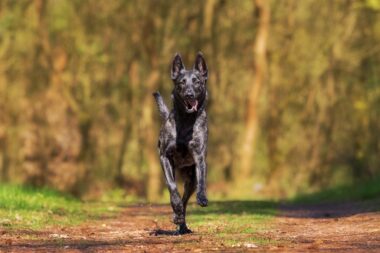
When it comes to dog photography, selecting the perfect background plays a critical role in shaping the overall composition of the image. A well-chosen background can enhance the dog’s features and create a cohesive story. The background should complement the subject, allowing it to stand out naturally. Choosing a simple backdrop can minimize distractions, directing focus to the dog. Consider natural backgrounds like grassy fields or sandy beaches that can provide a soft, pleasant tone. Using blurred backgrounds, often referred to as bokeh, adds a delightful depth to photographs. A clean separation between the subject and background helps in highlighting special details, such as fur texture or eye color. On the other hand, a busy background may overwhelm the subject, competing for attention. This is essential to keep in mind when capturing high-energy shots of playful dogs. Remember to experiment with various settings and angles. Each approach can yield different effects, offering unique perspectives to your images. Utilizing natural light will often enhance the colors present in the background, making for striking images that pop. Therefore, backgrounds are a vital element of successful dog photography.
Besides aesthetics, the background conveys emotion in dog photography. Sometimes, the location can tell a story about the dog, their breed, or their personality. For instance, a golden retriever sitting on a snowy backdrop evokes feelings of playfulness and joy. Alternatively, capturing a French bulldog against an urban scene can highlight their chic and trendy vibe. When planning a shoot, consider the narrative you want to tell through the photo. The dog’s surroundings should reflect their character, interests, or activities. If the dog loves water, a lakeside or beach setting would be ideal. For adventurous dogs, woodlands or rocky terrain provide an exciting backdrop. In contrast, older, more subdued dogs might be better suited to tranquil, simple backgrounds. Additionally, seasonal changes play a significant role in shaping backgrounds. Spring flowers or autumn leaves can enhance images in unique ways, adding color and freshness. Always analyze how different environments impact your photo shoots. This approach allows you to adapt your settings for various breeds or their specific predispositions. Ultimately, your goal should be to foster a harmonious relationship between the dog and its surroundings.
Colors and Textures in Backgrounds
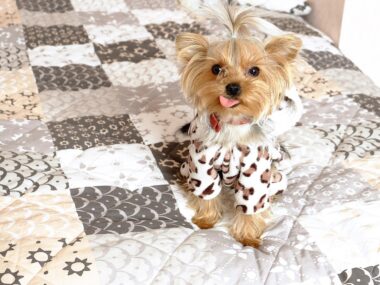
Colors and textures significantly enrich the visual appeal of dog photography. When you use backgrounds with vibrant colors, they can create a striking contrast against the fur tones of the dog. Consider warm colors such as reds, oranges, or yellows, which can evoke joy and warmth, particularly during golden hour when the lighting enhances colors. Conversely, cool colors like blues and greens can impart a sense of calm and serenity, making them ideal for subdued dogs. Textural backgrounds can also add dimension to your images. A rough brick wall or smooth wooden fence provides an interesting contrast to a soft, furry subject. Conversely, a soft blanket or grass can make photographs feel cozy and inviting. Experimenting with various surface materials aids in discovering new and exciting compositions. Furthermore, pay attention to how light interacts with textures, as it can further highlight the qualities of both the background and the dog. Knowing your equipment is crucial; using appropriate lenses can help, especially if you want to play with depth of field and focus. Ultimately, choosing colors and textures carefully can amplify the visual story being told.
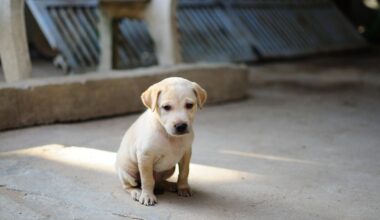
Location is equally important when it comes to establishing the backdrop for dog photography. The setting where you take pictures significantly influences the mood and theme of the photoshoot. Popular locations include parks, beaches, and urban areas, each offering unique qualities. Parks provide a range of natural backgrounds like trees, flowers, and open spaces. Beaches bring sandy shores and water reflections to create lively atmospheres. Urban settings can contribute a modern twist with attractions like murals or street art. Wherever you go, ensuring a safe space for the dog is essential, allowing them to feel comfortable and relaxed during the photoshoot. Personal spaces or familiar surrounding also yield delightful results. The dog may appear more at ease, leading to more authentic expressions and behaviors. Additionally, visiting local parks or dog-friendly cafés can yield a fantastic blend of canine interactions and interesting backdrops. This is an opportunity to take candid shots of the dog interacting with their environment. When traveling to new locations, consider scouting the area beforehand to find picturesque spots that can serve as perfect backgrounds. Ultimately, the location enhances the engagement of your dog in the photographic experience.
Natural Light vs. Artificial Light
Lighting is paramount in photography, directly influencing the quality of the images captured. Natural light is often considered the ideal choice for dog photography, as it brings out colors and details that artificial light may struggle to replicate. The golden hour, which is shortly after sunrise or before sunset, offers soft, warm lighting that can create stunning images of canines. During this time, shadows soften, and colors intensify, highlighting the dog’s features beautifully. However, shooting in bright daylight can lead to harsh shadows, particularly when the sun is directly overhead. This can cause squinting and unflattering shadows on the fur. In such cases, look for shaded areas or utilize reflectors to bounce light onto the subject, ensuring even illumination. On the flip side, artificial lighting, such as studio lights, can be advantageous during indoor sessions or in low-light conditions. Utilizing diffusers can help soften harsh lights, creating a balanced glow that reduces glare. Ultimately, timing and lighting play essential roles in creating beautiful, engaging dog portraits that capture their characters and attract viewers. It’s all about understanding how to work with various light sources to achieve the desired effect.
During post-processing, backgrounds can be further enhanced to achieve the perfect balance in dog photography. Editing software offers a range of tools that allow photographers to adjust the background colors, brightness, or even blur distractions. Using these options can enhance certain aspects of the image while taking the focus off the less appealing elements. Cropping is a straightforward technique that can frame the dog better, ensuring they remain the focal point of the composition. When enhancing colors, aim for a natural look that reflects the dog’s original appearance. Over-editing can lead to unnatural results that may detract from the quality of the photograph. Color grading can help achieve cohesive themes across various photographs, which is particularly useful for documenting a series of dog-related events over time. It is crucial to maintain consistency in your style as it aids in establishing your brand as a dog photographer. Attention to detail post-shoot is equally important, as even minor edits can elevate an image from ordinary to extraordinary. Overall, the background deserves as much attention during the editing process as the subject itself, ensuring a complete and harmonious composition.
Conclusion: Balancing Elements in Dog Photography
In conclusion, creating compelling dog photographs involves striking a perfect balance between the subject and the background. Each photograph tells a unique story; thus, understanding how backgrounds play a role is vital in achieving stunning results. Whether you opt for natural settings, thoughtful colors, or dynamic textures, the emphasis must always be on enhancing the dog’s beauty and character. It’s essential to experiment with different backdrops that bring out the individuality of your canine subject, creating memorable images in the process. Take the time to observe how various environments transform your images and adjust your approaches accordingly. Utilize both natural and artificial lighting effectively to boost your photos’ impact. Post-processing allows for refinement and adjustment, ensuring your final images personify the dog’s playful spirit. Remember that every dog is different, and what works for one may not work for another. Being adaptable and responsive to the dog’s needs and comfort can yield the best outcomes. Seek inspiration wherever possible, and don’t hesitate to innovate and try new background ideas. The art of dog photography is truly about capturing those special moments, thus creating lasting memories.