
Choosing the Right Time of Day for Outdoor Dog Photo Shoots
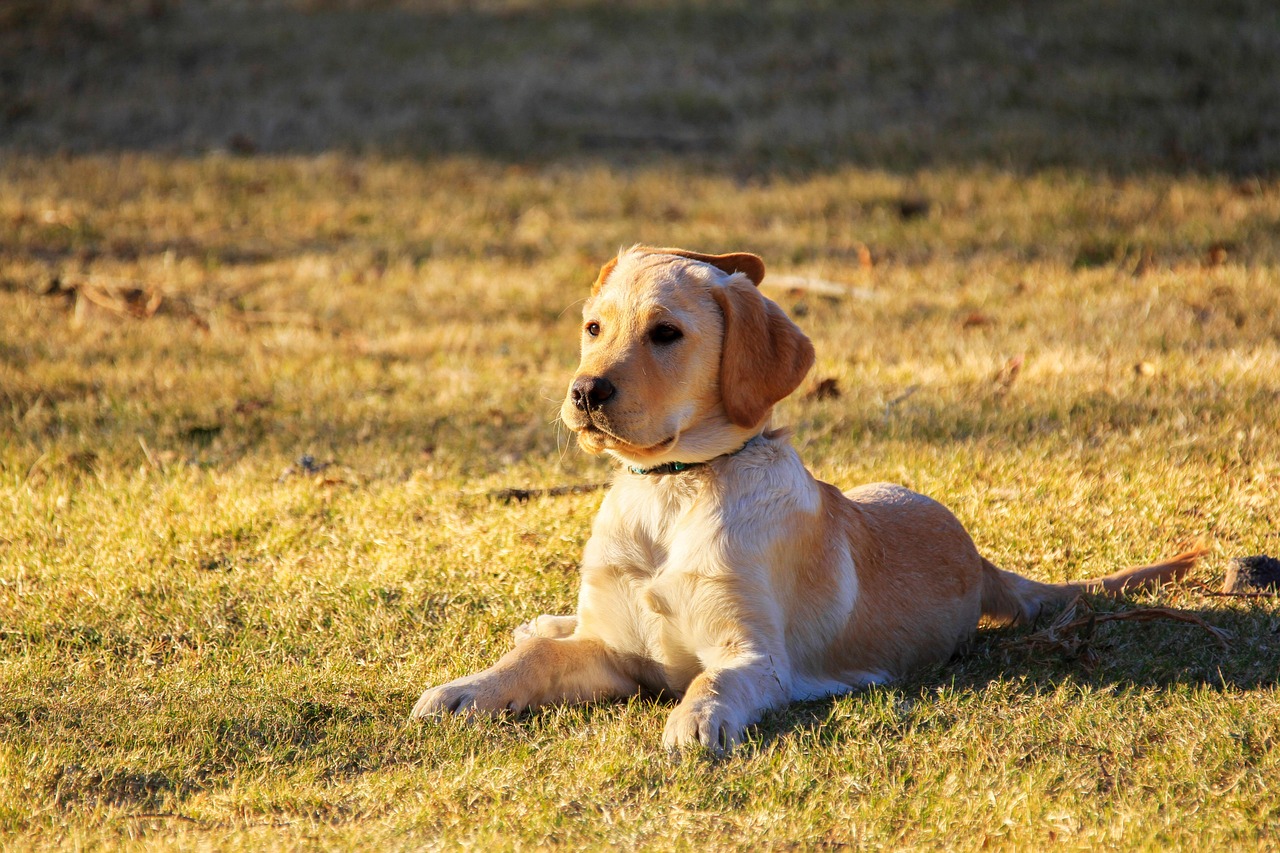
Outdoor photography presents unique opportunities to capture stunning images of dogs in various environments. The time of day you choose for your photoshoots greatly influences the quality of light and mood of your images. Golden hour is a popular choice, occurring shortly after sunrise or just before sunset. The soft, warm light enhances the subject’s features and reduces harsh shadows. Furthermore, during this time, the landscape is often bathed in a beautiful hue that complements the playfulness of your dogs. Plus, early mornings or late afternoons can result in fewer distractions, such as a bustling crowd, making it easier to keep your dog’s attention. However, it is also essential to consider your dog’s energy levels; some dogs may be more active during certain times of the day. Understanding your dog’s behavior and preferences helps make the shoot enjoyable. Think about the ideal backdrop. A park or open area can offer beauty without too much clutter. A well-chosen spot can add ambiance and style to your outdoor dog photography, enhancing the overall story of your images.
Another significant factor that affects outdoor dog photography is weather conditions. Clear skies are appealing, but overcast days offer a soft, diffused light that is fantastic for capturing details without harsh shadows. The muted tones of an overcast day can result in striking, thoughtful photographs. Consider leash laws and park regulations before going outdoors, ensuring that your chosen location provides both safety and beauty. Wind is another element to keep in mind; strong winds can make dogs anxious and potentially disrupt your shoot. Find a sheltered spot if the weather turns unfavorable. Pay attention to your local forecast before heading out. A little preparation can go a long way in achieving the perfect shots with minimal stress. Be ready with an alternative plan just in case conditions change unexpectedly. Bring your smartphone or a portable device to scout locations and note down the best times for optimal lighting. Always have treats at hand, as they can help redirect your dog’s focus and maintain their energy levels throughout the session. By aligning the time of day, location, and weather, outdoor dog photography can certainly thrive in a variety of scenarios.
Utilizing Natural Light Effectively
Natural light is one of your best tools in outdoor dog photography, as it allows colors to appear more vibrant and textures to be pronounced. Understanding how to harness different lighting conditions can transform your images. For instance, right after sunrise, soft morning light casts a beautiful glow, making it an ideal time for portraits. Conversely, mid-afternoon light can be too bright, leading to glare and washed-out colors. Consider utilizing shaded areas or dappled light found under trees to soften the harsh midday sun. This helps achieve the perfect exposure without sacrificing detail. Shadows can create depth and add drama to your compositions if used wisely. During late afternoon, the sun’s angle gives off a warm hue perfect for enhancing fur tones. Ensure you scout locations beforehand, keeping an eye on how light interacts with your backgrounds. Keep in mind that your dog’s fur color can also significantly influence lighting choices. Lighter furs often work better with softer light, while darker fur might benefit from more contrast. Using reflectors can also bounce light back onto your subject if you work with harsher conditions.
When planning outdoor dog photography sessions, timing and preparation are essential elements to guarantee fun and successful shoots. Aim to schedule your photo shoots during your dog’s more active times to maximize their energy levels and enthusiasm. Observing your dog’s daily habits helps determine when they’re most lively, making the session less of a chore and more enjoyable. A direct correlational benefit is the vibrant emotions captured in such moments. In addition to timing, coming equipped with toys can create engaging interactions, making it easier to capture those genuine doggy expressions. Incorporating fetching or playing games also reflects the dog’s personality in ways that staged shots may not accomplish. Furthermore, your presence and attitude will significantly affect your dog during the shoot; being excited and cheerful will encourage them to display their best behavior. Relaxation is imperative, both for you and your furry friend. Consider taking short breaks to ensure your dog doesn’t feel fatigued. The experience should be as enjoyable as the resulting images you create together, fostering a relationship that encourages future photoshoots together with pleasure rather than pressure.
Creating Stunning Backdrops
The backdrop for your outdoor dog photography plays a pivotal role in setting the tone of your photographs. Beautiful natural settings can elevate the quality of your images, highlighting your dog’s personality against dynamic scenery. Seek out parks, beaches, fields, or gardens where you can capture the essence of your dog while incorporating nature into the composition. When choosing a backdrop, think about contrast—dark-colored dogs stand out against lighter surroundings and vice versa. Look for interesting elements such as trees, rocks, or even flowers that can act as framing devices to enhance your photographs. Additionally, using leading lines in the landscape can draw the viewer’s eye directly to your subject. Remember to experiment with unique angles and perspectives to uncover captivating and unexpected shots. It’s essential to vary your compositions, mixing wide-angle shots with close-ups that showcase your dog’s expressions. Additionally, be mindful of distractions that may take away from your subject—cluttered backgrounds can shift the focus away from your dog. Understanding how to utilize the environment around you effectively will empower you to create stunning images that tell a compelling story of your beloved canine companion.
Capturing outdoor dog photography is an exciting adventure, but it requires patience and flexibility. Dogs are unpredictable, which adds to their charm, yet poses a challenge for photographers. Being prepared with a game plan and treating the shooting process as a fun interaction can result in excellent images. Always remember that unexpected moments often bring forth the best photographs. Have a camera ready to capture spontaneous actions, like a dog shaking off water or bounding toward the camera. Keep an upbeat mood, as a stressed environment can lead your dog to glimpse discomfort. Your willingness to adapt to unforeseen circumstances will reap photographic rewards you may have initially overlooked. Plan multiple locations throughout your shoot, allowing for a diverse portfolio without the pressure of capturing a perfect image every single shot. If you encounter challenges with lighting, use the environment creatively to work around it. Bear in mind that outdoor sessions do require flexibility—clouds can obscure the sun, and wind can be unpredictable. Embracing these obstacles can lead to creative opportunities, resulting in an endearing collection of photographs that highlight your dog’s wonderful personality while showcasing their adventurous spirit outdoors.
Post-Processing Your Outdoor Photography
After a successful dog photography session, the next phase is post-processing, where you can refine and enhance your images. Clicks from an outdoor shoot may need adjustments to optimize lighting and color. Utilize software programs to adjust exposure, contrast, and saturation to bring out the best in your photos. This step is essential for achieving consistency across your portfolio. Crop unwanted distractions, direct the viewer’s gaze to the dog, and utilize sharpening tools to enhance details. Keeping your edits natural ensures your images maintain the authenticity of the moment. Additionally, consider applying filters sparingly to enhance the mood, highlighting those golden or soft hues captured during the shoot. Don’t forget to watermark your images if you plan to share them online, providing your photography with proper credit. An organized file management system helps in tracking your edits and preserving the original versions of your images for future reference. Overall, post-processing is where the magic happens, transforming the essence of your outdoor dog photography into stunning visual stories worthy of display and enjoyment for years to come.
To sum up, careful planning is crucial for outdoor dog photography success. Scheduling your shoots during optimal natural light guaranteed by the golden hour can significantly impact your images. Weather and location play pivotal roles in achieving stunning backdrops uniquely tailored to your dog’s personality. Stay adaptive in your approach, as dog photography is often full of surprises. Understanding your dog’s routines and character allows for pet-friendly sessions filled with joy and enthusiasm. Involve toys and playful interactions, capturing those genuine moments that showcase their beauty. You should also remember that post-processing is an essential aspect of photography that is necessary to fine-tune your images. Editing can further distinguish your work, making it more presentable and professional. After every shoot, reflect on your experiences and gather what worked and what didn’t to ensure future photography outings improve progressively. Each outdoor dog photography session is a learning opportunity, allowing you to grow as a photographer while enriching your bond with your furry companions. With the above tips in mind, you’re well prepared to embark on your outdoor dog photography journey, creating delightful memories to treasure with each snap.