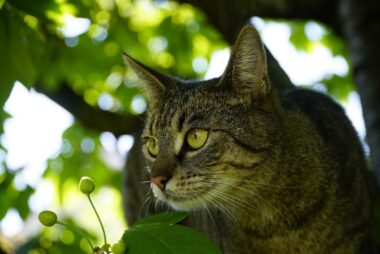

The Connection Between Boredom and Cats Chasing Shadows
Cats are inherently curious creatures, and their behavior can often reflect their mental state. When cats become bored, they may start engaging in peculiar activities like chasing shadows and lights. This behavior is typically a direct reaction to a lack of stimulation in their environment. Engaging in such activities provides them with exercise and mental engagement. However, not all shadow chasing is benign; it can sometimes indicate underlying anxiety or a need for attention. Cats chase shadows due to the erratic movement of light, which triggers their predatory instincts. The unpredictability of shadows creates an exciting scenario for your feline friend. Boredom may compel a cat to seek entertainment through this means, highlighting the importance of providing ample stimulation. Cats may thrive with toys, interactive play, or even simple exposure to natural sunlight. To prevent boredom, pet owners should regularly invest time in playtime sessions and consider various toys. Even a simple cardboard box can become an imaginative play zone for your cat, diverting them from chasing shadows and redirecting their energy positively.
This behavior is not just a quirk; it’s rooted in their evolutionary history as hunters. Domestic cats, descendants of wild hunters, possess instinctive tendencies to stalk and pounce. When shadows or beams of light flit across the floor, it mimics the movement of prey, stirring these instincts. Cats find fascination in the chase, often engaging in what might appear to be mindless activity. This highlights the necessity for pet owners to understand that such behavior is natural. Cats also engage in shadow chasing when they are bored, as their energy must find an outlet. By ensuring that your cat has regular interactions, you not only appease their instinctive behaviors but also strengthen your bond. Consider incorporating play types such as feather wands or laser pointers during playtime. These toys can elicit excitement and prompt your cats to engage more actively. Ultimately, a well-stimulated cat becomes less likely to resort to chasing shadows as a source of entertainment. Boredom can lead to other behavioral problems, making it essential to monitor your kitty’s activity levels and interests closely, and to adapt their surroundings for enhanced engagement.
Boredom could also lead to destructive behaviors, making understanding shadow chasing essential. Open spaces in your home provide the perfect setting for cats to notice subtle movements. If bored, cats might chase light reflections, portraying a hunt-driven alertness. When left unchallenged, feline boredom can morph into compulsive behaviors. Chasing shadows might evolve from a simple play routine into more anxiety-driven patterns if ignored. To address these behaviors, consider the importance of enriched environments. Incorporating climbing structures, scratching posts, and interactive toys can help diversify your cat’s activities. Additionally, rotating their toys can create a sense of novelty, appealing to their curiosity. Regular playtime with owners can also involve interactive games that elicit their natural hunting instincts. Providing varied play options keeps your cat engaged and content. Furthermore, enhancing the environment with engaging elements can prevent them from obsessively chasing shadows. Observing your cat’s preferences can provide insights into what entertains them most effectively. After all, an active mind leads to a happy cat and a harmonious household, reducing the need for shadow chasing altogether.
Understanding Feline Boredom
Understanding feline boredom is crucial for providing a nurturing environment. It encompasses more than just idle behavior; it can reflect a cat’s emotional and psychological state. The lack of engagement and stimulation leads to this boredom, resulting in cats seeking unconventional outlets for their energy. They may start exhibiting behaviors such as excessive grooming, meowing, or of course, chasing shadows. As pet owners, recognizing these signs is vital for ensuring your cat’s happiness. Cats thrive on routine and predictability, but they also need stimulation for their instincts. Engaging them through play or providing a window perch for bird-watching can significantly improve their environment. Cats naturally vary in temperament, and some may require more interaction than others. Avoiding neglecting the mental needs of your cat can stave off boredom-related issues. A deep understanding of each cat’s individual preferences can guide you in selecting appropriate enrichment activities. Understanding boredom’s implications can promote not only their well-being but also a better relationship between pets and their owners. Thus, creating an inviting space can go a long way towards preventing the need for chasing shadows.
Various forms of enrichment are available to engage and stimulate your cat’s interest. Offering a variety of toys such as balls, plush mice, and interactive puzzle feeders can make playtime more enticing. Moreover, utilizing technology, such as cat videos designed to stimulate their curiosity, can add variety to their daily routine. A scratching post can also serve as both an entertaining and functional addition to your home setup. Physical exercise is essential to your cat’s overall health and emotional well-being. By engaging them in structured playtime, you harness their natural instincts while strengthening your bond. both mental and physical activities must be balanced to achieve optimal feline satisfaction. Some cats may enjoy participating in training exercises, where they learn skills like fetching or walking on a leash! These activities can provide both mental stimulation while preventing boredom at home. Consistency is key in ensuring your responsibilities meet their needs. Boredom can lead to chasing shadows, reminding us that play transforms the mundane into exciting adventures.
Signs of a Bored Cat
Recognizing the signs of a bored cat is essential in addressing their needs effectively. Cats displaying negative behaviors may indicate insufficient stimulation or engagement in their environment. Some common signs include increased vocalization, scratching furniture, or excessive grooming, which can signal a search for entertainment. It’s crucial to act promptly if you observe these behaviors. Regular interactive sessions can help to prevent this, allowing your cat to channel their energy positively. Maintaining a fresh and dynamic environment can significantly reduce the chances of boredom-induced behaviors. Gradually introducing new toys or rotating their selection keeps them mentally challenged and stimulated. Additionally, regularly changing your home’s layout can lead to exploration and novelty for your cat. Cats appreciate their surroundings, yet they thrive on variety. Investing time in observing your cat’s preferences can help you provide fulfilling experiences. Consider involving them in playtime sessions and offering varied environments where they can explore freely. Acknowledging the signs of boredom in your cat can mitigate habits like shadow chasing. Ultimately, taking proactive measures ensures your feline friend enjoys their living space.
Understanding the reasons behind a cat’s tendency to chase shadows leads to better care practices. Each cat possesses unique traits influencing their behavior. Different cat breeds exhibit varying levels of energy and playfulness, impacting their likelihood of engaging in shadow play. High-energy breeds require more physical activity, while lower-energy variations might display increased sensitivity toward environment changes. It is crucial for owners to adapt their approach to fit specific traits and tendencies, facilitating tailored engagements with their pets. Be proactive in monitoring your cat’s play preferences, ensuring you present activities that resonate with them. Additionally, social interaction plays a vital role; some cats seek more affection and companionship than others. By aligning playtime with their personality traits, the likelihood of unhealthy behaviors declines. In conclusion, knowing your cat’s unique characteristics enables you to provide targeted enrichment and ultimately leads to a happier home. Addressing boredom effectively sustains mental stimulation and prevents habitual shadow chasing. Remember, every cat deserves an environment where fun and growth are priority, with engaging activities that nurture their instinctive behaviors.
Therefore, the connection between boredom and a cat’s inclination to chase shadows cannot be understated. Engaging your cat in meaningful activities represents a commitment to their emotional health. It promotes better interactions, environments, and responses to their natural instincts. Encouraging active play helps channel their energy, reducing unwanted behaviors due to boredom. As a responsible cat owner, tapping into their playful side keeps kitty entertained while building fond memories together. Explore varied activities with your feline friends, honing their instincts in a way that is enjoyable for both. Remember, play offers catharsis and allows them to express their natural behaviors. With adequate attention, stimulation, and commitment, chasing shadows can become a rare occurrence rather than a habitual issue. Additionally, regularly observing your cat’s preferences encourages the implementation of engaging enrichment activities. By fulfilling their needs, you create a richer, more dynamic environment that fosters positive behavior. Ultimately, incorporating these strategies can significantly improve your cat’s quality of life. A well-stimulated cat leads to decreased anxiety and happier indoor activities, providing a fulfilling home for everyone involved.