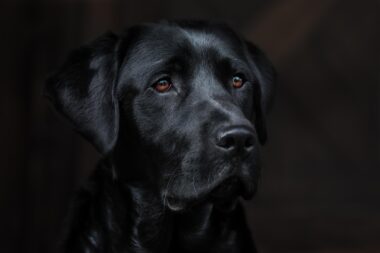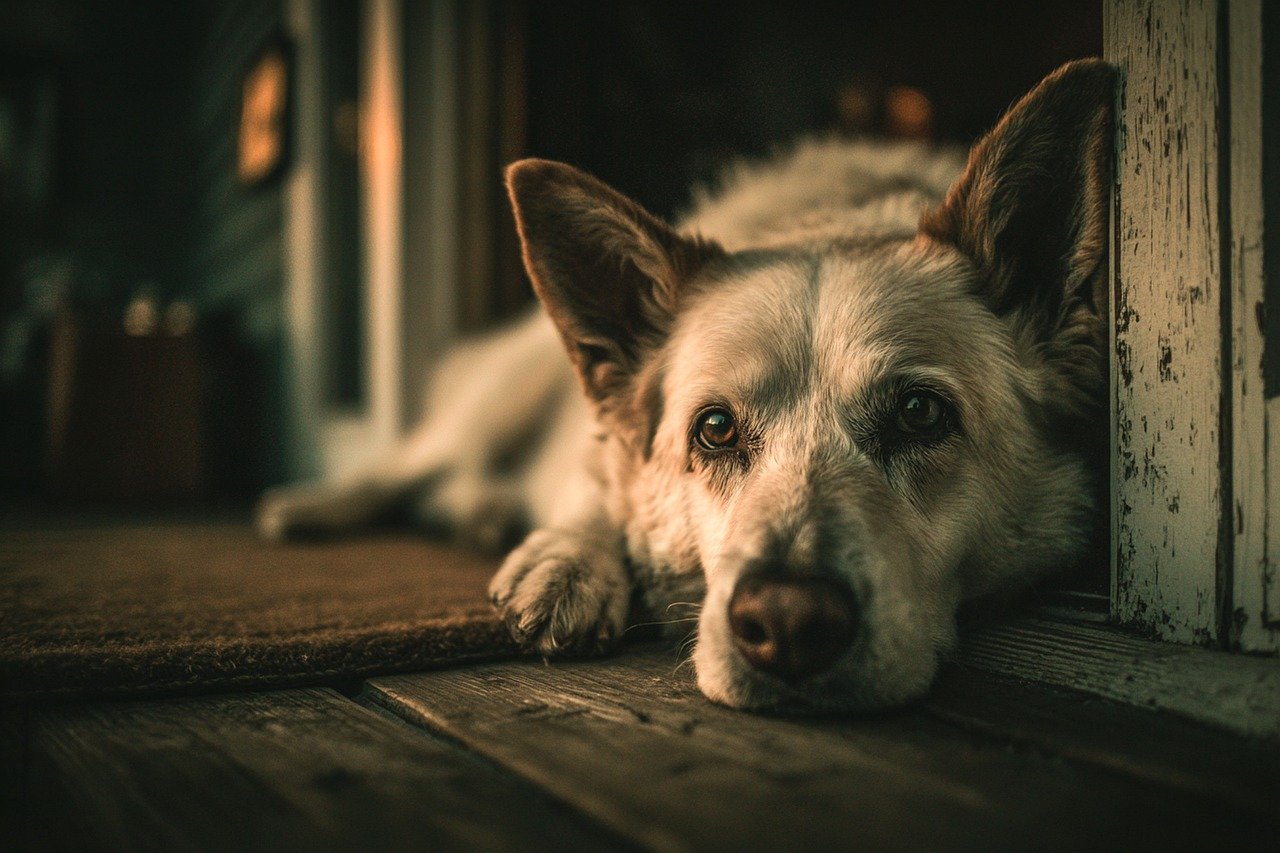

Using Natural Light to Enhance Dog Facial Features
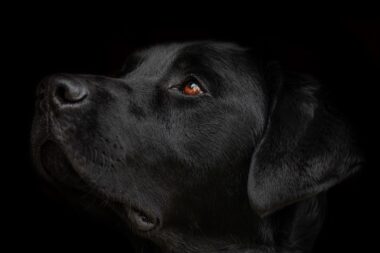
Capturing dog expressions effectively requires an understanding of light and how it interacts with your subject. Natural light is one of the best options for photographing dogs, as it creates soft shadows and highlights that enhance facial features. However, to make the most of natural light, knowing when and where to shoot is crucial. Early morning and late afternoon are ideal, thanks to the golden hour glow. During these times, light is warm, and it brings out the best in your dog’s fur and facial features. Additionally, setting your photoshoot in shaded areas can prevent harsh contrasts that may lead to unflattering images. Avoid shooting in direct sunlight, as it can create unsightly glare and shadows that can obscure your dog’s expressions. Explore different angles by getting down to your dog’s level to create more engaging pictures. Positioning yourself at eye level allows viewers to connect better with your pet’s expression. Therefore, being mindful of lighting conditions will drastically transform your dog photography, making their expressions shine in your captured moments.
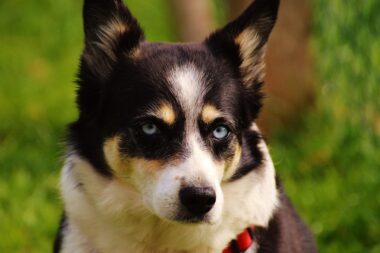
To effectively capture your dog’s features, pay careful attention to their expressions during natural light photography sessions. Look for moments when your dog is alert, playing, or resting, as these times often yield the most authentic expressions. Dogs communicate through their faces, and subtle variations can convey a range of emotions. For example, raised eyebrows and perked ears might indicate curiosity or excitement, while relaxed features signify contentment. Utilize a fast shutter speed to freeze moments capturing those fleeting expressions where your dog reacts to stimuli, such as toys or other animals. This is particularly important if you are photographing an energetic breed that rarely sits still. Additionally, an understanding of your dog’s habits can help you anticipate the right moment to take the shot. A squeaky toy or a treat might just be the perfect way to elicit a joyful response. Once you capture those genuine expressions, consider varying your framing techniques—tight shots can bring the viewer closer to the emotion displayed on your dog’s face. Experimenting with angles and compositions will yield unique portraits and ensure each picture tells its own story.
Choosing the Right Environment
Your choice of environment can greatly influence the natural light available and the overall mood of your dog photography. When photographing dogs, select locations that naturally complement their personality. For instance, a grassy park can enhance the playful spirit of an energetic breed, while a quiet forest may suit a more serene dog. Look for environments with varying light conditions to offer diverse photographic results. Utilizing trees for dappled light can create interesting effects and textures that add depth to your images. However, it’s essential to ensure that your background does not distract from your dog’s expressions. A cluttered or overly bright background can take attention away from your subject. Opt for simple, muted surroundings that allow your dog’s features to stand out. As you explore various backgrounds, consider your dog’s coloration and how it interacts with the light. Contrasts between your dog’s fur and the surroundings can either enhance or diminish the overall impact of the photograph. Moreover, be prepared to adapt your positioning based on the changing light throughout the day. The environment can evolve in terms of lighting, providing an array of creative opportunities for stunning dog portraits.
Moreover, mastering camera settings is vital when capturing natural light expressions. Adjust your aperture, shutter speed, and ISO settings according to the lighting conditions. A wider aperture (lower f-stop) can create a shallow depth of field, allowing your dog to stand out distinctly against a blurred background. This technique draws the viewer’s focus directly to your dog’s facial features, enhancing the emotion captured in the moment. A fast shutter speed helps eliminate motion blur, which is essential for active breeds. In lower light situations, you may need to increase your ISO setting; however, balance is crucial to prevent unnecessary noise that could detract from the image quality. Experiment with manual focus for sharper portraits, especially when dealing with unpredictable subjects. Dogs may not always stay still, so having control over your focus point ensures their eyes remain sharp and clear. Familiarize yourself with your specific camera model and its features to maximize your output. With practice, utilizing natural light will become more intuitive, allowing you to create breathtaking dog portraits that capture their personality and expressions effortlessly.
Post-Processing Techniques
After capturing stunning dog photos in natural light, consider post-processing to further refine your images. Software programs such as Adobe Lightroom or Photoshop provide excellent tools to enhance your photographs while preserving the natural feel of your shots. Start by adjusting exposure, brightness, and contrast to highlight your dog’s features. Increasing clarity can accentuate details in fur and expressions, making your portraits more impactful without straying too far from realism. Color correction is essential to maintain the warmth of natural light that enhances your dog’s look. If certain colors appear off, utilize the selective color correction tool to balance hues. Some photographers prefer to apply subtle filters or presets that enhance overall color palette cohesiveness, but be careful not to overdo it, which can lead to artificial-looking outcomes. Moreover, cropping can refocus viewer attention on your dog’s expressions by removing distracting elements from the frame. Lastly, don’t forget to save your edits carefully, as a well-processed image can elevate your work significantly. By refining each photo while maintaining authenticity, you showcase your dog’s unique personality and expressions in the best possible light.
When creating impactful dog photography, remember that patience is vital. Dogs are unpredictable, and every shoot will have its unique dynamics. Allow your dog to adjust to the environment, providing them with time to get comfortable. Patience often leads to more candid moments, which result in stunning images that showcase their true character. Bring along treats or toys to excite your dog and instigate playful behavior; this not only captures their expressions but also creates a more enjoyable experience. As you shoot, observe how your dog interacts with their surroundings. This interaction often yields genuine moments and spontaneous expressions that resonate with viewers. Tuning into their emotional cues will make for more naturalistic photographs, where the relationship between dog and owner is palpable. Exploring different locations, angles, and perspectives can make a significant difference in the outcome of your shots. The beauty lies in the spontaneity of each picture; be ready to capture those fleeting moments that unveil your dog’s character. Ultimately, this journey of patience and observation will culminate in a captivating collection of dog portraits that truly represent the essence of your beloved companion.
Conclusion and Final Thoughts
In conclusion, utilizing natural light offers significant advantages in capturing dog expressions effectively. The right lighting can transform ordinary portraits into stunning representations of your pet’s personality. By understanding how to manipulate light, you will create impactful images that resonate with viewers. This understanding includes paying attention to your dog’s behaviors and expressions, as they are pivotal in creating emotional connections through photography. Exploring different environments and framing techniques will further enhance your creativity, leading to a diverse portfolio of images. As you refine your skills, remember that every dog is unique, and they’ll express their personalities in different ways. Embrace each session as an opportunity to learn and adapt your techniques. Regardless of whether you are a novice or an experienced photographer, there’s always something to discover about capturing dog expressions. Implementing careful planning, patience, and a willingness to explore will certainly yield rewarding results in your photographic journey. Therefore, take your time, enjoy every moment with your furry friend, and capture their beautiful expressions in a way that showcases their remarkable spirit.
By harnessing the power of natural light, understanding your dog’s personality, and mastering composition, you will elevate your dog photography to new heights. This approach to capturing dog expressions will not only produce visually stunning images but also encapsulate the essence of your pet’s character. Keep experimenting with different techniques and settings, as the world of photography is limitless. Each dog presents its unique opportunities to explore, and each photo will tell a part of their story. As you build your portfolio, don’t hesitate to share your work with the canine-loving community. Engage with fellow pet owners, photographers, and enthusiasts to gain inspiration and insights. The more you share, the more you’ll grow in your craft, and you may find new avenues to explore in dog photography. As you progress, seek out feedback to continuously refine your skills and understand the nuances of using natural light. Remember that practice is key; the consistent pursuit of improvement will yield fruitful outcomes. With each photograph captured, you contribute to the beautiful narrative of the bond between humans and their dogs.