
The Importance of Community Involvement in Dog Rescue and Wildlife Protection
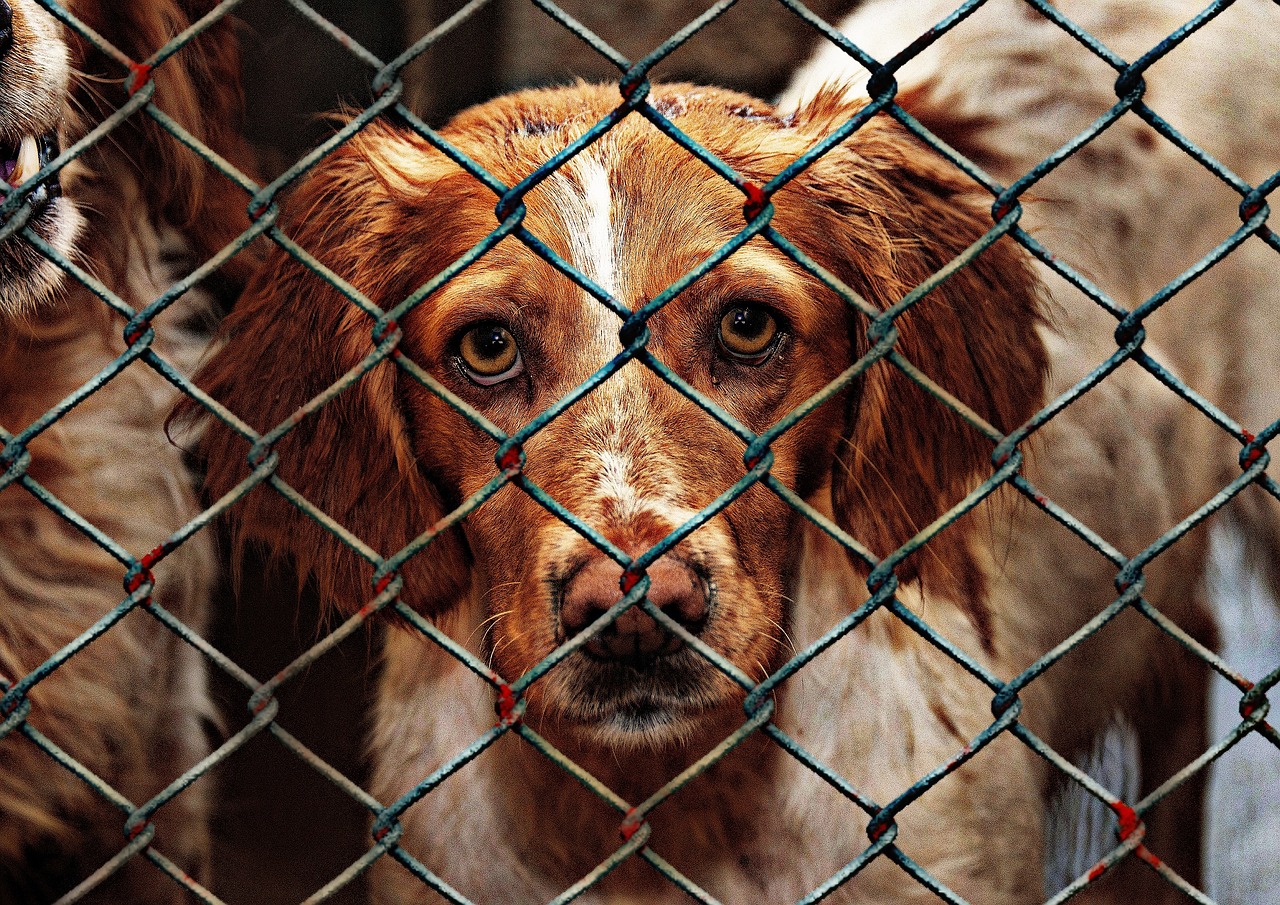
Community involvement is essential for the success of dog rescue and wildlife protection initiatives. Through active participation, individuals can significantly improve the chances of finding forever homes for abandoned pets. Local shelters frequently rely on volunteers who dedicate their time to foster dogs in need. By engaging with these organizations, communities help raise awareness about the number of animals facing dire situations. Through social media campaigns and local events, volunteers can spread the message about adoptions. Furthermore, community support can enhance funding through donations or fundraising efforts, ensuring that shelters have necessary resources. When individuals invest their time in these activities, it creates a ripple effect, inspiring others to contribute as well. Additionally, educational outreach can improve public understanding of responsible pet ownership and conservation efforts. Local schools can be effective venues for teaching children about animal welfare and preservation of habitat. Ultimately, a well-informed community is better prepared to engage in rescue efforts, fostering a culture of care that benefits both dogs and wildlife alike. Thus, every member of the community plays a vital role in promoting these essential initiatives through volunteering and sharing their passion for animals.
The importance of spaying and neutering pets cannot be overstated. Overpopulation leads to more strays, which puts a strain on resources available for dog rescue. When community members participate in awareness campaigns, it encourages responsible pet ownership. Spaying and neutering prevent unwanted litters and subsequently reduce the number of animals entering shelters. Local veterinarians frequently collaborate with rescue shelters offering low-cost options for these services. Housing community events centered around this topic can lead to higher participation rates. Prospective pet owners should understand the long-term benefits of these procedures; it allows for happier, healthier pets while reducing costs. Educational pamphlets distributed by volunteers can effectively convey these messages, offering valuable insights into the health benefits for dogs. Additionally, reducing the number of stray animals aids wildlife protection. Stray dogs can turn into threats for local wildlife, potentially disrupting ecosystems. Therefore, when community efforts focus on spaying and neutering as part of responsible ownership, a positive impact is felt throughout. Educational workshops can further engage community members and help foster a love for not just dogs but wildlife conservation as well. All residents should contribute to these vital considerations.189 words.
The Role of Local Media in Promoting Initiatives
Local media plays a crucial role in promoting dog rescue and wildlife conservation initiatives through community involvement. Coverage can motivate individuals to attend adoption events or become involved with volunteer efforts. Articles in newspapers, social media posts, and news segments spotlighting these activities enhance awareness. When media highlights heartwarming rescue stories, it fosters empathy in the audience, motivating them to take action. Platforms such as Facebook and Instagram allow organizations to reach larger audiences, promoting fundraisers and adoption campaigns. Furthermore, partnerships between shelters and local businesses amplify outreach potential. Restaurants and shops can host events where a portion of the proceeds benefits a local shelter. Engaging stories shared through various media channels can create a narrative that binds the community together. Local influencers often amplify these messages, broadening the reach even further. This creates a community-centered approach to animal welfare, as residents come together to support local organizations. Additionally, educating the public on wildlife conservation through media channels aids in changing perceptions about the importance of biodiversity. Engaging in discussions about local wildlife habitats fosters a dialogue about how to protect and preserve these vital ecosystems. All together, media becomes a formidable ally in these social causes.
A vital aspect of community involvement in dog rescue is the need for fostering relationships with local businesses. These entities can provide support in various ways, such as hosting adoption events or donating resources. Partnerships established between shelters and businesses can lead to mutual benefits. For instance, stores can showcase available pets in need of homes, encouraging customers to adopt. Additionally, businesses can contribute by providing supplies, food, or financial donations. In return, these companies often receive positive publicity, enhancing their brand image. Communities benefit when they rally behind their local businesses that support dog rescue and wildlife efforts. Events such as “Doggie Days” can draw crowds while promoting adoption initiatives. Creating themed events encourages dog owners to bring their pets, providing a fun atmosphere that promotes interaction. It helps spotlight the dogs in need while fostering a sense of unity. Grassroots campaigns initiated by local businesses can enable shelter representatives to distribute awareness materials about pet ownership and wildlife conservation. As businesses engage, community involvement grows, increasing the chances of successful dog rescues and wildlife protection. Collaborations inevitably strengthen ties within the community while directly impacting the lives of animals in need.
Educational Workshops for Community Engagement
Educational workshops serve as a formidable tool for fostering community involvement in dog rescue and wildlife protection. These sessions provide invaluable knowledge surrounding responsible pet ownership, training methods, and animal behavior. Engaging the community in these workshops can promote awareness about various animal welfare issues. Through hands-on activities, participants learn about the challenges faced by local shelters, creating empathy among attendees. Animals’ needs in terms of behaviors often remain misunderstood. Therefore, discussing these aspects significantly enhances understanding. Educational programs can also extend to wildlife problems, such as habitat preservation and the impact of domestic dogs on wildlife populations. Volunteers with experience often lead these workshops, bridging the gap between practical experience and community learning. Schools and community centers represent excellent venues for raising awareness, where participants can actively engage. By hosting these workshops regularly, communities cultivate a sense of belonging and promote long-term involvement in rescue efforts. Additionally, the information disseminated empowers individuals to advocate for their pets and wildlife in their neighborhoods. As bonds strengthen within communities, individuals become more proactive in promoting responsible ownership and conservation efforts, ultimately benefiting both dog rescue and wildlife protection.
Collaborative efforts among community members can significantly impact dog rescue and wildlife conservation initiatives. When neighbors come together to share resources, it creates a robust network of support for these causes. Organizing community clean-up events showcases the benefits of teamwork while helping maintain habitats for local wildlife. Likewise, dog-walking groups encourage pet owners to engage with one another and exercise their pets while socializing. These initiatives foster a sense of camaraderie, creating a vibrant community dedicated to animal welfare. Engaging youth through schools or community programs can instill values of responsibility concerning animal care. Children participating in clubs that promote volunteering experience satisfaction from helping others. Additionally, community members can utilize development projects that benefit animals, such as creating dog parks or wildlife corridors. Collaborating with local authorities can facilitate necessary approval for these projects. Residents optimizing their community spaces ultimately benefit dog rescue efforts and wildlife preservation. Moreover, local organizations frequently provide networking opportunities for individuals who wish to contribute. Creating these connections inside a community strengthens support systems and promotes overall well-being for both dogs and wildlife. The importance of teamwork among residents cannot be overstated, as collective action can change lives.
Conclusion and Future Directions for Community Involvement
The future of dog rescue and wildlife conservation hinges on active community involvement. Sustaining a commitment from residents is essential for nurturing long-term partnerships between shelters and the public. This collaboration increases awareness and understanding of animals’ needs, empowering citizens to contribute positively. Involvement can take many forms, such as volunteering time, financial donations, or simply spreading the word about rescue initiatives. As more individuals recognize their roles, the community becomes stronger and more interconnected through shared interests. Further, fostering empathy and knowledge through educational workshops sparks interest in conservation. Community members equipped with information can influence positive changes, affecting local policies. Encouraging local businesses to support adoption campaigns reinforces the idea that community ranks above profit. When dogs and wildlife receive the attention they deserve, local ecosystems thrive in a protected environment. Engaging youth cultivates passion toward advocacy, ensuring the next generation actively participates in pet and wildlife welfare. Harnessing available resources collectively yields prosperous results. Thereby, prioritizing community involvement builds resilient support networks focused on dog rescue and wildlife conservation. This collective effort guarantees that animals receive love, care, and protection for years to come.