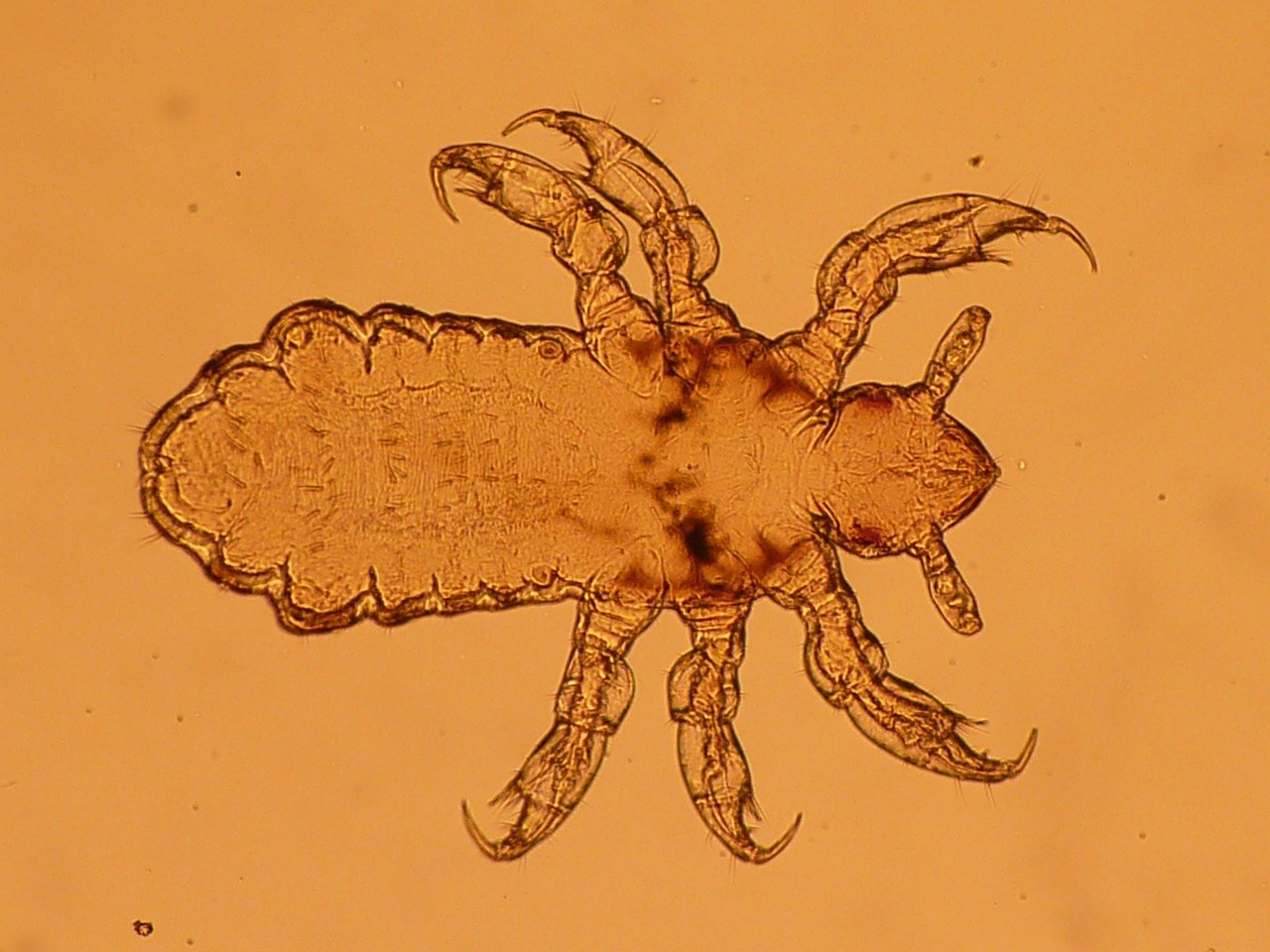

Parasite Resistance and Its Implications for Feline Health and Control Measures
Understanding parasite resistance patterns in felines is essential for effective health management. Parasites such as fleas, ticks, and intestinal worms significantly impact the overall well-being of cats. Resistance may develop due to various factors, including overuse of specific treatments, genetic variations, and environmental influences. Identifying these resistance patterns is crucial for ensuring that control measures remain effective. Veterinarians and pet owners should work together to monitor these patterns and adapt treatment strategies accordingly. Regular veterinary checks can help detect emerging resistance trends early on. A proactive approach allows for the optimization of parasite control protocols while keeping the feline’s health at the forefront. As awareness of these resistance patterns grows, so does the importance of integrated parasite management strategies. Educating pet owners about the signs of parasite infestations can lead to quicker interventions. Additionally, adopting preventive measures can diminish the impact of these organisms on feline health. Ultimately, a comprehensive understanding of resistance patterns informs better clinical decisions and enhances the health and quality of life of the furry companions we cherish.
Several factors contribute to the development of parasite resistance among feline populations. For instance, the frequent use of the same anti-parasitic drugs can lead to a higher likelihood of resistance over time. When parasites are repeatedly exposed to the same chemicals, they can adapt and develop mechanisms to survive treatment. This adaptation often results in treatments becoming less effective, necessitating higher doses or alternative therapies. Additionally, genetic factors within specific feline breeds can influence their susceptibility to parasitic infections and their ability to develop resistance. Environmental conditions, such as temperature and humidity, can also affect parasite survival rates and transmission dynamics. To tackle parasite resistance, researchers suggest implementing rotation protocols for anti-parasitic medications. This implies alternating different classes of drugs to minimize resistance risk. Preventive measures, such as maintaining clean living environments and practicing good hygiene, can also contribute to reducing the burden of parasites. Regular monitoring and assessment are critical. Ultimately, understanding these intricate dynamics is vital for maintaining effective feline health while minimizing the risks associated with parasite resistance.
Implications of Resistance for Treatment Strategies
The emergence of parasite resistance significantly affects treatment strategies for feline health care. Traditional approaches may no longer yield satisfactory results as certain parasites evolve to withstand commonly used medications. This situation necessitates a reevaluation of existing treatment protocols and the development of new alternatives. The implications of resistance extend beyond the individual cat, influencing overall feline populations. As resistant parasites proliferate, the effectiveness of comprehensive control measures diminishes, leading to increased infestations. This trend can have profound consequences for veterinary practices, requiring them to adopt more aggressive management strategies. Additionally, it increases the burden on pet owners who may face mounting veterinary costs. Education plays a crucial role in addressing these challenges. Pet owners must be informed about the significance of proper medication use and adherence to treatment schedules. By engaging in discussions regarding parasite resistance, cat owners can contribute to the development of more sustainable practices. Veterinary professionals must continuously update their knowledge and training. This commitment can help them respond effectively to changing resistance patterns. An integrated approach that combines prevention, monitoring, and treatment is essential for long-term success in managing feline health against parasites.
Another significant implication of parasite resistance is the potential for increased morbidity and mortality among affected felines. As parasites evolve and become harder to manage, infected cats may face worsening health conditions linked to these infections. For example, gastrointestinal parasites can lead to severe nutrient deficiencies, causing weight loss, lethargy, and other health complications. Additionally, the continuous presence of parasites can weaken the feline immune system, leaving them susceptible to other diseases. Infections such as Feline Immunodeficiency Virus (FIV) or Feline Leukemia Virus (FeLV) may become more challenging to manage when accompanied by resistant parasites. This reality highlights the need for vigilant health monitoring and prompt treatment of emerging parasitic infections. Early diagnosis is essential in addressing health issues effectively and preventing complications from untreated infections. Furthermore, collaborating with veterinary professionals can facilitate better insights into effective management strategies while providing support for pet owners. Alongside maintaining optimal health conditions, educating pet owners about the importance of regular veterinary check-ups ensures timely intervention. The focus on integrated health management strategies remains critical for safeguarding feline health and enhancing the quality of life.
Preventive Measures for Feline Health
Implementing preventive measures is essential for minimizing the impact of parasites on feline health. These measures often revolve around maintaining a clean and safe environment for cats. Regular cleaning of living spaces can significantly decrease the risk of parasite infestations. Furthermore, scheduling routine veterinary check-ups aids in early detection and prompt management of potential parasite-related health issues. Vaccination programs and preventive treatments tailored to specific risks within certain environments are vital. Pet owners should work closely with their veterinarians to determine the most appropriate preventive care plans. Regularly administering veterinarian-recommended anti-parasitic treatments at intervals recommended by professionals can help keep these infestations at bay. Monitoring the feline’s behavior and health, coupled with timely veterinary consultations, ensures maintenance of optimal health conditions. Educating pet owners about the signs of infections empowers them to act swiftly when necessary. Moreover, integrating a combination of environmentally friendly practices and welfare-oriented approaches not only ensures parasitic control but also contributes to the overall well-being of cats. The cumulative effect of these preventive measures ultimately improves feline health outcomes and enhances the quality of life for our beloved pets.
Understanding the balance between treatment and prevention strategies is crucial in combating parasite resistance effectively. A multifaceted approach that incorporates both aspects can provide greater security against the evolving landscape of parasite challenges. Educating pet owners about the specific parasite risks their cats face, according to their lifestyle and geography, can guide them in selecting the right preventive measures. The support of veterinary professionals is invaluable in this endeavor. They equip cat owners with the knowledge needed to make informed decisions regarding treatment use and maintenance of parasite-free living environments. Additionally, fostering collaborative relationships between veterinary clinics and pet owners builds trust and encourages ongoing dialogue. This dialogue can facilitate transparency in recognizing resistance patterns and their implications. By staying aware of local parasite prevalence, veterinarians can tailor their advice and recommendations accordingly. Furthermore, sharing case studies of areas experiencing rising resistance levels can encourage proactive adjustments in treatment practices. Cultivating such awareness across the feline community can lead to improved health outcomes, showcasing that collective effort plays a significant role in managing parasite resistance effectively.
Future Directions in Feline Parasite Management
Looking ahead, future directions in managing feline parasite resistance patterns require innovations in both research and technology. Ongoing studies focused on understanding the mechanisms of parasite resistance can lead to the development of new treatment strategies. Identifying specific genetic markers associated with resistance can pave the way for targeted therapies that preserve effective treatment options. Moreover, advancements in diagnostic technology can aid in the rapid identification of resistant parasites in clinical settings. These innovations contribute significantly to improving our understanding of feline health and their surrounding ecosystem. Collaborating globally on research initiatives can enhance knowledge sharing and foster broader intervention strategies that cater to regional parasite challenges. Furthermore, engaging in community outreach programs raises awareness about the importance of responsible pet ownership and its role in minimizing resistance. Encouraging pet owners to maintain consistency in preventive and treatment regimens can lead to healthier feline populations. Advancements in technology that promote telemedicine options for veterinary consultations also play a role in ensuring access to quality care. Future research will increasingly influence how we adapt our strategies to ensure the sustained health of our feline companions. Together, we can embrace comprehensive approaches that prioritize health and safety in the face of emerging parasite resistance issues.
In conclusion, understanding parasite resistance patterns is crucial for optimizing health care in felines. The subsequent emergence of resistance may pose serious challenges but also offers opportunities for improved treatment protocols and preventive measures. Keeping abreast of resistance patterns requires an active collaboration between veterinarians, pet owners, and researchers. Through ongoing education and the implementation of integrated approaches, we can mitigate the impact of parasites on feline health. Furthermore, fostering a sense of community and shared responsibility encourages more effective parasite management strategies. Regular veterinary check-ups, a commitment to preventive care, and a thorough understanding of emerging trends are all critical to ensuring positive health outcomes for our beloved feline companions. As we navigate the complexities of parasite resistance, our collective efforts will pave the way for enhanced feline welfare and quality of life. The culmination of ongoing research, veterinary expertise, and dedicated pet ownership fosters resilience against evolving challenges. Ultimately, the goal is to ensure that our feline friends lead healthy, vibrant lives free from the burdens of parasites.