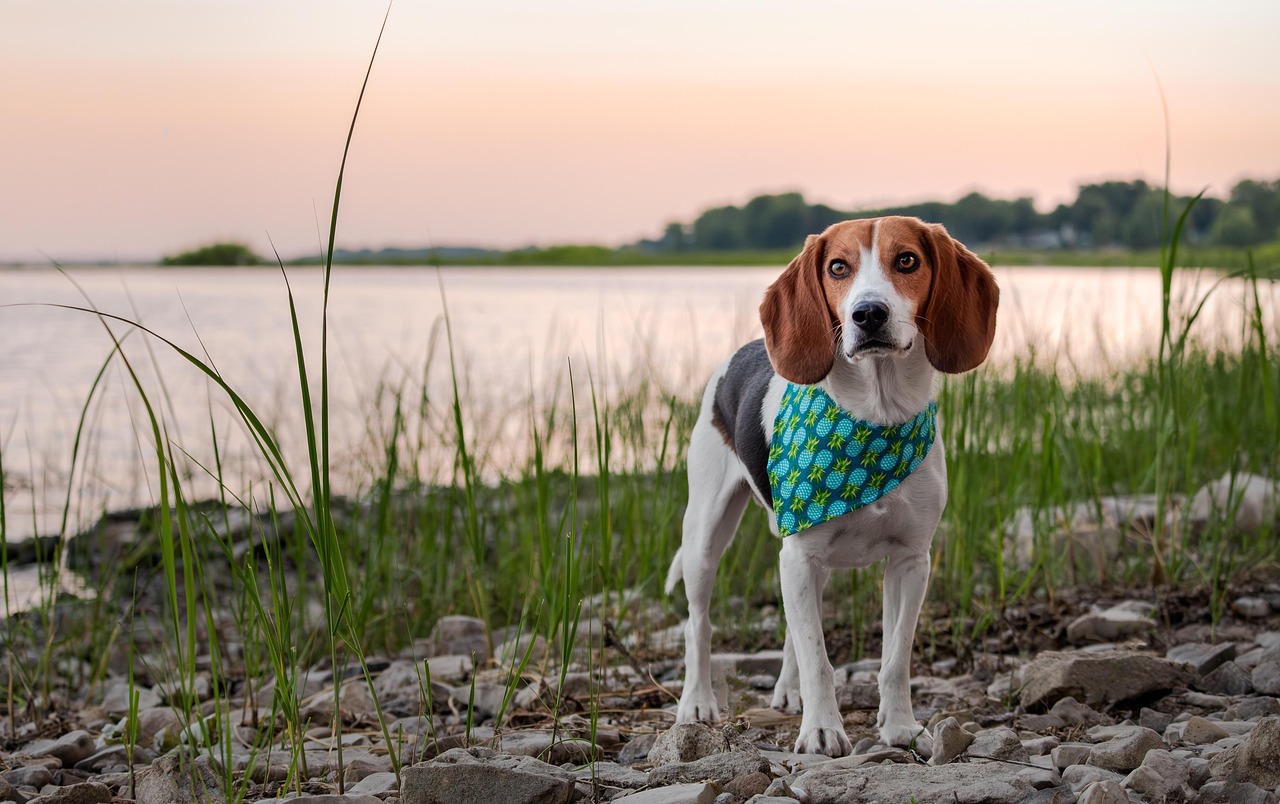

Using Clicker Training for Scent Detection Dogs
Often, scent detection dogs are trained for various purposes, such as search and rescue or detecting narcotics. Using clicker training is a highly effective method for training these dogs. Clicker training relies on positive reinforcement, which means that the dog associates the click sound with a reward. When the clicker is presented after desired behavior, the dog learns to repeat this action to receive more treats. Scent detection training typically begins with basic commands. Once the dog has mastered these, trainers can introduce scent-specific training. As dogs may vary in their grasp of scents, it’s crucial to progress gradually. Establishing a strong foundation first ensures that the dog can recognize different scents effectively. Clicker training can be adapted for specific scents, taking advantage of the dog’s natural abilities. Techniques can include hiding scents in various locations, encouraging the dog to use its nose actively. The mental stimulation provided by this training can enhance focus. Using a clicker allows for immediate feedback, making it clearer for the dog when it performs the task correctly. For successful training, consistency is key, as repeated practice helps solidify skills over time.
The clicker serves as a unique tool when training your scent detection dog. The sound of the clicker helps to bridge the gap between the action of the dog and the reward they will receive. Initially, the clicker is used when the dog performs any desired behavior, associating the sound with positive outcomes. As training progresses, it’s crucial to attach the click to more specific actions involving scent work. For instance, when your dog shows interest in a particular scent, a quick click followed by a treat encourages this behavior. The timing of the click is paramount; only use it when the dog performs the desired action. Therefore, having another individual to help can make the training process smoother, especially if it requires complex or simultaneous tasks. This method ensures that the dog becomes proficient in recognizing and sourcing scents. Gradually increase the difficulty of scent challenges to maintain the dog’s engagement. Vary scent sources by introducing different smells during training sessions. A range of scents can help generalize recognition, creating a versatile and keen working dog. As training focuses on fun, every session should be rewarding for the dog.
Steps to Implement Clicker Training
Implementing clicker training for scent detection can seem overwhelming at first. However, breaking down the process into manageable steps makes it easier for both the handler and the dog. Begin by ensuring that your clicker is readily available during training sessions. Remember, the click serves as immediate feedback, so consistency in timing is crucial. Start by familiarizing your dog with the clicker without any distractions. Make several clicks and reward the dog with treats to establish a positive association. Once your dog understands that the clicker means a reward is coming, incorporate it into scent training. When your dog identifies a scent, immediately click and provide a treat. This reinforcement encourages them to focus on the desired scent. Gradually increase the complexity of your training by hiding scents in various places. Maintaining an environment free of distractions helps facilitate learning. A well-focused dog is vital for effective scent detection work. To enhance problem-solving skills, invite your dog to search using multiple scents. Such exercises help build their confidence while ensuring they remain engaged and motivated throughout the training process.
Tracking your dog’s progress during scent detection training is essential to understanding their development and adjusting training methods. Keeping a detailed log of each training session can help identify patterns in your dog’s performance. Document successes and any challenges faced, so you can better gauge which methods are effective. Take note of how quickly your dog identifies specific scents and if they struggle with more complex tasks. Regular review of this information allows you to refine your training approach. Incorporate variety into your sessions; a mix of familiar and new scents keeps training fresh and interesting. Once your dog consistently identifies scents in simple scenarios, introduce distractions to increase their focus. With distractions, observe how well your dog maintains interest in the scent. Celebrating progress, regardless of size, is crucial for building confidence in your dog. Remember to give plenty of verbal encouragement during training sessions to create a positive atmosphere. By tracking their achievements, you create an engaging environment promoting growth. Ultimately, a balanced training regimen that includes both successes and learning opportunities will prepare your dog for scent detection in real-life situations.
Common Challenges in Clicker Training
Every dog is unique, and challenges may arise during the clicker training process. Recognizing these difficulties is the first step to overcome them. For example, some dogs may quickly lose interest, especially if they feel understimulated or overwhelmed. In such cases, it’s essential to monitor the workload and adjust accordingly. Consider adding shorter, more engaging sessions to re-spark interest. Also, be aware of excessive distractions in the environment that might hinder progress. A calm atmosphere promotes focus and learning. Furthermore, if the dog seems confused about what action leads to the reward, consider simplifying the training steps. Start from familiar ground and gradually introduce complexity. Patience is key as each dog learns at its own pace. Consistency in cues and rewards strengthens understanding. In case of regressions, return to basics to rebuild skills. All dogs have good and bad days, just like people. Encouraging perseverance and creating a supportive environment leads to further growth. Listening to your dog’s cues is critical to ensuring a successful journey through the clicker training process.
A great benefit of clicker training is that it promotes a strong bond between the dog and handler. This method values positive reinforcement, allowing for experiences that prioritize partnership and trust. Through enjoyable training processes, dogs may be more eager to learn and explore their environments. A dog taught with respect and positivity is more likely to exhibit this confidence in other areas of their lives. Providing ample opportunities for interaction and play before and after training will further reinforce this bond. Additionally, while benefits are noticeable in training, they extend far beyond just scent detection. Strong relationships with dogs lead to better responsiveness and teamwork in various activities over time. Allowing dogs the freedom to engage with their environments enhances their natural curiosity and exploration. Engaging in scent detection work together creates a strong rapport built on mutual respect. This connection makes scent detection tasks enjoyable for the dog. Moreover, the clicker method fosters a healthy communication channel between handler and dog. The excitement and positive feedback received leads to a well-adjusted detection dog, ready to tackle challenges alongside their partner.
Conclusion and Future of Scent Detection Training
Fontain the use of clicker training in scent detection dogs has made remarkable advancements due to its ability to reinforce desirable behaviors consistently. As more trainers adopt this method, further innovations will undoubtedly arise in training practices. The incorporation of technology, such as smartphone apps for tracking progress, can complement traditional training methods significantly. Also, future training programs may provide insight into scent detection’s psychological aspects, enhancing training techniques. With developing understanding regarding canine scent capabilities, the enthusiasm surrounding scent detection work is likely to grow. Handlers are encouraged to remain flexible and adapt training strategies based on their dog’s progress and requirements. Remaining open to advancements and new methodologies fosters growth within the field. Continuous education about scent detection will benefit both the trainer and dog, ensuring they stay at the forefront of effective training practices. The future promises to be bright for scent detection dogs, thanks to innovative training approaches. Ultimately, the implementation of clicker training leads to better detection capabilities and enriched lives for our canine companions.
Integrating various training methods will help to ensure that scent detection dogs remain effective and motivated in their work. The bond formed through training contributes greatly to their success. Through it all, enjoy the shared moments with your canine partner – these will shape not only their skills but also your lifelong relationship. Every training session presents opportunities for growth and connection. Enthusiastic engagement promotes a positive learning environment for dogs.