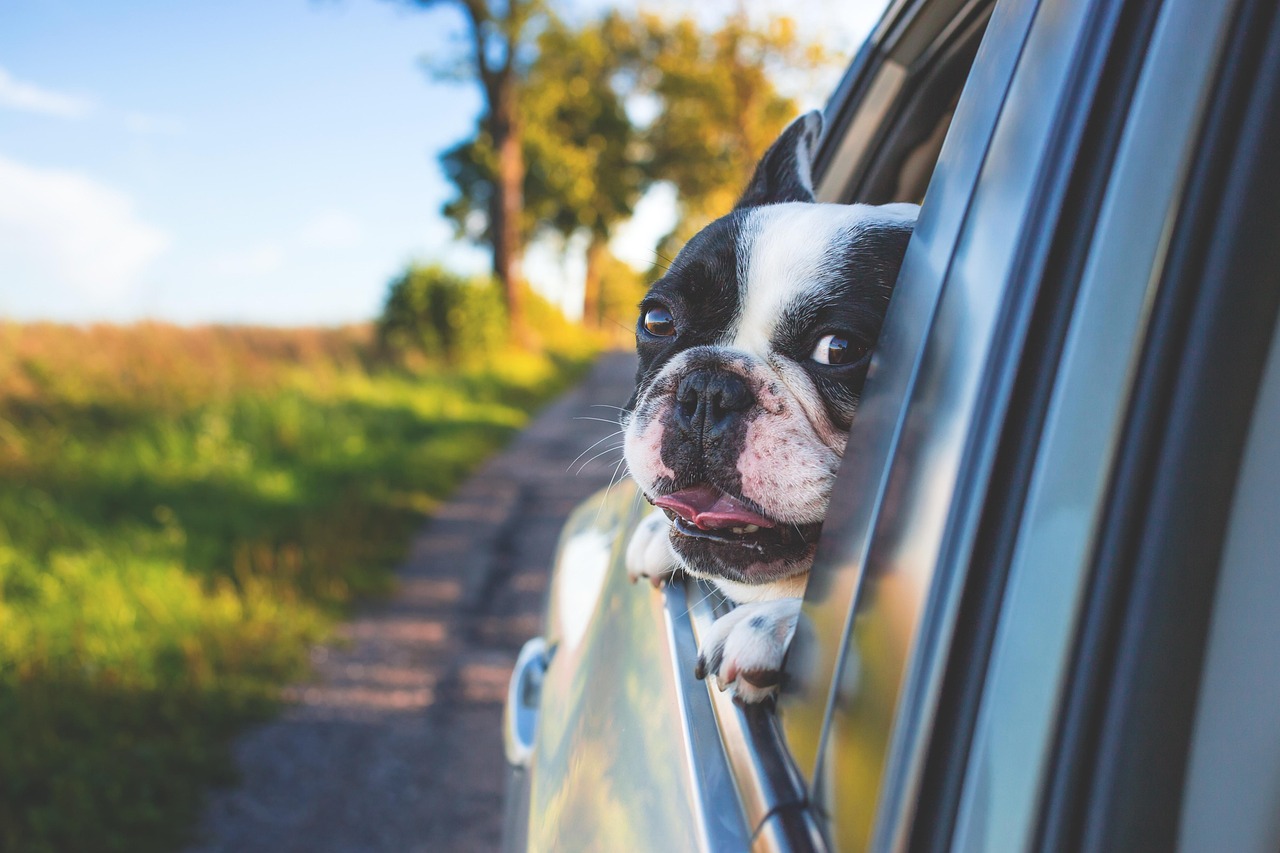

Understanding Rabies Vaccination Before Traveling with Your Dog
When planning to travel with your dog, understanding the necessary vaccinations is crucial, particularly the rabies vaccination. Vaccinating your dog against rabies is not only a legal requirement in many places, but it’s also vital for your dog’s health. Rabies is a deadly virus that can be transmitted through bites and scratches from infected animals. This immunization typically must be administered at least 21 days before international travel or certain domestic travel, ensuring your canine companion is adequately protected. Each country has its own regulations regarding the rabies vaccination status of dogs, making it essential to check requirements in advance. Many destinations require a Certificate of Vaccination, so carrying this documentation is necessary. In cases where a dog is unvaccinated or the vaccination is not current, it may result in quarantine or a denial of entry. Furthermore, rabies vaccines are very effective, and keeping up to date can prevent potential health risks while traveling abroad.
Different airlines and travel authorities may have specific requirements regarding rabies vaccinations. For instance, some airlines want proof of vaccination before allowing dogs to board, while others may not allow unvaccinated pets. Ideally, an official rabies certificate should accompany your dog when traveling, indicating the vaccination date and the veterinarian’s approvals. Ensure that your dog has received a rabies vaccine as per the recommended schedule, which generally starts when they are around 12 weeks old. After this, timing of subsequent doses is crucial; some vaccines require boosters every one to three years. Always consult your veterinarian regarding the appropriate vaccination time frame and any updates on the latest guidelines. It is equally vital to ensure your dog’s microchip information is updated in case of loss or separation during travel. Explore veterinary services in destination countries in case of health emergencies, making your travel safe and pleasant.
Understanding Vaccination Regulations for Travel
Different regions and countries have varying rules about dog travel and vaccination requirements. For instance, countries within the European Union often allow easier travel across borders for vaccinated pets, while other nations might have stricter regulations. It’s important to research the specific vaccination rules for your destination. Always reach out to local authorities or embassies to gain insight into those laws, which may differ for categories like short-term and long-term stays. Some destinations may require additional vaccinations besides rabies, such as distemper or leptospirosis. Compliance with these regulations not only facilitates smooth travel but also ensures the health of your dog. When traveling internationally, consult with your veterinarian, and possibly even a pet travel agency, to ensure adherence to all vaccination requirements while preparing your travel itinerary. Moreover, prepare a travel kit that includes rabies vaccination documentation, health certificates, and lined crates for a safe journey. Stay updated with any changes in regulations as they can occur depending on health outbreaks.
Strategies for Ensuring Your Dog’s Health During Travel
Keeping your dog healthy while on the move requires strategic planning before your journey begins. Begin with a thorough checkup with your veterinarian. Discuss the destinations and whether your dog requires additional vaccinations or preventative treatments based on local health risks. For ease of travel, practice acclimatizing your dog to the travel crate as soon as possible. Regular breaks during long drives are vital, allowing your dog to relieve itself and stretch. Make sure to pack enough water and familiar food to avoid stomach issues, and never feed your dog right before traveling. Each pet responds differently to travel, some may experience anxiety or illnesses while in transit, so speak to your veterinarian about possible medications to help with anxiety or nausea. Additionally, plan to stay in pet-friendly accommodations that provide a secure environment. Creating a travel plan that includes emergency contacts and local vet resources at your destination further enhances safety and preparedness during your trip.
Moreover, keeping your dog comfortable and less stressed during travel also involves bringing familiar items, such as favorite toys or blankets. This familiarity can provide significant comfort in an unfamiliar environment. If traveling by air, research the airline’s pet policies thoroughly, noting cargo versus cabin arrangements to minimize stress levels. Evaluate the time of year for travel, considering seasonal weather changes that may affect your dog’s well-being. For example, ensuring your dog isn’t exposed to extreme heat or cold is crucial. Always keep your dog secured with a harness or leash when on walks in unfamiliar areas. Observe your dog closely for any signs of distress, and be prepared to make necessary adjustments during travel. Learn to recognize symptoms of heat stroke or anxiety levels. Engaging in regular walks or play sessions during rest stops aids in keeping your dog happy and entertained. Lastly, consider connecting with fellow travelers for advice and tips on traveling with pets, as shared experiences can often provide valuable insights.
Post-Travel Health Considerations
After your trip, maintain vigilance regarding your dog’s health, as unexpected symptoms may arise. Some dogs may show signs of illness like gastrointestinal disturbances or fatigue following travel. Always monitor their behavior for the first few days after returning home. Consult your veterinarian if any unusual behaviors persist, such as lethargy, poor appetite, or unusual potty habits. Your vet may recommend a wellness check-up, especially for longer trips or visits to areas with prevalent diseases. Flea, tick, or heartworm preventative treatments should also be evaluated post-travel, as these pests may be present in new environments. By ensuring your dog receives regular vaccines and preventative care, you can effectively mitigate any risks associated with travel. Keeping health records updated is essential for future reference and travel needs. Create a safe and pleasant experience during your travels by prioritizing your dog’s health and well-being, helping them to remain happy and secure post-vacation.
In summary, understanding the importance of rabies vaccination and compliance with varied travel regulations is essential for any dog owner planning to travel. To ensure a stress-free experience, start preparations early, consulting your veterinarian about vaccinations and any necessary health documentation. Understanding the intricacies of traveling with a pet greatly improve your overall trip experience. Accustom your dog to the travel process through positive reinforcement, ensuring they feel secure at all times. Moreover, keeping meticulous records about vaccinations and health guarantees peace of mind. Constructing a detailed travel plan and prioritizing safety measures provides a framework for enjoyable travels together. Thus, proper planning plays a vital role. With the right approach, your adventure will be memorable, paving the way for future travels with your beloved dog!
In addition, consider joining local pet travel forums or discussion boards; fellow dog lovers often share tips and updates on pet travel regulations that can be incredibly useful. Learning about and preparing for your dog’s health needs against diseases that are common in your travel destinations is also an important part of the equation. Additionally, remember to take breaks as necessary during your longer trips, allowing your dog to relax and explore a bit. From fresh water to snacks to favorite toys, ensure that you have all essentials ready at hand to make travel enjoyable for your furry friend. The key to having a safe and hassle-free journey with your dog lies in being prepared and informed. Always maintain a positive attitude throughout the traveling experience, and enjoy each moment with your pet. Ultimately, these adventures contribute to strengthening the bond between you and your dog, and crafting memories that will last a lifetime.