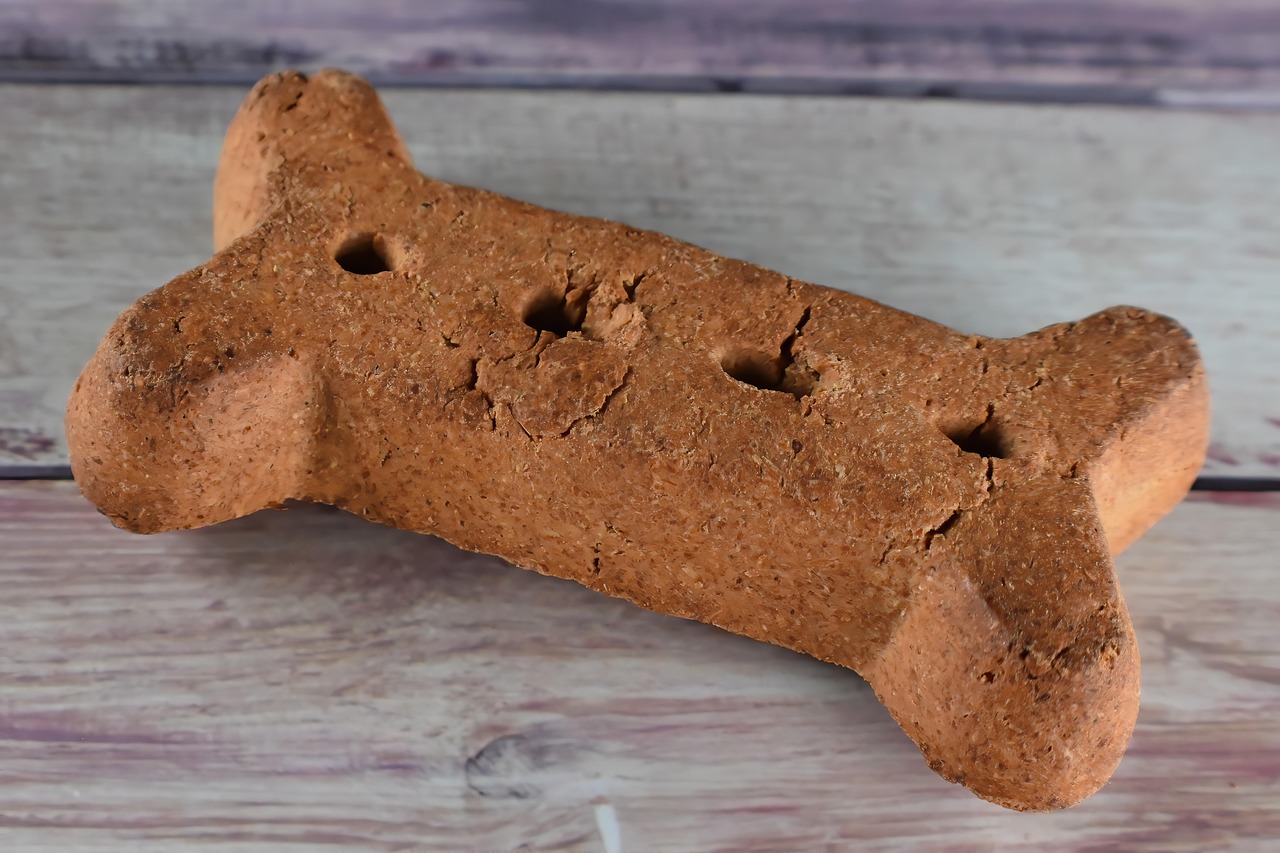

How to Choose the Best Treats for Your Dog’s Training Sessions
Choosing the right treats for dog training is crucial for effective learning. The treats need to be appealing and rewarding enough to motivate your dog. To begin with, consider the size of the treats; small, bite-sized pieces are ideal. Your dog should be able to consume them quickly without losing focus on the task. Additionally, opt for high-value treats that your dog loves more than their regular food. This could mean opting for chicken, cheese, or fish-based treats since they are often irresistible to dogs. It’s also important to consider your dog’s dietary restrictions. Some dogs may have allergies or sensitivities, so read ingredient labels carefully. The training session should be a fun and enjoyable experience for both you and your dog, so make sure to select treats that contribute positively to this atmosphere. Another important tip is to keep the treats fresh. Stale or old treats may not have the desired effect. Lastly, you can vary the treats used during different sessions to keep your dog interested and excited as training progresses.
Types of Treats for Training
When it comes to choosing treats for dog training, various types work well. Consider soft treats, which are easier to chew and digest, making them perfect during training. Some dogs may prefer crunchy treats, as they can provide a satisfying crunch that appeals to them. Additionally, dehydrated treats and liver treats are popular choices, offering a strong scent and tasty flavor that dogs adore. With the variety available, remember to experiment to find what your dog enjoys most. You can also consider healthy options that are low in calories, ensuring your dog maintains a good weight during training. It’s crucial not to use too many high-calorie treats, or the reward system may backfire by causing weight issues. Instead, focus on smaller portions and reward frequently to keep your dog engaged. Making homemade treats is also a great choice, as it allows you to control the ingredients and tailor flavors to your dog’s preferences. With careful selection, your chosen treats can significantly improve training efficiency and dog motivation.
Additionally, utilizing the right timing when delivering treats during training sessions can enhance effectiveness. Practicing positive reinforcement is vital; rewarding your dog immediately after they perform the desired behavior allows them to make a clear connection. The quicker the treat is given, the better your dog understands the link between their action and the reward. To maximize impact, keep the training sessions short and focused, ideally between 5-10 minutes. This prevents your dog from becoming bored or distracted. Frequent, short sessions often yield better results than longer ones. Remember, it’s essential to remain patient and consistent throughout the training process. Giving your dog time to learn will pay off eventually. Ensure to celebrate small milestones and acknowledge good behavior beyond just treats. Verbal praise, listeners, and playtime can serve as alternate rewards that also excite your dog. Allow for playtime breaks in between training to reinforce that learning is a fun activity. When the session is complete, always end on a positive note, so your dog associates training with a joyful experience. This will build enthusiasm for future sessions.
Adjusting Treats According to Training Progress
As your dog progresses in their training, it can be beneficial to adjust the treats you use. Initially, offer high-value treats for new commands or skills your dog struggles with. These tasty rewards can help motivate them to focus and learn. However, as your dog becomes more proficient in their training, consider transitioning to lower-value treats for commands they consistently respond to. This helps in teaching them that good behavior is expected and will not always come with an extravagant reward. Monitoring your dog’s interest in treats is also crucial, as what excites them may change over time. Keeping training exciting is essential, so be open to changing treats when you notice a decline in enthusiasm. You may also want to incorporate a variety of rewards throughout your sessions, mixing treats with verbal praise or even toys as a form of emotional engagement. Every positive interaction keeps your dog interested in learning. Ultimately, the goal is to foster a relationship built on trust, respect, and love while developing your dog’s obedience and skills.
Storing your treats properly extends their freshness, ensuring your dog remains eager for training sessions. Treats should be stored in airtight containers away from sunlight and moisture, which can degrade flavors over time. Some treats can even be frozen for longer storage. With homemade treats, refrigerating them helps maintain freshness while enabling longer shelf life. Check your treats’ expiration dates regularly; using expired treats may negatively impact your dog’s health. Additionally, remember to keep different types of rewards accessible so you can grab the best one based on the current training focus. Having a variety of treats allows you to modify rewards based on your dog’s motivation. A treat pouch is an excellent investment, making it hassle-free to carry multiple types of treats while training outside or during walks. They also come with easy-access features, thus enabling you to reward your dog immediately. The less time you take to access your treats, the better the experience will be for both you and your dog. A well-prepared approach to treat storage and selection enhances training efficiency significantly.
Why Natural Treats Are Beneficial
Natural treats, often made from whole foods or organic ingredients, provide countless benefits for your dog. They promote health and well-being, as they typically lack artificial additives and preservatives that can harm dogs over time. Opting for natural treats can also help support your dog’s digestive system, especially when these treats include fiber-rich ingredients. This leads to better overall health, leaving your dog more energetic and ready to learn. When choosing natural treats, look for options that list whole food ingredients and minimal processing. Additionally, these treats come in a variety of flavors, making it easier to find something your dog loves. You might even consider sourcing ingredients locally or making homemade natural treats. Utilized together with training techniques, these treats can lead to a solid positive reinforcement program. In addition, natural treats often provide a delightful aroma that can help capture your dog’s attention during training. Ultimately, choosing healthy, natural options reinforces training while promoting physical health and supporting your dog’s well-being in their everyday lives.
Alongside these tips, remember that consistency is key when using treats for training. Ensure that your family members or anyone involved in training practices the same approach to avoid confusing your dog. This unified training method helps your dog understand expectations clearly. If one person allows certain behaviors while another does not, it can lead to frustration for the dog. Clear communication and consistency in rewarding positive behaviors foster a well-rounded learning experience. Furthermore, the level of distraction in the training environment can also affect how your dog responds to treats. Training in a diverse range of interesting settings exposes your dog to various stimuli. Over time, it will teach them to maintain focus despite distractions. Tailoring the treats’ value according to the environment is smart; in more distracting locations, higher-value treats may mean more to your dog. Adapting both your approach to training and the type and delivery of treats ensures your sessions yield positive outcomes. All of these factors combined will undoubtedly lead to a stronger bond between you and your dog.