
How Stress Affects Grooming in Cats
Grooming behaviors are essential for cats, as they maintain coat cleanliness, reduce stress, and regulate body temperature. However, stress can significantly disrupt these important habits. When a cat feels stressed, it may exhibit changes in grooming behavior, leading to health issues. Elevated stress levels can be caused by various factors such as environmental changes, new pets, loud noises, or even changes in routine. Understanding these triggers is crucial for cat owners. An unkempt coat may indicate an underlying problem, necessitating early intervention. When cats stop grooming, they may develop mats and skin irritations. Additionally, over-grooming can often indicate anxiety or obstructions in the environment. Identifying the signs of stress in cats can be challenging but is necessary for promoting healthy grooming. Owners should make observations of their cat’s behavior, such as hiding or aggression. Ensuring a stable environment can help alleviate stress and promote proper grooming. If grooming issues persist, consulting a veterinarian or a feline behaviorist can give necessary guidance. Addressing stress and its impact on grooming behavior can lead to a happier, healthier life for your cat.
Understanding Stress in Cats
Cats experience stress similarly to humans, manifesting in various ways. They may withdraw, vocalize excessively, or exhibit aggressive tendencies. Recognizing these stress indicators is essential for cat owners. Stress can stem from environmental changes, such as moving to a new home or the introduction of new pets. Cats thrive on routine, and any disruption can lead to anxiety. Additionally, factors such as overcrowding or territorial disputes can also trigger stress responses. It is essential to monitor your cat’s behavior closely during such changes. When cats are stressed, their grooming habits can change dramatically. They may either groom too much or not at all, both of which can lead to health problems. Over-grooming often leads to skin injuries, while under-grooming can lead to fur matting and hairballs. To help combat stress, owners can implement calming strategies such as creating safe spaces, providing engaging toys, or using pheromone diffusers to soothe anxious cats. Consulting a veterinary professional can provide further insight into your cat’s unique stressors and how to alleviate them. Understanding your cat’s stress is crucial for their overall well-being and grooming health.
Grooming is not only crucial for cleanliness but also has emotional benefits, including stress relief. Cats groom themselves for several reasons, including bonding and self-soothing. However, when they become stressed, this behavior may wane or change dramatically. Cats may stop grooming altogether or, conversely, may groom excessively as a means of coping with their anxiety. This drastic change can lead to significant health problems if not addressed. Groomers report that stressed cats often have problems with matted fur or irritated skin. They may pull out their hair or create bald patches that are unsightly and uncomfortable. Furthermore, stress-induced changes in grooming behavior can also lead to digestive issues, caused by hairballs formed from excessive grooming. By paying attention to their grooming habits, owners can identify stress levels and make necessary adjustments. Long-term stress management solutions include creating a stable environment, offering enrichment activities, and providing routine veterinary check-ups. All these factors combined will work to prevent health problems associated with grooming issues. Being proactive about your cat’s health will make a huge difference in their grooming behavior and overall happiness.
One helpful technique to recognize stress in your cat is to observe their normal grooming patterns closely. When a cat is healthy and comfortable, they will groom themselves regularly, promoting healthy coat maintenance. However, when stress becomes a factor, these grooming behaviors may decrease or disappear entirely for extended periods. Conversely, increased grooming attempts can indicate elevated stress levels. Owners should learn to identify these behavioral changes and remember their cat’s normal habits. Regular routines, including feeding and playtime, help mitigate stress levels in felines. Understanding your cat’s grooming signals can offer insight into their emotional state. Changes might also correlate with external factors such as litter box cleanliness or the presence of unfamiliar pets. Providing a safe, calm environment is essential for encouraging healthy habits. Moreover, providing enriching experiences through toys and scratching posts can be beneficial. If stress persists despite implementing various strategies, consulting with a professional can offer additional support. Tailoring specific solutions based on individual dog behavior can improve grooming habits and overall health. Maintaining open communication with your cat through observation allows for a thriving, healthy future for them.
Creating a Calming Environment
A calming environment is critical in alleviating stress and promoting optimal grooming behavior in your cat. Creating a safe space can include utilizing cozy hiding spots, relaxing music, or pheromone diffusers that help bring peace to an anxious feline. Cats appreciate personal spaces where they can retreat when they feel overwhelmed. An adequate number of litter boxes and scratching posts also contributes to a stress-free environment. The location of these items is crucial; ensure they are in quiet, accessible areas. Providing vertical space, such as cat trees or shelves, allows cats to observe their surroundings comfortably. This elevated perspective often contributes to reduced stress levels. Social interaction also plays a significant role; spending quality time with your cat increases their emotional stability and provides opportunities for play. Establishing a daily routine fosters predictability, further helping your cat feel secure and grounded. Introducing new pets or changing their living spaces can invite unnecessary stress. Gradually acclimating your cat to changes will ease potential anxiety. Creating a calming environment promotes not only better grooming behavior but also encourages overall well-being and happiness.
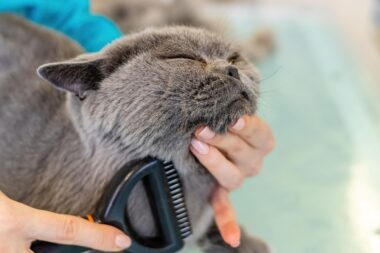
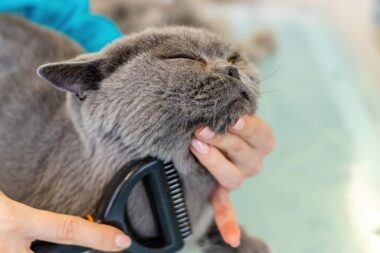
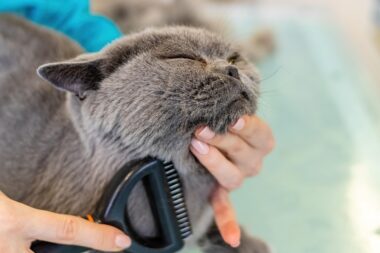
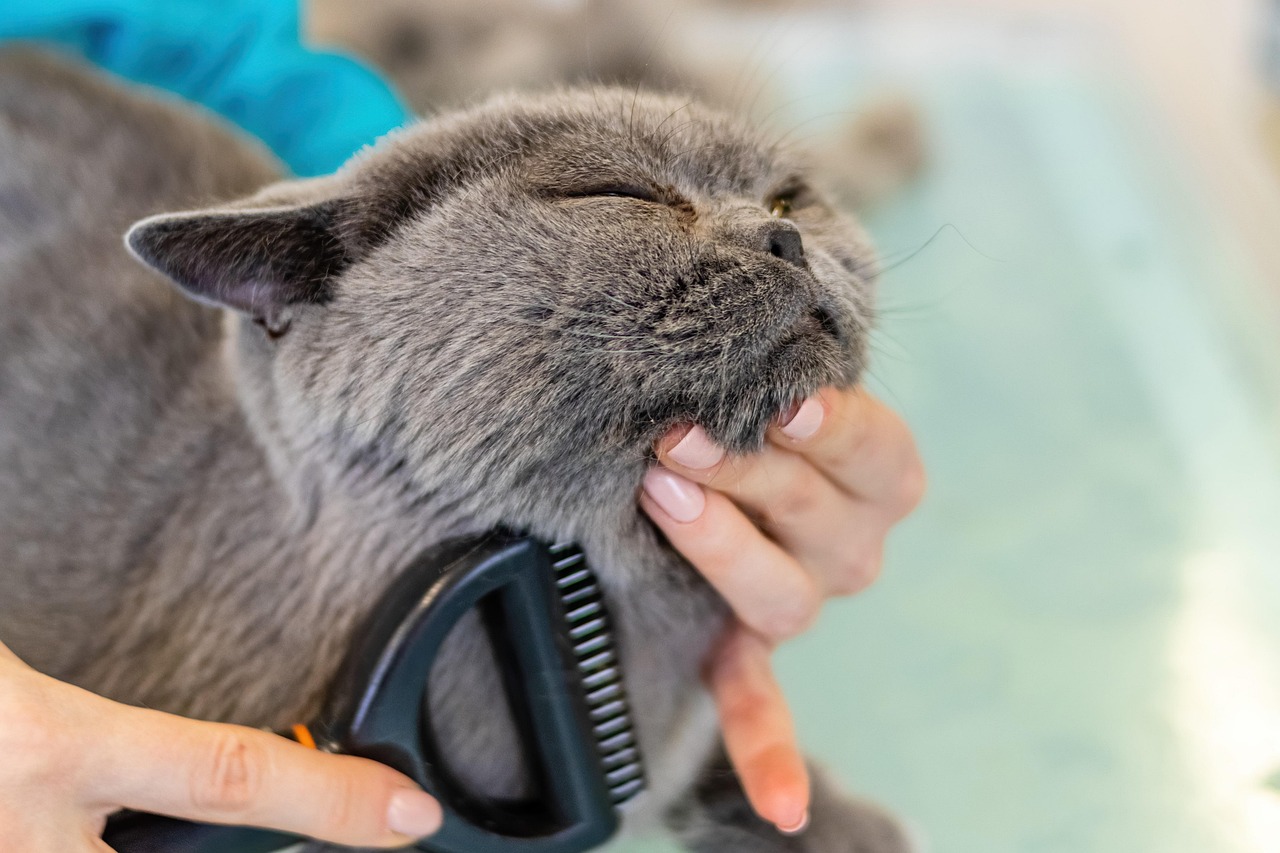
The right grooming tools can help facilitate soothing grooming sessions while enhancing your cat’s comfort and reducing stress. Selecting brushes that are gentle on the skin and appropriate for their fur type is essential. Regular grooming sessions will help avoid mats and tangles, encouraging your cat to feel comfortable in their own skin. Consider investing in high-quality grooming tools designed specifically for cats, as these can make the grooming experience more enjoyable. Introducing a grooming session immediately after a play session or during cuddle time can associate grooming with positive experiences. Using treats or praise throughout the process can help your cat feel more at ease. However, avoid forcing grooming sessions, as this may lead to increased anxiety. Establish a relaxed atmosphere by playing soft music or using calming scents during the grooming process. If your cat is particularly sensitive, limit grooming sessions in duration to avoid overwhelming them. Patience and gentleness go a long way toward improving your cat’s perception of grooming. By fostering trust, you encourage your cat to remain calm and engaged during grooming sessions, ultimately enhancing their grooming experience overall.
Conclusion: Prevention is Key
Preventing stress-induced grooming issues is essential for the well-being of your cat. The earlier you can identify potential stressors, the better you can manage them. Ensuring proper routine care, including regular vet check-ups, can also help identify health issues that may contribute to grooming behavior changes. Attention to your cat’s overall emotional health is key; monitor behavioral changes and take action whenever necessary. Introducing stress-relief strategies early on can significantly improve their grooming habits and emotional resilience. Awareness of environmental factors, fluctuating routines, and social dynamics can contribute substantially to your cat’s mental well-being. Additionally, avoiding sudden changes in their living conditions, providing safe spaces, and routine activities can make a substantial difference. Creating a soothing and safe environment is paramount in enhancing positive grooming behavior. Focus on building trust and familiarity with your cat’s routine to relieve anxiety and improve grooming habits. Your efforts in managing stress will lead to a much healthier and happier feline companion. Keeping an open line of communication with your veterinarian ensures you’re both equipped to tackle any potential issues confronting your cat, maintaining a harmonious rich life together.