
Editing Tips to Enhance Creative Cat Photography
When capturing cat photography, the editing process can significantly enhance your final images. The first step is to consider the basic adjustments that can make your photos pop. Begin by adjusting the exposure and contrast to ensure your cat’s features are well-defined. Using software like Adobe Lightroom or Photoshop can streamline this process. Next, pay attention to the colors. Increasing saturation can often make your cat’s fur appear more vibrant, while tweaking white balance ensures the colors reflect reality.
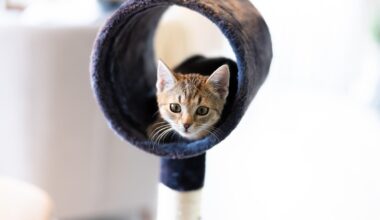
Crop your images as necessary to improve composition. A well-composed photo centers the viewer’s attention on your cat. Experimenting with different aspect ratios can lead to fresh perspectives. For high dynamic range images, merging multiple exposures can result in stunning effects. Moreover, utilizing the sharpening tools available can enhance the details in your cat’s fur or eyes. Always remember to keep a balance; too much sharpening can create an unnatural look.
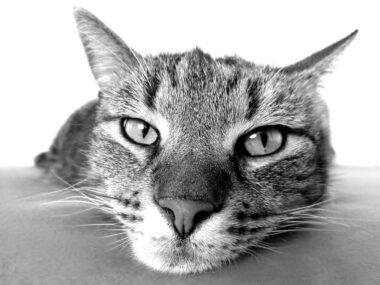
Adding filters or overlays can contribute an artistic flair to your cat photography. Consider using black and white filters for a classic touch, or vintage-style overlays for nostalgic feelings. Overlaying textures, like paper or fabric, can add depth and character to your images. You can find numerous textures on platforms like Unsplash and Pixabay which you can incorporate into your edits seamlessly. Just remember that less is often more, particularly in a whimsical cat photo.
Enhancing Focus and Depth of Field
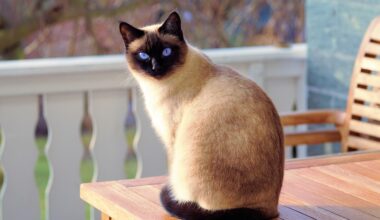
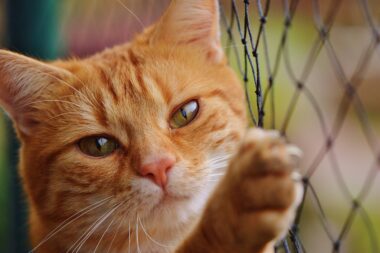
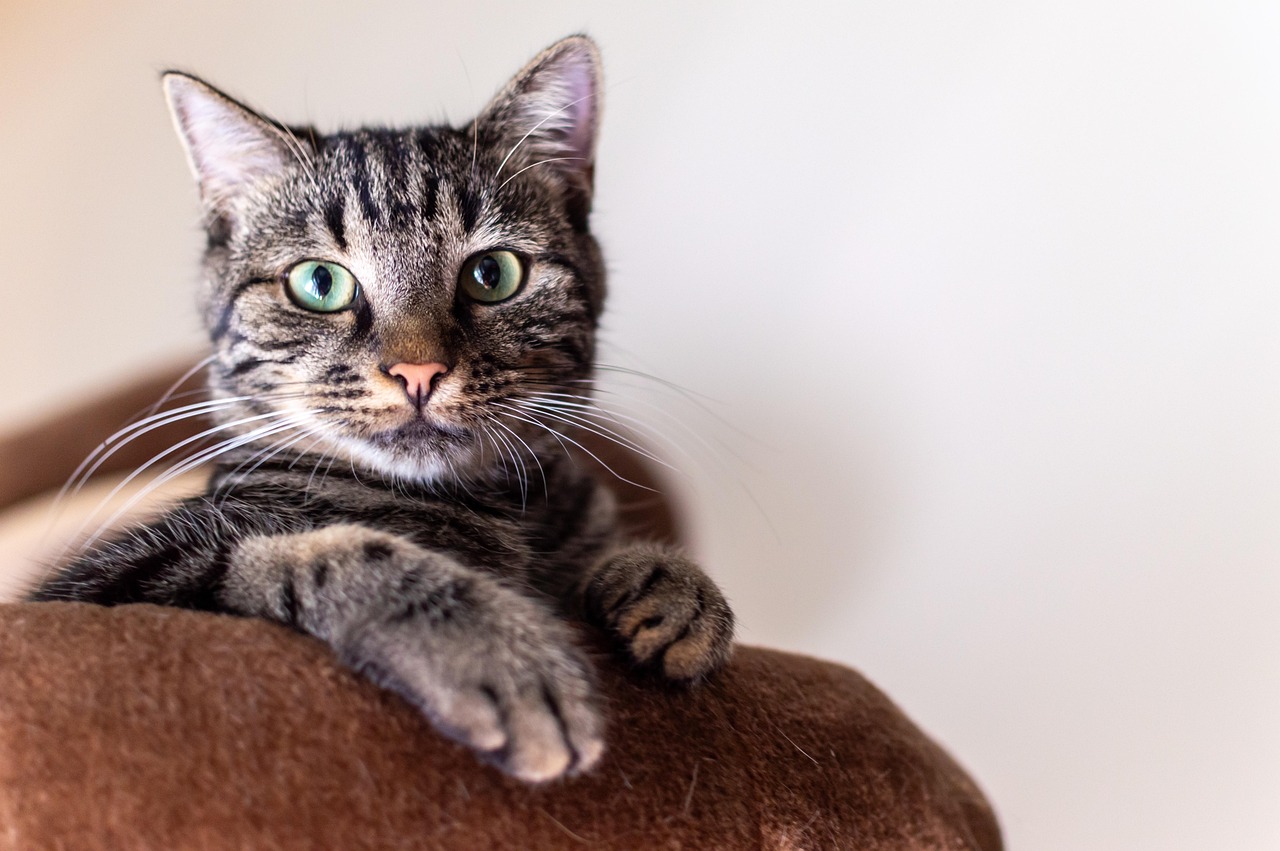
One important technique in creative cat photography is adjusting the focus and depth of field in your images. Use selective focus to draw attention to your cat’s expressions, creating a beautiful bokeh effect in the background. This works particularly well with outdoor shots where natural light illuminates your subject. Utilizing a wide aperture setting can enhance this effect, creating that dreamy background while keeping your cat’s face sharp and detailed.
Experimenting with lens corrections is vital for maintaining a natural look. In some cases, your camera might capture distortion due to the lens used. Most editing software offers lens correction filters that can automatically rectify this issue. Additionally, removing chromatic aberrations can drastically improve image quality. They manifest as color fringing around edges of objects in your photos, distracting from your cat’s adorable details.
Adding visual storytelling elements can enhance emotional connectivity within your cat photography. You can incorporate props or backgrounds that represent your cat’s personality. Editing in elements like toys or natural surroundings can create a narrative within your photo. Further, using text overlays can amplify emotions. However, choose fonts and placements wisely to maintain the overall aesthetic of your image without overwhelming the viewer.
Finalizing Your Edit
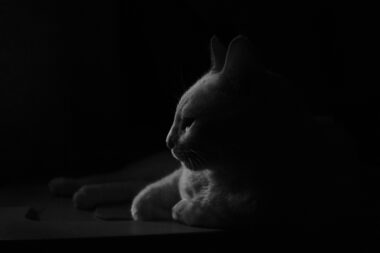
After making all the necessary adjustments, it’s time to finalize your edits. Pay attention to any last-minute adjustments to shadows and highlights to ensure they are harmonized. Additionally, applying a final color grade can help unify the tones across multiple images if you’re creating a series. Be sure to save different versions of your final images in formats suitable for various platforms, considering resolution for prints and web uploads.
Lastly, always share your cat photography with careful consideration of your audience. Utilizing social media can help showcase your creative talent while connecting with fellow cat lovers. Use appropriate hashtags to reach a wider audience, and consider creating captions that tell your story. By following these editing tips, you can ensure that your cat photography not only captures the essence of your feline companions but also reflects your unique creative vision. Happy editing!