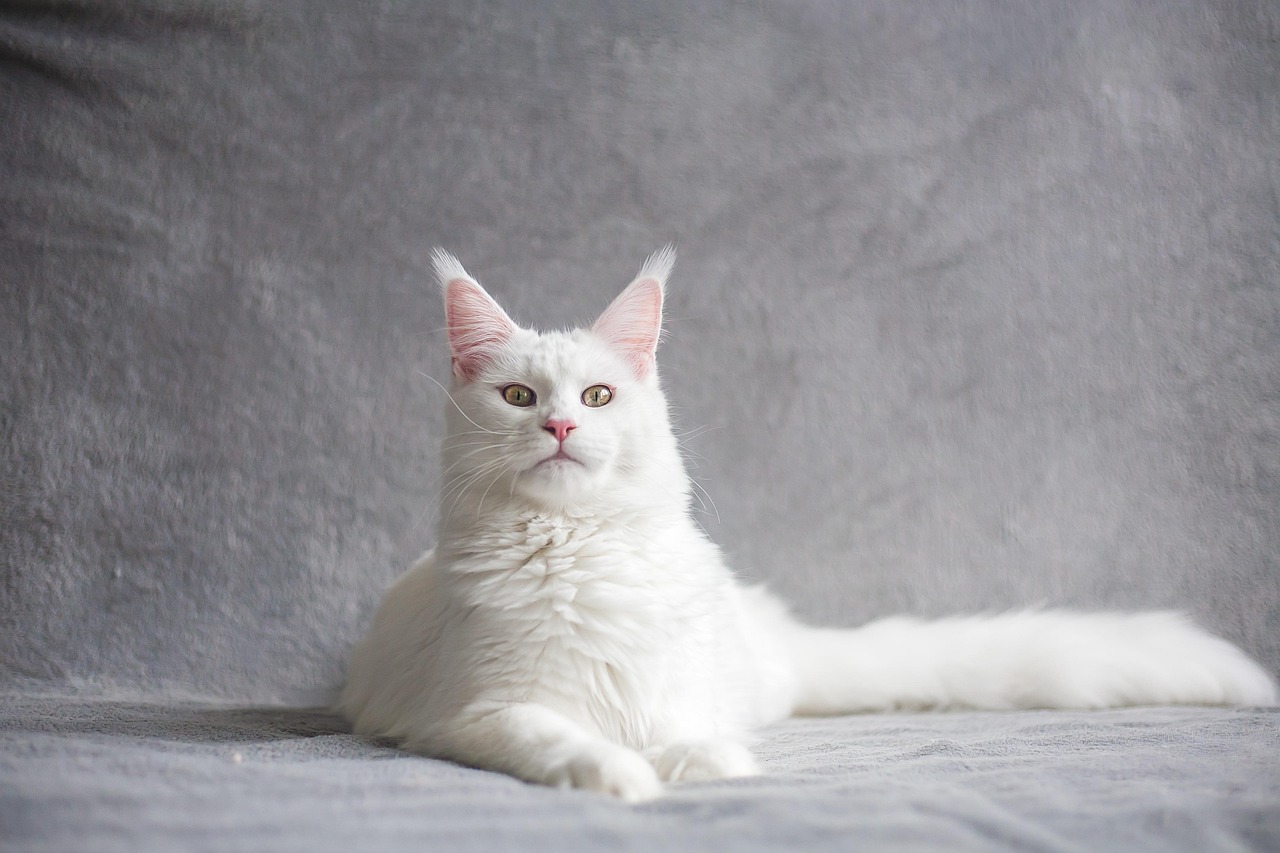

How to Care for Your Maine Coon Cat: A Complete Guide
Caring for your Maine Coon cat can be a rewarding experience, as these gentle giants require not only love but also proper care to thrive. Known for their large size and friendly disposition, Maine Coons are one of the most popular breeds. To ensure your Maine Coon remains healthy, focus on regular veterinary visits, a balanced diet, and plenty of exercise options. Maine Coons tend to be quite playful and energetic, thus providing interactive toys can keep them engaged. Grooming is another essential part of their care due to their long, thick fur; brushing a couple of times a week helps to prevent matting and reduce shedding. Pay attention to their ear hygiene as well, cleaning them as needed to prevent infections. Quality litter box maintenance is crucial too, as Maine Coons can be picky about cleanliness. Regularly check their litter box and keep it fresh. Lastly, socializing is vital — ensure they have interactions with you and other pets in your household. Overall, understanding their unique needs can lead to a happy and fulfilling relationship.
Feeding your Maine Coon is a pivotal aspect of their care. These cats have specific dietary requirements that make it crucial to select the proper food. The best diet for Maine Coons consists of high-quality protein sources and tends to be higher in fat compared to that of other breeds. Look for cat food that lists meat as the primary ingredient. Additionally, you can consult your veterinarian for tailored feeding advice based on your cat’s age, weight, and health status. It’s important to split their meals into several smaller servings throughout the day to help maintain an ideal weight. Hydration is equally important; ensure fresh water is always available. Keep an eye on your Maine Coon’s weight and adjust their food portions as necessary to prevent obesity, a common issue in this breed. If they seem to be gaining weight excessively, consider switching to a weight management formula. Treats should be given sparingly, choosing healthy options. You can even provide some cooked meat as a special treat, but always avoid toxic foods. Proper nutrition fosters a long, happy life for your Maine Coon.
Grooming Your Maine Coon
Grooming your Maine Coon effectively not only enhances their appearance but also ensures their health. Due to their thick, water-repellent fur, these cats require regular grooming. It’s recommended to brush your Maine Coon at least twice a week, if not more frequently. This helps prevent matting and tangles, especially in areas like their belly, around the ears, and behind the legs. Use a high-quality brush designed for long-haired cats, such as a slicker brush or wide-toothed comb. During shedding season, which often occurs in spring and fall, you may want to increase brushing frequency. Bathing is usually not necessary, but if your Maine Coon gets particularly dirty or begins to smell, a gentle bath can be beneficial. Nail trimming and ear cleaning should not be overlooked; check their nails every few weeks, and trim them as needed. Also, keep in mind that cleaning their ears can help prevent infections — gently wipe the outer ear with a cotton ball. Enjoy the grooming process as a bonding time; many Maine Coons appreciate the attention and affection.
Providing a suitable living environment for your Maine Coon is crucial. As one of the largest domesticated cat breeds, they need adequate space to roam and play. Maine Coons thrive in homes where they can explore and be stimulated. Consider setting up vertical spaces, such as cat trees or shelves, that allow them to climb and observe their territory. This is not only beneficial for their physical health but also stimulates their mental well-being. Maine Coons also enjoy having access to various perches and cozy hiding spots where they can cuddle up and rest. Ensure that the environment is safe by removing potential hazards such as toxic plants, chemicals, or small objects they might ingest. Regularly check your home for any dangers and ensure windows and balconies are secure to prevent escapes and accidents. When introducing them to other pets, do so gradually, allowing them to use their natural curiosity to adjust. Maine Coons are generally social, getting along well with other cats and dogs, so monitor their interactions to foster friendships. The right environment ultimately contributes significantly to their overall happiness.
Physical Activity and Playtime
Regular physical activity is essential for Maine Coons to maintain a healthy weight and good muscle tone. Being active supports their overall well-being and helps prevent boredom, which can lead to undesirable behavior. Engage your Maine Coon through interactive play sessions using toys, such as feather wands, balls, or laser pointers. These can satisfy their hunting instincts and help develop coordination and agility. Aim for at least 20 to 30 minutes of playtime each day. Additionally, incorporating puzzle toys that dispense treats can stimulate their minds. Maine Coons are highly intelligent; thus, enrichment activities can keep them entertained for long periods. You can rotate their toys regularly to keep things fresh and exciting. Furthermore, consider providing your Maine Coon with opportunities for outdoor exploration. Some cat owners opt for leash training or building a catio. These activities offer your Maine Coon fresh air and environmental stimulation while keeping them safe from potential dangers. Keeping them active not only fosters a healthier lifestyle but also strengthens the bond between you and your feline friend.
Monitor your Maine Coon’s health closely for any changes. Regular vet check-ups are essential to catch potential health issues early. Your veterinarian will guide vaccinations, preventive care measures, and regular screenings that might be necessary. Maine Coons are prone to specific health issues, including hypertrophic cardiomyopathy (HCM), hip dysplasia, and certain genetic conditions. Ensuring you adopt healthy breeding practices by sourcing your cat from reputable breeders can mitigate some health risks. Weight management is also vital; obesity can lead to a host of health problems. Always stay observant of your cat’s behavior and appetite, noting any dramatic changes. Additionally, dental health is a key component; consider incorporating dental treats or regular tooth brushing to prevent gum disease. Maintaining their overall well-being ensures a long and happy life. Be proactive about any concerning signs such as lethargy, vomiting, or drastic weight changes; contact your vet immediately if noticed. Your attention to their health will undoubtedly yield rewarding relationships filled with years of joy and companionship, emphasizing their remarkable characteristics as an endearing and intelligent breed.
Understanding Behavioral Traits
Understanding the behavioral traits of Maine Coons is key to fostering a harmonious household. Known for their playful and affectionate nature, these cats often exhibit dog-like tendencies, enjoying companionship and interaction with their human families. Maine Coons typically form strong bonds with their owners, and they tend to follow you around the house, wanting to be involved in daily activities. This sociability makes them wonderful family pets. They are generally good with children and often tolerant of other animals, making them adaptable to various living situations. However, it’s essential to stimulate their minds; boredom can lead to destructive behaviors. Provide various entertaining activities and interactive toys to keep them engaged. Maine Coons may also have distinctive vocalizations, often chirping or trilling rather than just meowing, communicating their feelings effectively. When pleased, they might engage in gentle kneading, displaying comfort and contentment. Always respect their boundaries and provide a safe space where they can retreat when feeling overwhelmed. By understanding their unique behavior, you can enhance your Maine Coon’s quality of life and develop a nurturing atmosphere that speaks to their affectionate character.
In conclusion, caring for your Maine Coon cat requires understanding their distinct needs and preferences. From their grooming requirements to nutritional needs and behavioral traits, each aspect plays a significant role in ensuring a happy and healthy life. Incorporating physical activities into their routine keeps them physically engaged while mental stimulation through interactive toys ensures they remain mentally sharp. Regular vet visits help to monitor their health, allowing for early detection and intervention of potential issues. Moreover, providing a secure and enriching living environment helps fulfill their natural instincts and promotes their well-being. Maintaining attention to their grooming also enhances their comfort, as well as enjoying the grooming process together builds a stronger bond. Remember, patience is key; developing a harmonious relationship takes time but is undoubtedly worth the effort, fostering immense joy and companionship through life with your Maine Coon. The love they give back is immeasurable. By following this comprehensive guide, you’ll be equipped with the knowledge to provide the best care possible for your Maine Coon, creating an enriching and fulfilling life for both of you.


